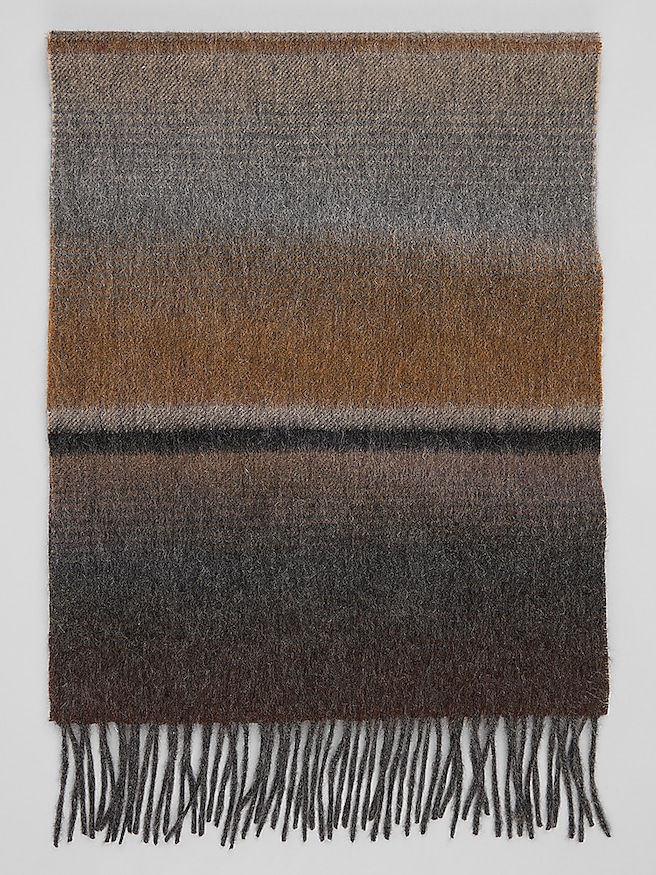
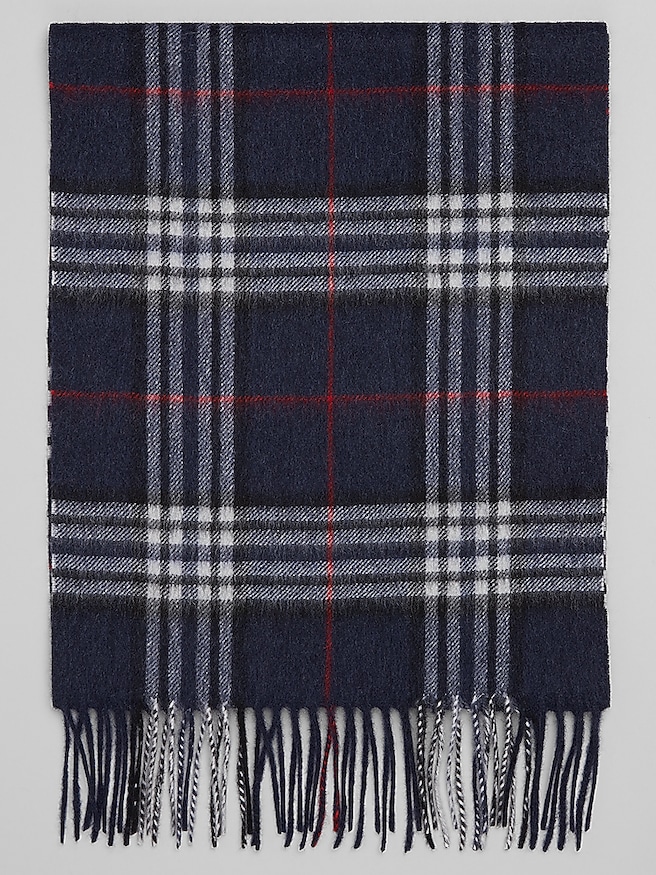
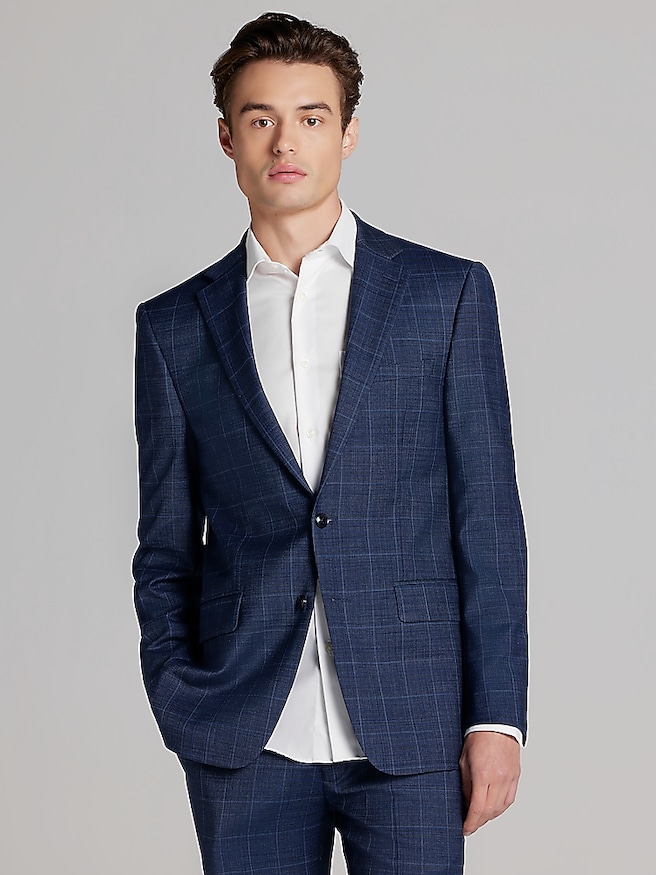
Plaid scarf gifts for men bring together a recognizable pattern, an easy finishing touch, and practical coverage for the neck. The intersecting lines and blocks of color can add interest to a solid overcoat, soften the formality of a tailored jacket, or give a simple sweater more personality. That versatility makes a plaid scarf a thoughtful gift for a father, brother, partner, friend, or colleague whose wardrobe ranges from dressed-up to relaxed. The most useful pattern often has something in common with the recipient’s existing clothes: a navy stripe that echoes a favorite jacket, a charcoal ground that works with black outerwear, or warm brown tones that complement leather boots. A restrained check with closely related shades tends to blend into a tailored wardrobe, while larger blocks and stronger contrasts create a more noticeable accent. Neither approach needs an elaborate outfit. A plaid scarf against a plain coat gives the pattern room to stand out without competing with other details. When a shirt or jacket already has a visible pattern, a scarf with a different check size and a shared color can make the combination feel intentional rather than crowded. Plaid also offers more flexibility than its strongest color might suggest. A burgundy-and-navy design, for example, can take its lead from either shade, while small cream or gray lines can connect it to lighter knitwear. Fringe adds movement and a relaxed finish; a clean edge creates a quieter outline. These details help distinguish a scarf meant for everyday commuting from one that feels especially suited to dinner plans or a dressier coat. As a gift, the appeal is personal without depending on an exact jacket or shirt size. A well-considered plaid can reflect the recipient’s taste while still being easy to work into familiar outfits, whether that means a wool overcoat and dress shoes or a casual jacket and denim.
Material shapes how a scarf feels, drapes, and performs just as much as the pattern does. Wool is valued for its insulating qualities and moisture management, making it useful for someone who spends time walking between destinations or waiting outdoors. The feel of wool varies with the fiber and construction, so softness against the neck matters, particularly when the scarf will sit above an open shirt collar. Fine wool can offer a smoother feel, while a more substantial weave may have a textured character that suits casual outerwear. Cashmere is known for a soft hand and warmth without a heavy feel, though its fine fibers benefit from gentle handling. Blended fabrics can balance softness, structure, and ease of care, depending on their composition. Acrylic and polyester may contribute to a lightweight feel or straightforward maintenance, but the care label remains the best reference for any individual scarf. Cotton has a familiar touch and can suit someone who prefers a lighter accessory, although it generally provides less insulation than a similarly substantial wool scarf. Construction deserves attention alongside fiber content. A brushed surface feels different from a smooth woven finish, and a lofty knit creates a different silhouette from a flat weave. Even edges, secure fringe, and an orderly weave are useful signs of careful finishing. Durability also depends on everyday habits: rough jacket fasteners, bag hardware, and repeated friction can catch fibers or encourage pilling. Giving a scarf time to air between wears and storing it clean and dry can help preserve its appearance. Some fabrics allow gentle washing, while others call for professional cleaning; following the stated directions helps protect the shape, texture, and colors. If washing is permitted, careful drying matters too, since heat or stretching can alter the fabric. For a recipient who favors uncomplicated clothing care, maintenance requirements are part of the gift’s practicality, not an afterthought.
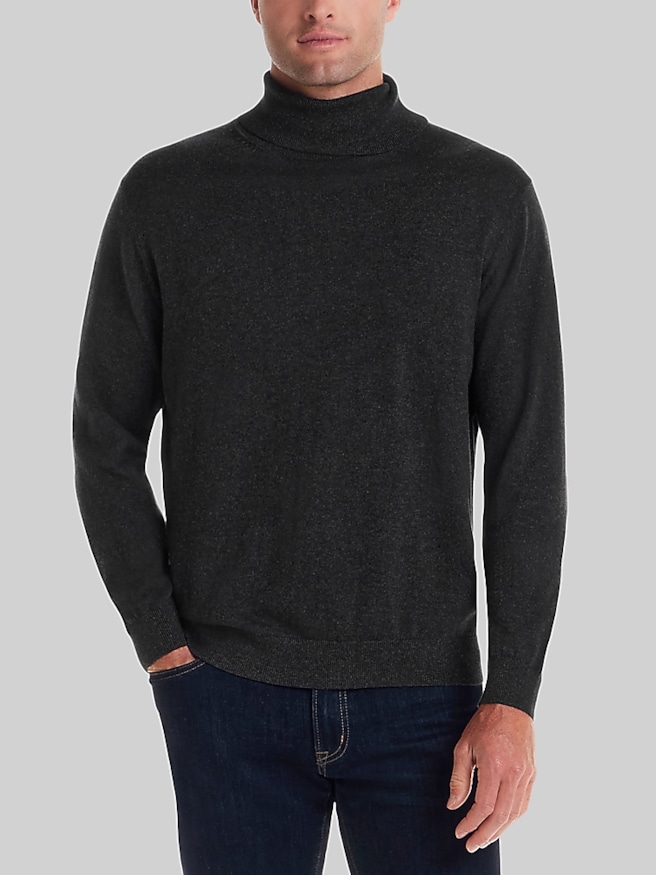
Length, width, and thickness influence how comfortably a plaid scarf fits into daily routines. A longer scarf leaves room for a loose wrap or a loop-through arrangement, while a shorter length can sit neatly beneath a coat without much fabric gathering at the chest. Extra width offers more coverage but may feel bulky under a close-fitting collar; a narrower profile is often easier to tuck inside tailored outerwear. The recipient’s height and preferred way of wearing a scarf matter more than a single universal measurement. Someone who likes long, visible ends may appreciate more length, while someone who keeps accessories contained may prefer less volume. The pattern changes with the fold, too: a broad plaid can look bold when spread out and more subdued when only a narrow section shows above a coat. For an office commute, a softly draped scarf tucked beneath lapels can add color without disrupting a clean silhouette. For a walk to a restaurant or time spent outdoors, a comfortable wrap can provide coverage while leaving enough room to move the head freely. A scarf should sit securely without feeling tight, and its thickness should work with the coat rather than forcing the collar outward. Gift pairings can follow the same uncomplicated approach. A solid sweater that picks up a secondary shade in the plaid creates a coordinated combination without requiring an exact match. For complementary knitwear ideas, explore Sweater Gifts for Men with the recipient’s preferred colors and neckline in mind. A birthday or anniversary gift can feel especially considered when the scarf suits the clothes he reaches for most often, rather than an imagined wardrobe. Familiar colors, a comfortable texture, manageable care, and proportions that suit his outerwear all contribute to a gift with lasting usefulness. The result is an accessory that can become part of an ordinary routine while still making an outfit feel more complete.