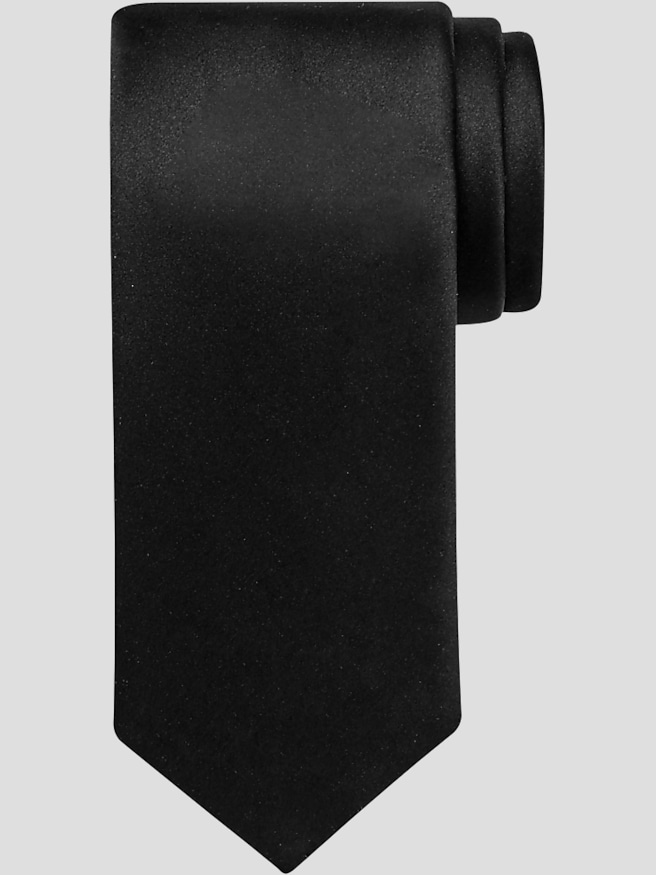
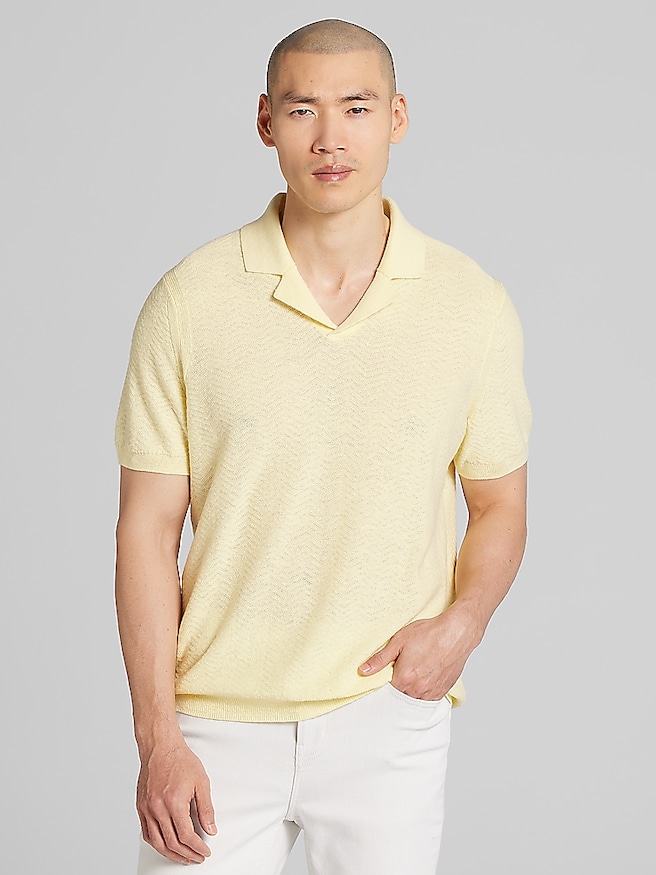
Cashmere and cashmere-blend gifts for men combine an inviting feel with the kind of understated style that fits easily into an established wardrobe. The appeal starts with the fiber: cashmere comes from the soft undercoat of cashmere goats, and its fine strands can produce fabric that feels gentle against the skin without needing a bulky construction. That softness makes it particularly appealing in clothing and accessories worn close to the neck or layered over a lightweight shirt. Pure cashmere emphasizes the qualities of that fiber, while cashmere blends bring together materials with distinct characteristics. Wool can contribute body and resilience, cotton can lend a more familiar, substantial feel, and synthetic fibers may help support shape or improve resistance to wear, depending on the construction. Neither a fiber percentage nor an especially plush surface tells the whole story. Yarn quality, knit density, finishing, and workmanship all influence how a piece feels and performs over time. A finer knit generally creates a smoother outline beneath a jacket, while a more textured knit gives a simple outfit greater depth. These differences leave room for gifts that reflect the recipient rather than a single definition of luxury. A father who favors tailored trousers may appreciate a clean, restrained look; a brother who lives in denim may get more use from a relaxed texture and an easy shape. For a partner, a familiar color or neckline can make the gift feel personal without requiring a dramatic change in style. Charcoal, navy, and medium gray tend to sit comfortably beside other wardrobe staples, while camel, burgundy, or muted green can add distinction without dominating an outfit. The most useful choice often echoes something the recipient already enjoys wearing, then adds a softer feel, a richer surface, or a more considered finish. That connection to everyday habits is what helps a thoughtful gift become part of a regular rotation.
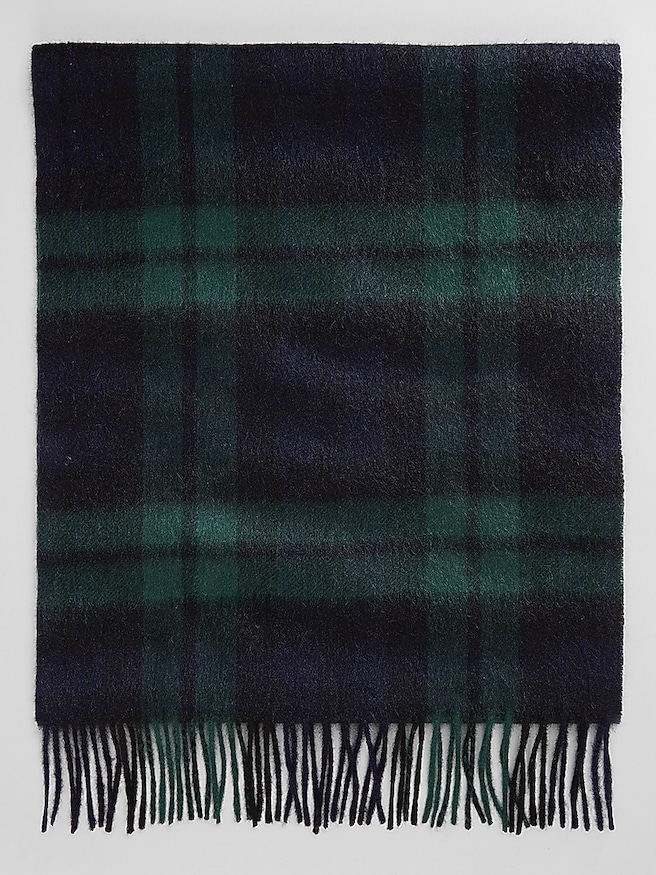
Fit has as much influence on the experience of cashmere as the material itself. A knit that sits comfortably across the shoulders and allows easy movement through the chest is more likely to be worn often than one chosen solely for its appearance on a hanger. For a classic set-in sleeve, the shoulder seam usually sits near the edge of the shoulder, while intentionally relaxed shapes may place it farther down the arm. The hem should work with the recipient’s preferred rise of trousers, and the sleeves should allow natural movement without pulling tightly at the wrist. Someone who wears a collared shirt underneath will need enough room for that layer, particularly through the upper arms and chest. A closer fit may suit a smooth layer beneath tailoring, but excessive tension can distort the knit and make the fabric look stretched. Neckline preferences matter, too: a simple rounded opening has a quiet, casual character, while a more open neckline can leave space for a shirt collar. Details such as ribbed cuffs and hems give the silhouette definition, though their firmness and recovery depend on the yarn and construction. Beyond fit, cashmere’s soft surface creates an appealing contrast with crisp shirting, structured jackets, smooth trousers, and the more rugged texture of denim. That range makes cashmere and cashmere-blend gifts appropriate for a birthday, an anniversary, a graduation, or a thank-you marking an important accomplishment. A recipient might wear the same understated knit to an office meeting, a dinner reservation, and a relaxed gathering with friends simply by changing the layers around it. Accessories offer another way to introduce softness without making the gift depend as closely on clothing size. For a complementary use of color and pattern, Plaid Scarf Gifts For Men adds another direction to consider, especially for someone whose wardrobe is built around solid colors and simple silhouettes.
Lasting enjoyment also depends on how comfortably a gift fits into the recipient’s care routine. Cashmere is a fine animal fiber, so thoughtful handling matters, and a blend should never be assumed to need less attention simply because it contains other materials. The care label is the best source for cleaning instructions, since dyes, trims, construction, and the full fiber composition can all affect the recommended method. Some pieces call for professional cleaning; others permit careful hand washing. Where hand washing is allowed, a suitable gentle detergent, minimal agitation, and water at the recommended temperature help avoid unnecessary stress on the fibers. Twisting or wringing can pull a knit out of shape. Instead, excess moisture can be pressed out gently with a clean towel before the garment is reshaped and dried flat, following its label. Hanging a damp knit can stretch the shoulders and lengthen the body, and folded storage is generally a better match for these soft structures. Everyday friction is another consideration. Contact beneath the arms, along the sides, or under a frequently carried bag can bring short fibers to the surface, creating small pills. Some pilling can occur with wear and does not, by itself, establish the quality of the entire garment. Careful removal with an appropriate cashmere comb or fabric tool, used according to its directions, can tidy the surface without aggressive brushing or pulling. Allowing a garment to rest between wears also gives the fibers time to recover from movement and helps limit repeated strain in the same areas. Clean, fully dry storage helps protect the fabric when it is not being worn. For gifting, these practical details belong alongside softness, color, and fit: a beautifully textured piece is most rewarding when its upkeep suits the person receiving it. Cashmere and cashmere blends offer a balance of tactile pleasure and everyday usefulness, with the best match shaped by individual taste, familiar routines, and the way a man likes his clothing to feel.