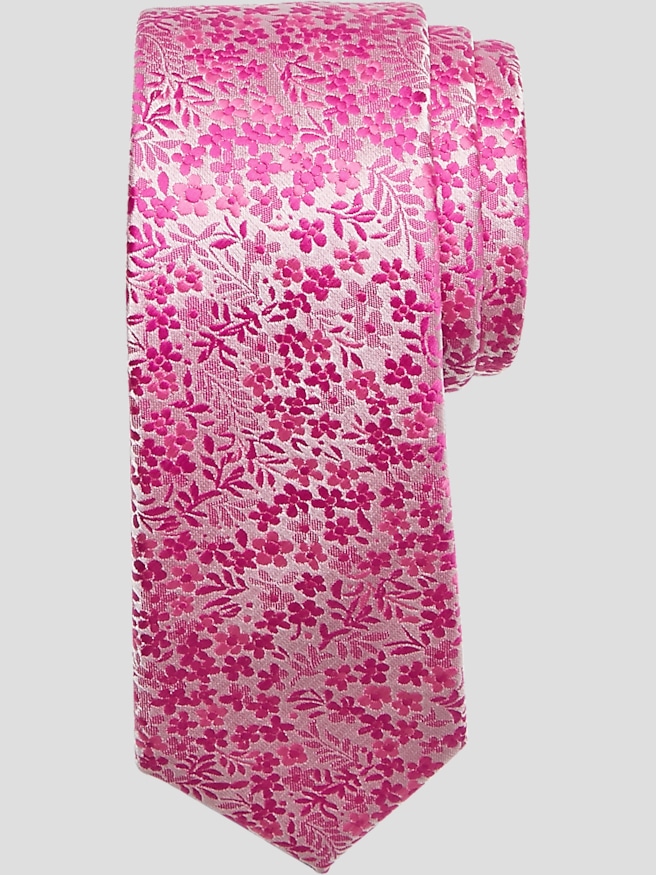
Silk gifts for men bring together everyday usefulness and a sense of occasion, from ties and pocket squares to scarves, robes, and sleepwear. Each serves a distinct purpose: a tie adds polish to a business outfit, a pocket square introduces color without changing the rest of a look, and silk sleepwear makes a familiar routine feel more considered. The appeal begins with the fabric itself. Silk is a natural protein fiber valued for its smooth surface, fluid drape, and ability to reflect light with subtle depth. That sheen can make a navy tie look richer against a white shirt or give an ivory pocket square definition against a dark jacket. Not all silk has the same appearance, however. A smooth satin weave creates a more noticeable luster, while silk twill has fine diagonal ribs and often a more restrained finish. Textured weaves can soften the formality of an accessory, making it easier to wear with a sport coat rather than a matching suit. Fabric composition matters, too: pure silk highlights the fiber’s characteristic feel and drape, while a silk blend takes on qualities from the other fibers in its construction. Neither description alone establishes quality; the weave, finishing, stitching, and suitability for the intended use all contribute to how a piece wears. These distinctions make silk especially appealing for gifts that reflect someone’s habits rather than simply marking an occasion. A frequent presenter may appreciate an accessory that sits neatly beneath a jacket, while someone who enjoys dressing for dinners may get more use from a pocket square with an expressive border. For a father, partner, brother, mentor, or close friend, the most personal choice often connects to something already recognizable in his wardrobe: a favorite color, a preference for understated patterns, or the care he takes when getting dressed. That connection gives a silk gift a place in his life beyond the moment it is unwrapped.
Fit and proportion help determine whether a silk gift becomes a regular favorite. For neckwear, the width of the tie should feel balanced with the shirt collar, jacket lapels, and the wearer’s overall build, rather than being chosen by a trend alone. Length matters as well, especially for someone taller or someone who favors a fuller knot; a properly tied necktie generally finishes around the waistband. Fabric thickness and internal construction influence the size of the knot and the way the blade hangs, so two silk ties of similar dimensions can look quite distinct when worn. Pocket squares offer more flexibility because they do not require a body measurement, but their size and fabric weight affect how securely they sit in the breast pocket. A neat straight fold creates a crisp edge for business settings, while a soft puff shows off silk’s movement and works well for dinners and celebrations. Color coordination is usually more natural when the tie and pocket square share an accent rather than repeat the exact same pattern. A burgundy detail in one can echo a small motif in the other, leaving the outfit coordinated without looking overly planned. Scarves call for attention to length, width, and edge finishing, particularly when the recipient prefers a loose drape or a compact knot. Silk robes and sleepwear require a closer look at sizing, with enough ease through the shoulders, chest, seat, and sleeves to allow comfortable movement. Woven silk generally has limited stretch unless another fiber is added, making the garment’s cut important. A familiar garment that already fits well can provide a useful reference for measurements. Across these categories, the intended setting should shape the choice: quiet patterns suit a restrained work wardrobe, while a more expressive print may feel right for someone who treats accessories as a signature. A gift that respects those preferences is easier to reach for repeatedly.
Silk’s lasting appeal also depends on construction and care. Smooth fabric should have an even appearance appropriate to its weave, and finished edges should look tidy rather than strained or puckered. On a tie, balanced construction helps the fabric hang cleanly; on a pocket square or scarf, secure hems help protect edges that receive frequent handling. Silk is strong for its fine weight, but it is not immune to abrasion, snags, perspiration, or prolonged exposure to sunlight. Rough jewelry, sharp fasteners, and crowded storage can leave marks on an otherwise beautiful surface. Care instructions deserve particular attention because dyes, linings, trims, and garment construction can change what treatment is appropriate. Some silk pieces require professional cleaning, while others permit gentle hand washing according to the label. Hot water, vigorous rubbing, and wringing can distort the fabric or affect its finish, and a stain is better handled promptly using the recommended method than scrubbed in haste. When pressing is permitted, the label’s guidance, a suitable low setting, and a pressing cloth can help protect the surface. Ties benefit from being untied after use instead of left in a tight knot, and silk accessories are best stored without sharp creases or pressure from heavy objects. These practical details are part of what makes a thoughtfully chosen gift rewarding over time: the fabric retains its character when its use and care suit its construction. For recipients who favor polished details, the same attention to proportion, texture, and personal taste connects silk accessories with Gifts For Elegant Men. A birthday, anniversary, graduation, or professional milestone can give that choice added meaning, but the strongest connection is often more specific than the occasion itself. A tie in a color he already wears confidently, a pocket square that complements his favorite jacket, or sleepwear cut for comfortable movement shows an understanding of his preferences. Silk brings the distinctive touch; thoughtful selection gives it a lasting role in his wardrobe.