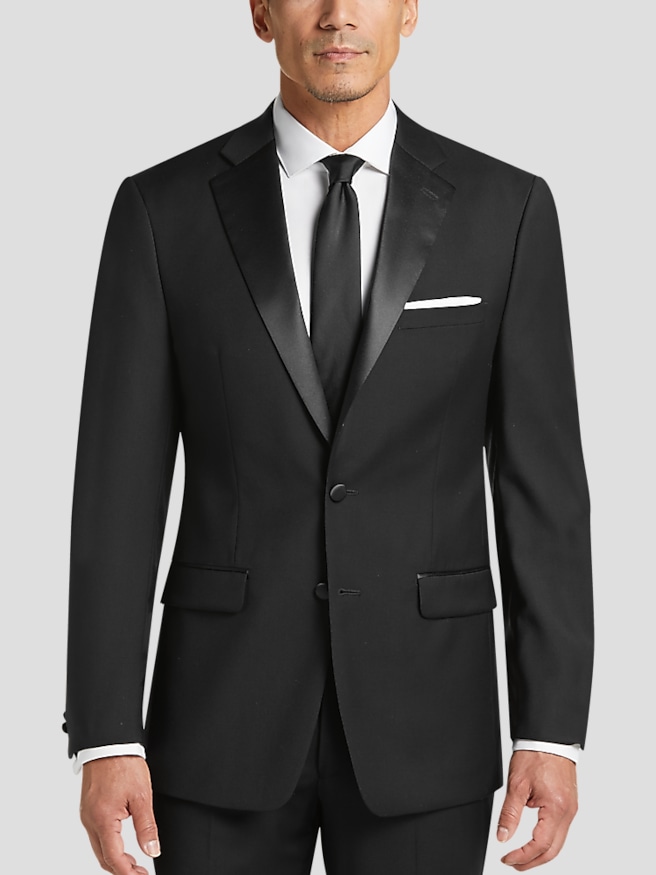
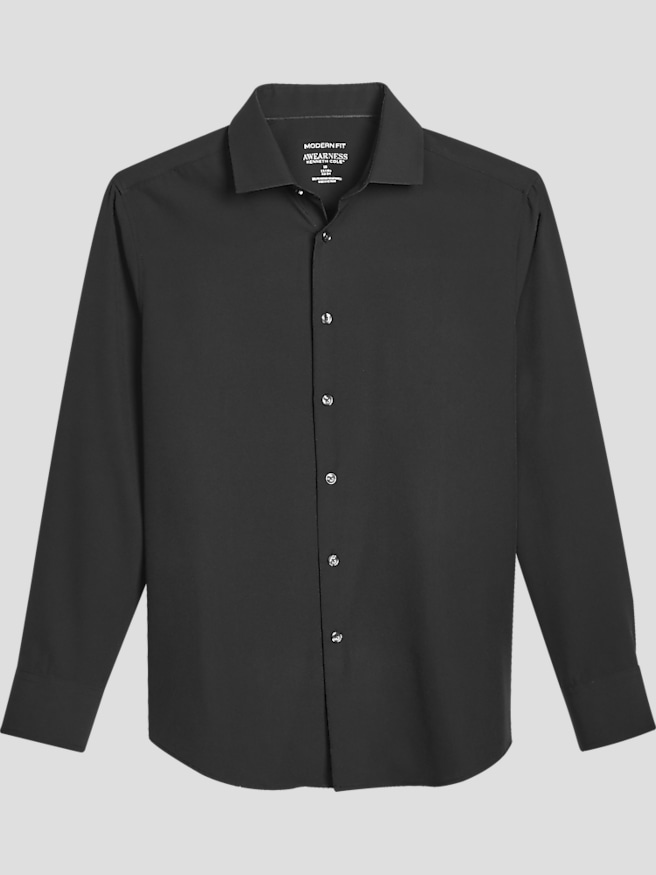
All-black men's outfits bring shirts, trousers, knitwear, tailoring, and footwear together in a single color while leaving plenty of room for individual style. The strongest combinations get their depth from texture, proportion, and subtle variations in finish: a matte cotton shirt looks distinct against smooth wool trousers, while a ribbed knit adds definition beneath a softly structured jacket. Black denim has a more casual character than pressed dress pants, and polished leather creates a sharper impression than canvas or suede. Those differences help an outfit feel complete without relying on a contrasting color. A consistent shade of black gives coordinated separates a clean, uninterrupted appearance; intentional differences in texture keep that effect from looking flat. Undertones matter, too, since some black fabrics lean slightly blue or brown when viewed together in daylight. For an office with a relaxed dress code, tailored black pants and a fine-gauge sweater can feel composed without the formality of a suit. For dinner or an evening performance, a black dress shirt and structured jacket offer a more defined silhouette. A simple T-shirt, dark denim, and understated sneakers take the same palette in an easygoing direction. Each combination has a distinct purpose, even though the color stays the same. Collars, lapels, pocket shapes, and visible stitching become more noticeable within a monochromatic outfit, making restrained details especially effective. A clean neckline can emphasize the shape of a jacket, while a subtle woven pattern gives a shirt interest at close range. Accessories also influence the result: a smooth leather belt and streamlined shoes reinforce a tailored look, while a textured belt or substantial boot gives casual clothing more weight. Black clothing can appeal to anyone building a compact wardrobe, refining a signature look, or seeking separates that can move between social settings. Its versatility comes from the range of fabrics and shapes within the palette, not from every black garment being interchangeable.
Fabric and fit determine how an all-black outfit feels through a full day of sitting, walking, commuting, or celebrating. Cotton jersey offers a soft, familiar feel for casual tops, while a tightly woven cotton shirt holds a crisper line beneath tailoring. Wool dress fabrics can drape smoothly and resist wrinkles, although their weight, weave, and care requirements vary. Knitwear introduces surface detail through fine ribs, compact stitches, or a more pronounced texture. Fabrics blended with stretch may provide additional ease, but comfortable movement still depends on the garment's cut. A close-fitting shirt should allow the arms to reach forward without pulling sharply across the back, and trousers should remain comfortable when seated rather than relying on stretch to compensate for a tight waist or thigh. Jacket shoulders should follow the natural shoulder line, with enough room through the body for the intended layer underneath. These practical details are especially visible in black, where the outline of the clothing carries much of the look. Slim silhouettes create a narrow, defined profile; straight and relaxed cuts give the fabric more room to fall. Neither requires every piece to have the same proportions. A neat knit top can balance fuller trousers, while a relaxed shirt can work with a cleaner, more tapered pant shape. Trouser length also changes the impression, from a minimal break over dress shoes to a slightly fuller fall over boots. Excess fabric bunching at the ankle can obscure an otherwise deliberate silhouette. Construction deserves attention alongside appearance: even stitching, secure buttons, smoothly operating closures, and finished seams contribute to clothing that stands up to repeated wear. High-friction areas such as pocket edges, cuffs, and inner thighs often show wear first. For frequently worn separates, a fabric with suitable substance and a cut that avoids constant strain can be more useful than an especially delicate finish. Comfortable, well-proportioned pieces make the monochromatic approach feel natural rather than restrictive.
Intended use helps distinguish everyday black clothing from attire suited to a more formal setting. An all-black casual outfit can include visible knit texture, washed denim, or substantial soles, while dressier combinations generally depend on smoother fabrics, precise hems, and footwear kept clean and polished. A black suit offers a coordinated foundation, but its appropriateness still depends on the occasion and stated dress code. Wedding celebrations require particular attention to the invitation, venue, and couple's preferences; an All-Black Wedding Outfit can take several forms, and an entirely black palette does not automatically meet black-tie requirements. Formality comes from the garments and details, not color alone. For other gatherings, subtle changes in a shirt's collar, a jacket's structure, or a shoe's finish can make familiar separates feel more polished without changing the overall palette. Keeping those pieces looking consistent takes some care, because fading, lint, and surface wear can interrupt the appearance of deep black. The care label should guide cleaning, drying, and pressing. For washable garments, turning them inside out and using an appropriate gentle cycle can help limit abrasion; excessive heat can affect color, shape, or stretch fibers. Tailored clothing may need professional cleaning, while knitwear often benefits from being folded rather than hung to prevent distortion. Structured jackets hold their shape better on supportive hangers, and a garment brush or suitable lint roller helps remove visible fibers before wear. Leather and suede footwear need care suited to their respective finishes. Rotating frequently worn clothing and shoes gives pieces time to air between uses and can reduce concentrated wear. Black knitwear, shirts, and accessories can also make thoughtful gifts when the recipient's size, fabric preferences, and daily routine are known. A soft sweater suits someone who favors comfortable separates, while a restrained accessory may complement an established tailored wardrobe. Across these uses, an all-black outfit feels most considered when fabric, fit, finish, and condition work together.