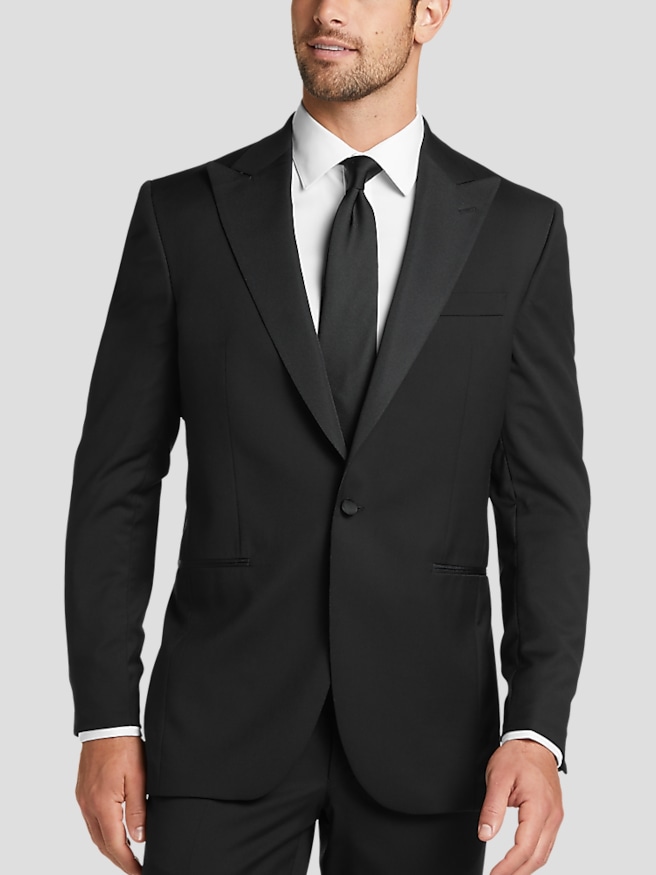
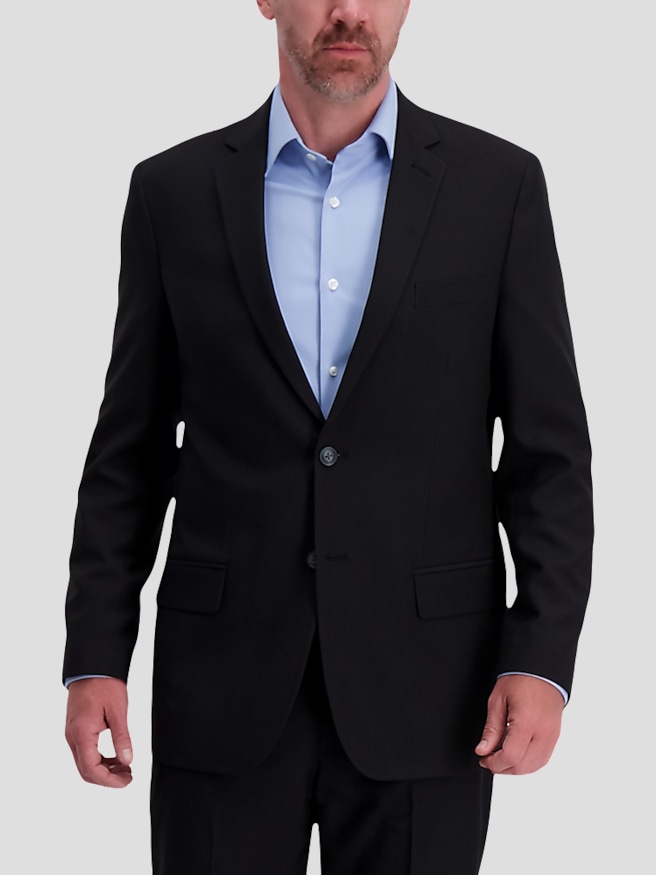
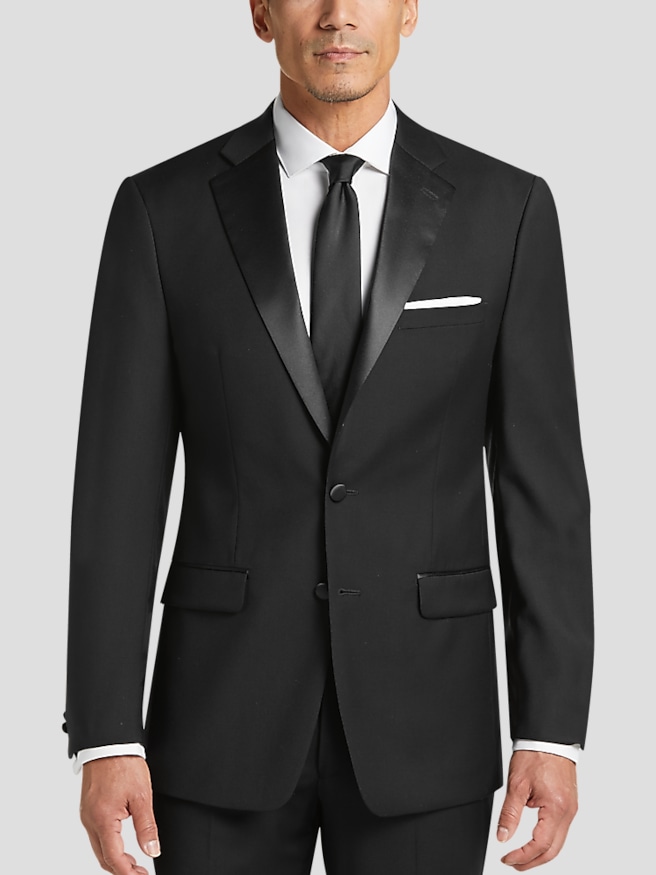
An all-black wedding outfit pairs black clothing and accessories for a coordinated, head-to-toe look. For men, that often means a black suit, black dress shirt, black tie, and black dress shoes, with the level of tailoring and finishing details shaped by the invitation. The effect can be understated or dramatic: a matte suit with a tonal tie reads quietly polished, while a tuxedo with satin lapels creates a more pronounced evening look. An all-black dress code is not the same as black tie. All-black specifies a color palette; black tie specifies a level of formality and traditionally includes a tuxedo with a white formal shirt. When both appear on an invitation, the couple’s stated preferences help clarify whether a black shirt is intended. That distinction matters for guests who want to honor the celebration without mistaking a dark color scheme for permission to dress casually. For a groom or members of the wedding party, matching the shade of black, lapel style, and overall silhouette can create cohesion in group photographs without requiring every accessory to be identical. Guests can usually keep the look simpler, allowing clean tailoring and well-maintained shoes to do most of the work. A two-piece suit has a straightforward profile, while a matching vest adds another layer of structure and keeps the outfit looking finished when the jacket comes off at the reception. Separates create a less uniform effect and are best suited to celebrations where the dress code allows that flexibility. The venue also provides useful context: a ballroom reception typically calls for a more formal finish than a relaxed restaurant gathering. Black attire is not customary at every wedding, so the invitation and the couple’s preferences remain more important than any general styling convention. Within those boundaries, a monochromatic outfit offers a clear visual identity without relying on bright color or a bold print.
With an all-black wedding look, fabric and fit carry much of the visual interest. Smooth worsted wool has a clean surface and a natural drape that works well for tailored clothing. Wool blends can offer a balance of structure, softness, and wrinkle resistance, although performance depends on the specific fiber mix and construction. Cotton shirting supplies a familiar, crisp foundation; a touch of stretch can make reaching across a dinner table or moving on the dance floor more comfortable. Stretch does not replace proper fit, however, and a shirt should close comfortably at the neck without pulling across the chest. A subtle twill weave, fine ribbed tie, or satin lapel can distinguish one black surface from another without interrupting the color scheme. Too many competing finishes can make the outfit feel busy, so a single noticeable texture is often enough. Black also varies more than it first appears. Some fabrics have a warmer cast, while others look cooler or slightly faded, and those differences can become obvious when a jacket and trousers sit next to each other. Matching suit pieces made from the same cloth give the most consistent result. At the shoulders, the jacket should follow the body without a ridge, hollow, or overhang. The collar should sit close to the shirt rather than leaving a visible gap, and the jacket front should lie smoothly when fastened. Trousers need enough room through the seat and thighs to sit comfortably through the ceremony and dinner, with a hem that meets the shoes neatly rather than collecting in folds. A slim silhouette should still permit movement; a roomier cut can look equally sharp when its proportions are intentional. For someone spending much of the day standing for photographs, greeting guests, and then sitting through a meal, comfortable tailoring is more useful than a fit that looks good only while standing still. Small alterations to sleeve length, trouser hems, or the waist can make the entire outfit appear more considered.
The finishing pieces keep an all-black wedding outfit coherent at close range. A black tie with a restrained woven texture creates separation against a smooth black shirt, while a black bow tie gives the neckline a more formal shape. With a tuxedo, coordinating the bow tie’s finish with the lapel facing helps the details feel connected. A black pocket square can add dimension through its fold rather than through contrast, though leaving the pocket empty is also a clean choice. Polished black leather lace-ups offer a dressy foundation, and sleek black loafers may suit less formal celebrations when the invitation permits them. Patent leather is a traditional evening option with a tuxedo. Shoes should feel secure without pinching, with enough room to remain comfortable through the reception. Black socks long enough to cover the calf prevent a strip of skin from showing when seated, and a black leather belt, when the trousers call for one, keeps the waistline consistent. For a strictly head-to-toe black request, dark accessory finishes avoid introducing an unintended flash of color. Keeping these pieces presentable makes a difference: dust, lint, and creases are especially noticeable against a dark surface. A clothing brush and lint roller help maintain a clean appearance, while a broad hanger supports a tailored jacket between wears. Follow each garment’s care label, have tailored pieces professionally cleaned when needed, and avoid pressing directly over decorative finishes. Shirts may need separate laundering instructions, particularly to preserve a deep black color. After the celebration, airing garments before storage and wiping down shoes helps prepare them for another occasion. Many of the same wardrobe foundations also suit evening receptions, anniversary dinners, and other dressy events; the All-Black Formal collection connects that tonal approach with broader formal dressing. For wedding attire, the strongest result remains specific to the occasion: the right degree of formality, a comfortable fit, and black fabrics that look intentional together from the ceremony through the final photograph.