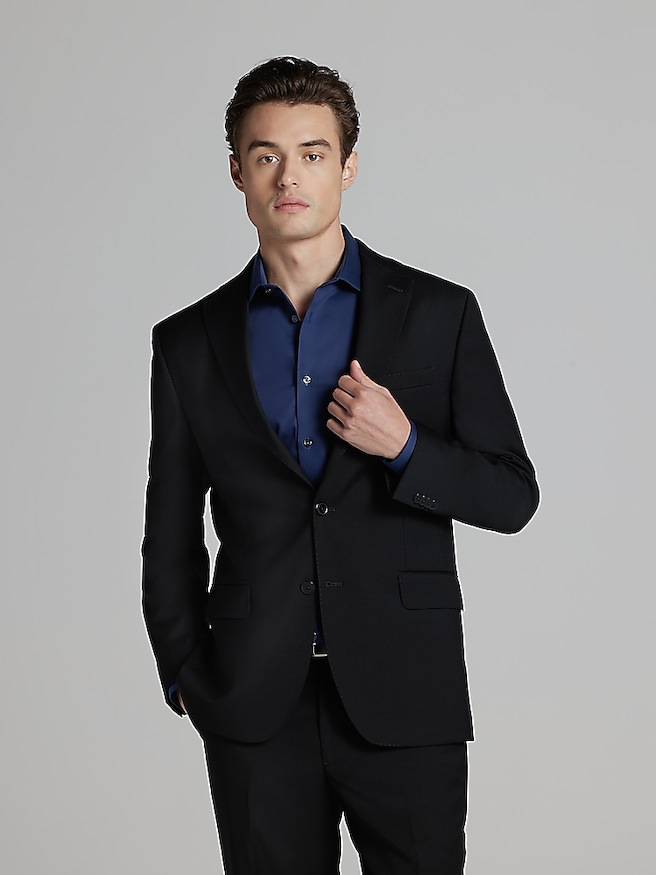
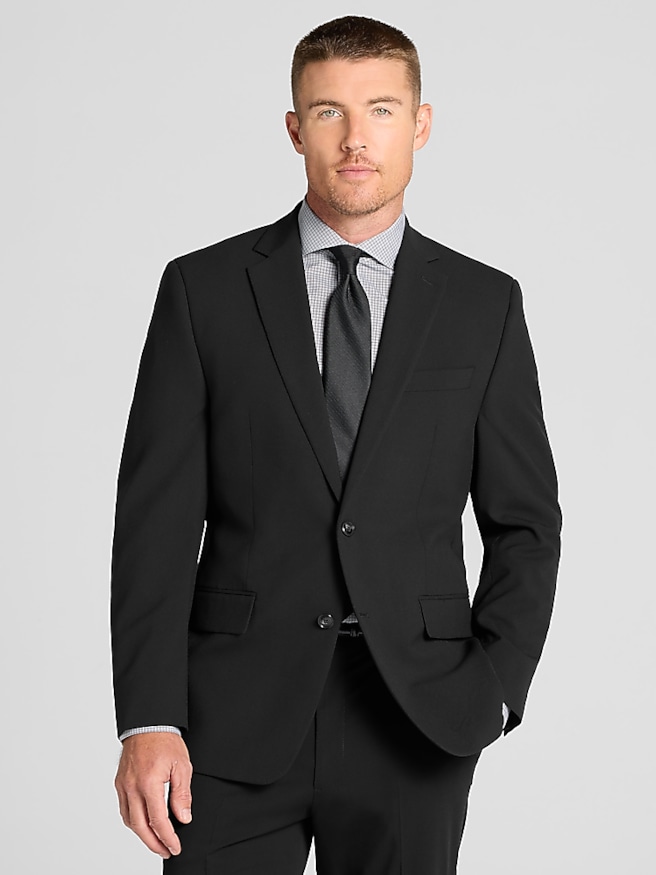
Modern business attire combines the clean lines of traditional tailoring with comfortable fabrics, versatile separates, and a less rigid approach to getting dressed for work. The result is professional clothing that feels appropriate at a conference table without looking overly formal at a team lunch. Rather than depending on a matching suit for every setting, a modern business wardrobe can bring together tailored trousers, softly structured jackets, dress shirts, and refined knitwear. The level of formality still matters: a client presentation at a conservative firm may call for a coordinated suit and tie, while an internal planning session might suit an open-collar shirt with a sport coat. Navy, charcoal, medium gray, and taupe create a useful foundation because they pair easily with white, light blue, and understated patterns. Texture adds interest without demanding attention, whether through a subtly woven jacket, a smooth cotton shirt, or a fine-gauge knit layered neatly beneath a blazer. Modern does not have to mean tight, cropped, or trend-driven. A straight trouser leg with a clean drape can look just as contemporary as a tapered silhouette, especially when the jacket and footwear share the same sense of proportion. For workplaces that allow a relaxed interpretation of business casual, polished loafers or simple leather sneakers can complement tailored separates; more formal environments generally favor dress shoes. The distinction is less about removing formality altogether than choosing it deliberately. Clothing should reflect both the workplace and the day's responsibilities, from greeting a new client to leading a video meeting or attending a professional networking event. A wardrobe built around compatible colors and balanced shapes makes those transitions easier, with enough consistency to feel put together and enough variety to avoid a uniform effect. For a complementary take on polished office dressing, Stylish Business Attire offers another perspective on clothing that balances professional presence with personal style. The strongest combinations look intentional without appearing labored, leaving room for a distinctive texture, a restrained pattern, or a favorite tie.
Fabric and construction shape how business clothing looks after several hours of actual wear, not just when it first goes on. Wool is valued in tailoring for its drape, resilience, and ability to release some wrinkles between wears, although performance varies with the weave and fabric weight. Cotton brings a familiar, breathable feel to shirts and trousers, with crisp poplin offering a smoother appearance and twill contributing a more visible diagonal texture. Fine-gauge merino knitwear can create a neat layer under a jacket without the bulk of a chunky knit. Blends containing stretch fibers may make sitting, walking, and reaching more comfortable, but stretch is not a substitute for the right size or cut. A fabric should recover its shape rather than remain stretched at the knees, elbows, or seat. Jacket construction also affects the overall impression. Softer shoulders and lighter internal structure can create a relaxed outline, while a more structured chest and shoulder provide definition for dressier settings. Neither approach is automatically better; the useful choice depends on body proportions, workplace expectations, and how the garment will be worn. Fit becomes especially noticeable during ordinary movements. A jacket collar should sit close to the shirt collar, the front should close without pronounced pulling, and sleeves should allow comfortable movement without excess fabric gathering at the wrists. Trousers should stay comfortably at the intended waist position and fall smoothly through the seat and thigh, with a hem that works with the chosen shoes. A slight break can read traditional and polished, while little or no break gives a cleaner, more streamlined finish. Shirts need enough room across the shoulders and chest to sit comfortably at a desk without gaps between buttons. For someone commuting, traveling for meetings, or moving between seated and standing work, these details matter more than a fit label alone. Balanced proportions, sound construction, and fabric that moves comfortably help clothing remain presentable through a full schedule.
Versatility is especially valuable when the same wardrobe needs to cover everyday office hours, interviews, business travel, and occasional formal presentations. A coordinated suit provides a clear expression of professionalism, while separate jackets and trousers allow more variation within a consistent color palette. When combining separates, a visible distinction in color or texture usually looks more deliberate than two fabrics that almost match. A navy jacket with gray trousers, for example, creates clear contrast; a textured sport coat with smooth trousers introduces depth without relying on a bold pattern. Accessories can adjust the tone of an outfit just as effectively. A restrained tie and polished lace-up shoes bring an open-collar office combination closer to a formal business setting, while a fine knit and loafers can soften the impression where the dress code permits. The practical side of a professional wardrobe includes maintenance, too. Care labels should determine whether a garment is washed, professionally cleaned, pressed, or steamed, since fiber blends, linings, and internal construction can require different treatment. Jackets benefit from supportive hangers, trousers from careful hanging along the crease when appropriate, and knitwear from folded storage that helps prevent stretching. Prompt attention to stains, gentle brushing where suitable, and time between wears can help preserve a garment's appearance. Rotating shoes and using shoe trees can also support shape and allow moisture to dissipate. Durability depends on more than fabric thickness: secure stitching, neatly finished seams, stable buttons, and appropriate reinforcement at stress points all contribute to reliable wear. For a graduate starting a first office role, a professional moving into a leadership position, or someone returning to an in-person workplace, versatile business clothing can support a meaningful change in routine. It can also make a thoughtful gift when sizing, personal preferences, and workplace expectations are known. The lasting appeal of modern business attire lies in that balance of usefulness and polish: clothing comfortable enough to work in, considered enough to represent the wearer well, and adaptable enough to remain relevant across different professional settings.