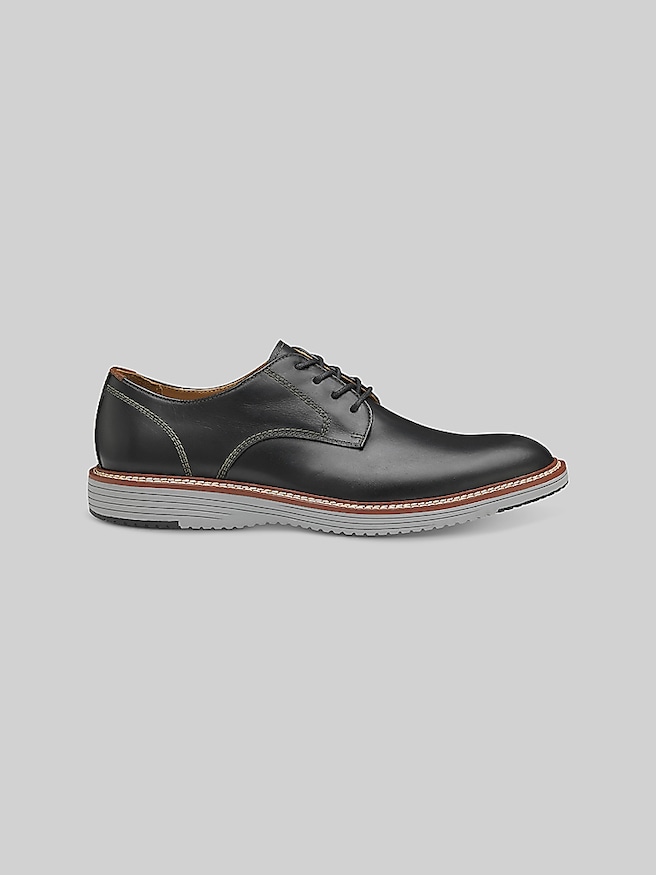
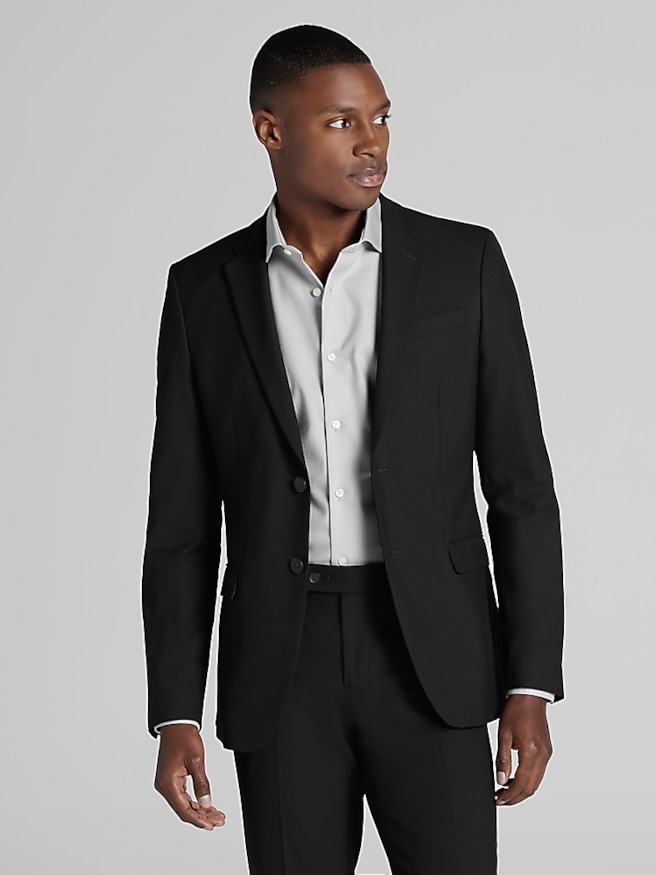
Black business attire is professional clothing built around black suits, jackets, trousers, and complementary pieces, with the level of formality shaped by the workplace and occasion. Its appeal comes from clean lines, a restrained color palette, and the ease of creating a coordinated appearance without elaborate patterns or bright accents. In a business-formal setting, a matching black suit with a crisp white dress shirt, a subtle tie, and polished black leather shoes creates a defined, traditional silhouette. That combination can suit an important client presentation, an executive meeting, or a professional event where tailored clothing is expected. Black is not the default for every office, however; some workplaces favor navy or gray suits, while others welcome more relaxed combinations. In a business-casual environment, black tailored trousers paired with a light blue shirt or a fine-gauge knit can feel appropriate without the structure of a full suit. A black blazer adds definition when meetings call for a more finished appearance. An all-black outfit takes a slightly different approach, relying on texture and proportion to keep individual layers distinct. A matte woven jacket over a smooth knit, for example, creates depth even when the colors are close. Black pieces are not always identical in tone: some have a warm cast, others appear cooler, and differences can become noticeable under office lighting. Matching suit components offer a consistent fabric and finish, while separates often look more intentional when their textures are visibly distinct. Traditional business tailoring also differs from evening formalwear. Satin lapels and other tuxedo details generally belong to a separate dress code rather than an everyday professional wardrobe. For work, understated buttons, quiet patterns, neat shirt collars, and simple accessories keep the emphasis on the person wearing the clothing. The result is a versatile foundation for men who want a composed appearance that supports the demands of their day rather than drawing attention away from the conversation.
Fabric and construction influence how black business clothing looks after hours of sitting, walking, and moving between appointments. Wool is a traditional tailoring material because it can drape cleanly and recover from ordinary creasing, though performance varies with the weave, weight, and construction. Wool blends may combine that tailored appearance with added resilience or stretch. Cotton brings a different feel to trousers and shirts, often with a more relaxed surface, while synthetic blends can contribute shape retention and ease of care when supported by the fabric’s overall design. A modest amount of stretch can make a noticeable difference when reaching across a conference table or climbing stairs, but comfortable movement also depends on the cut. Lining, seam placement, and the structure through the chest and shoulders affect whether a jacket feels easy or restrictive. Black fabric makes silhouette especially important: pulling across the button closure, bunching at the waistband, or excess material around the ankles can interrupt an otherwise clean look. A well-fitting jacket rests smoothly across the shoulders, with a collar that sits close to the shirt rather than lifting away at the neck. The sleeves leave enough room for natural movement, and the jacket maintains its shape when the wearer stands after a long meeting. Trousers should sit securely at the intended waist position, with room through the seat and thighs for sitting comfortably. Their length works in relation to the shoes, whether the preferred finish is a minimal break or a slightly fuller drape. Slim, modern, and classic fits describe different proportions, not levels of professionalism; the strongest choice is the one that balances the wearer’s build, comfort preferences, and office expectations. Shirt fit matters just as much beneath a jacket, particularly around the neck and across the upper back. Small tailoring adjustments can refine sleeve length, trouser hems, or the waist, although the garment’s construction determines what changes are practical. Durable workwear also benefits from secure stitching, stable pocket openings, and closures that function smoothly through repeated wear.
Black business attire earns its place in a wardrobe through repeat use, making thoughtful care as important as the initial fit. Dark cloth can reveal lint, dust, and surface wear, particularly across the shoulders, knees, and pocket edges. Gentle brushing with a suitable garment brush or careful use of a lint roller helps maintain a neat finish without unnecessary cleaning. Jackets benefit from supportive hangers that preserve the shoulder shape, while trousers need storage that avoids deep, accidental folds. Allowing garments to air between wears can help them stay fresh, and rotating frequently worn pieces gives fabric time to recover. The care label remains the best reference for washing, drying, pressing, or professional cleaning; black clothing can lose its depth when treated with unsuitable heat or cleaning methods. Matching suit pieces also benefit from coordinated care so that one component does not develop a noticeably different appearance over time. Overfilled pockets can strain seams and distort a jacket’s lines, while a structured bag keeps everyday essentials from weighing down the clothing. Clean, well-maintained shoes and a simple belt reinforce the same attention to detail. Beyond an all-black look, Stylish Business Attire can include light shirts, muted ties, and subtle patterns that give dark tailoring a different character from one workday to the next. A white shirt creates crisp contrast for a presentation, while a pale blue shirt softens the effect for routine office hours. These combinations can serve professionals establishing a first work wardrobe, experienced managers maintaining a consistent appearance, and people whose schedules move from desk work to client-facing appointments. For someone marking a graduation, a new role, or a career milestone, professional clothing can also make a useful gift when fit and personal preferences are understood. Accessories offer another option when exact garment measurements are uncertain. Across these uses, black business clothing works best when its formality, fabric, and proportions reflect the setting, giving the wearer a dependable, polished foundation without unnecessary complexity.