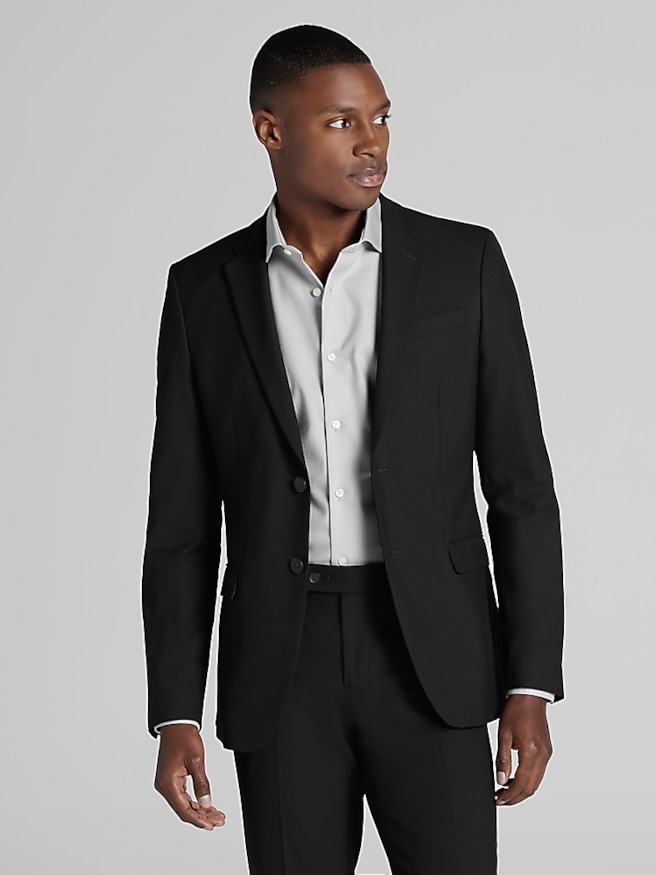
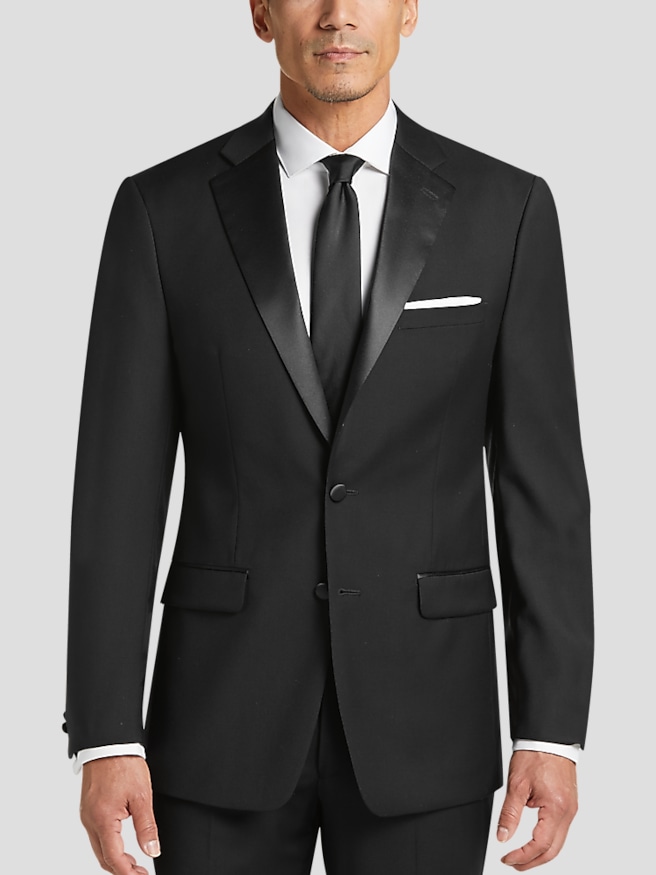
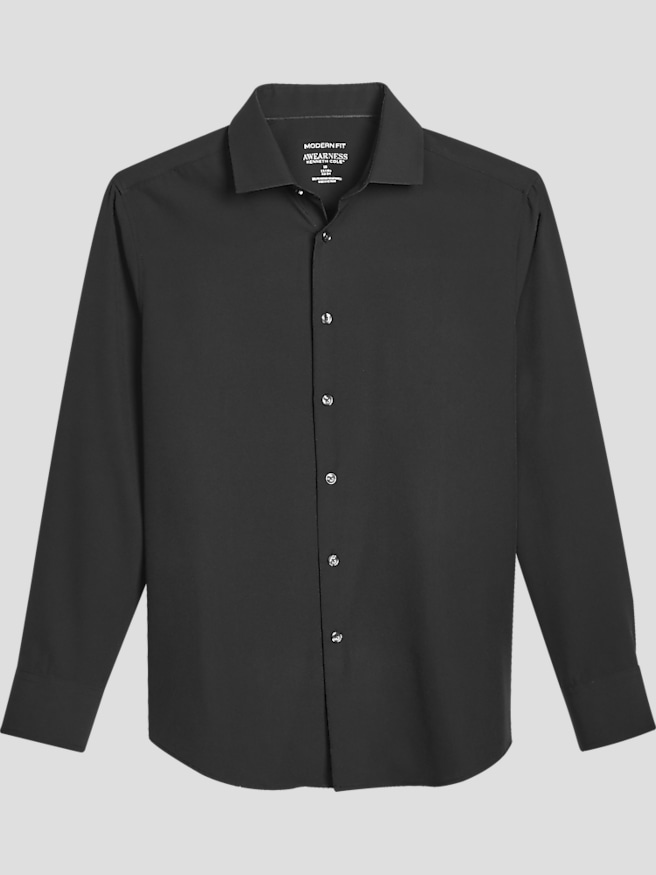
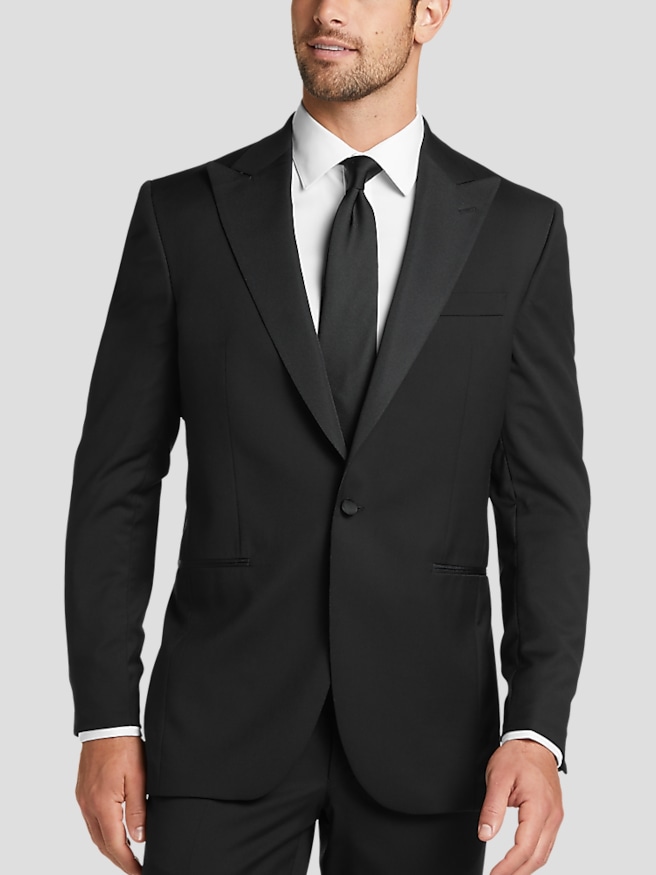
An all-black date night outfit for men creates a sharp, minimalist look through coordinated black clothing, a tailored fit, and contrast between textures. The appeal is straightforward: a single-color outfit feels intentional without needing a bold print or an elaborate combination of accessories. Black also provides a consistent foundation across casual and dressier settings, from dinner at a neighborhood restaurant to cocktails before a performance. What gives the outfit character is the relationship between its pieces. A softly textured knit against smooth trousers has a quieter effect than a crisp woven shirt beneath a structured jacket, even though both combinations share the same color. Matte fabrics can ground the look, while a subtle sheen on footwear adds definition. An entirely flat finish can make the pieces blend together; small changes in texture help the collar, jacket opening, and trouser shape remain visible. For a relaxed dinner, an open collar and clean, uncomplicated layers can feel comfortable without appearing unfinished. A restaurant with a more formal atmosphere may call for sharper tailoring, a polished shoe, and a shirt that holds its shape throughout the evening. Neither approach needs a tie to look considered, although the venue’s dress expectations still matter. Black alone does not make an outfit formal; construction, fabric, and styling establish that impression. A softly draped shirt communicates something distinct from a structured suit, and casual footwear changes the mood of even neatly tailored trousers. The most natural-looking combinations reflect both the occasion and the wearer’s usual style. Someone who typically favors understated clothing may appreciate simple proportions and minimal hardware, while someone drawn to a stronger silhouette may prefer a defined shoulder or a wider trouser leg. Across those preferences, an all-black palette keeps the focus on shape, texture, and the person wearing it rather than on competing colors.
Fit gives black clothing its definition, particularly in an outfit where color is not separating the layers. A jacket shoulder that sits cleanly, a collar that lies flat, and trousers that fall smoothly create a composed outline without requiring a close fit everywhere. Tailored does not have to mean tight. Fabric pulling across the chest, a waistband that digs in while seated, or sleeves that restrict movement can make dinner uncomfortable long before the evening ends. Enough room to reach across a table, sit through a performance, and walk comfortably between venues is part of a good fit. Proportion matters as much as size: a fuller trouser can work with a more streamlined upper half, while a relaxed shirt benefits from a hem length that looks deliberate rather than oversized by accident. Trouser length also affects how the outfit reads, since excessive fabric collecting above the shoe can interrupt an otherwise clean line. Materials bring another layer of distinction. Cotton shirting can offer a crisp surface and defined collar, while cotton knits generally create a softer, more casual impression. Wool tailoring can provide drape and resilience, with the exact feel depending on the weave and fabric weight. Fine-gauge knitwear adds visible texture without necessarily adding much bulk beneath a jacket. Stretch blends may offer useful flexibility, but stretch cannot compensate for a cut that is too small or poorly proportioned. Smooth linings and neatly finished seams can also improve comfort when several pieces are worn together. Black fabrics do not always match precisely: some appear warmer, others cooler, and washed finishes can look noticeably softer beside a deep, saturated black. Viewing the pieces together in daylight helps reveal those distinctions. Close tonal coordination produces a more uniform effect, while a deliberate mix of matte, ribbed, and lightly lustrous surfaces gives an all-black outfit depth without introducing another color.
The finishing details help an all-black date night outfit feel complete rather than simply dark. Footwear establishes much of the tone: sleek leather shapes generally look dressier, while clean, low-profile casual styles create an easier impression. Condition matters in either case, because dust, scuffs, and worn edges can stand out against an otherwise coordinated outfit. A black belt with understated hardware can maintain continuity where a belt is needed, and dark socks prevent an unintended break between trousers and shoes when seated. Jewelry and watch details can remain restrained, allowing texture and silhouette to carry the look. A practical pocket arrangement matters, too; an overfilled wallet or bulky phone can distort the line of well-fitting trousers. Beyond the evening itself, care influences how long black clothing keeps its polished appearance. The care label is the starting point, since a washable cotton layer and a structured wool jacket may need entirely separate treatment. Excessive heat, unnecessary washing, and unsuitable cleaning methods can affect color or shape, depending on the material. Prompt attention to marks, appropriate drying, and storage that supports the garment’s construction help preserve the finish. A lint brush can remove visible surface fibers before heading out, while shoes benefit from care suited to their material. These habits support repeat wear for dinners, anniversary celebrations, theater dates, and other occasions where understated polish feels appropriate. For gifting, versatile black clothing can suit someone who already enjoys a monochromatic wardrobe, especially when their preferred size, fit, and fabric feel are known. More structured pieces usually require closer attention to measurements and personal taste. Related occasion dressing can follow the same principles of texture and proportion; an All-Black Wedding Outfit applies that coordinated palette to a celebration where the invitation’s dress code takes priority. For date night, the strongest result is clothing that suits the setting, moves comfortably, and looks like a considered expression of the wearer’s own style.