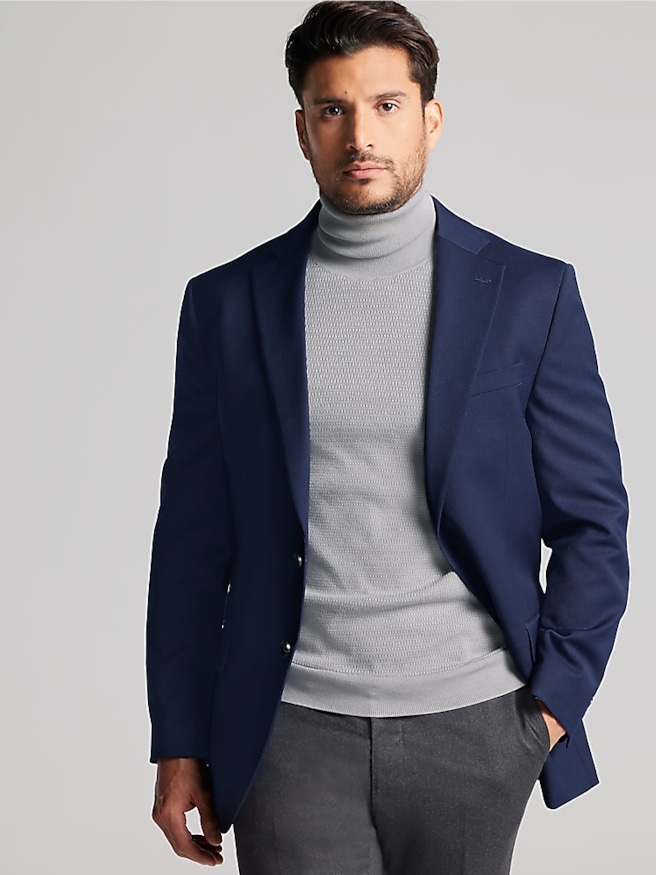
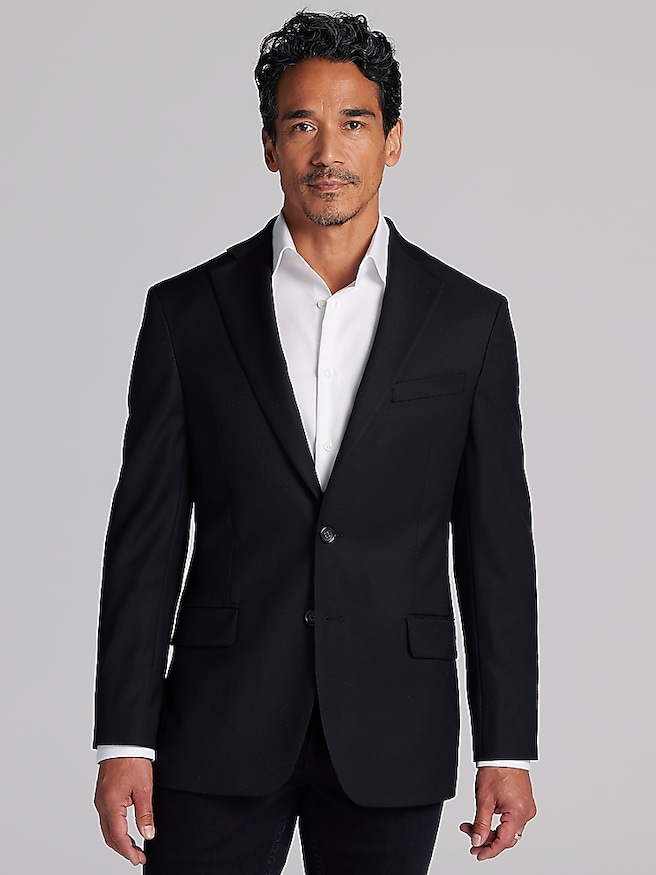
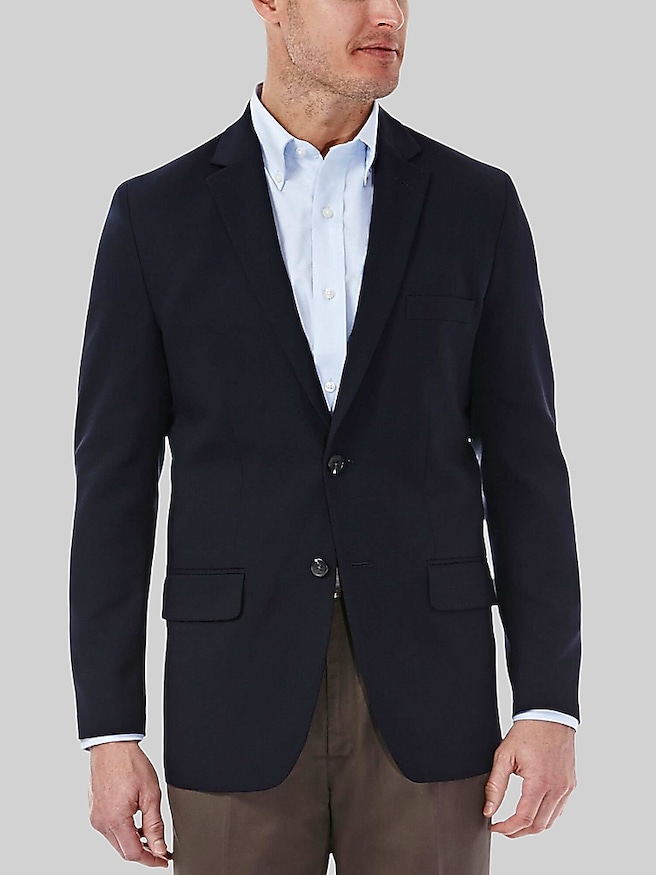
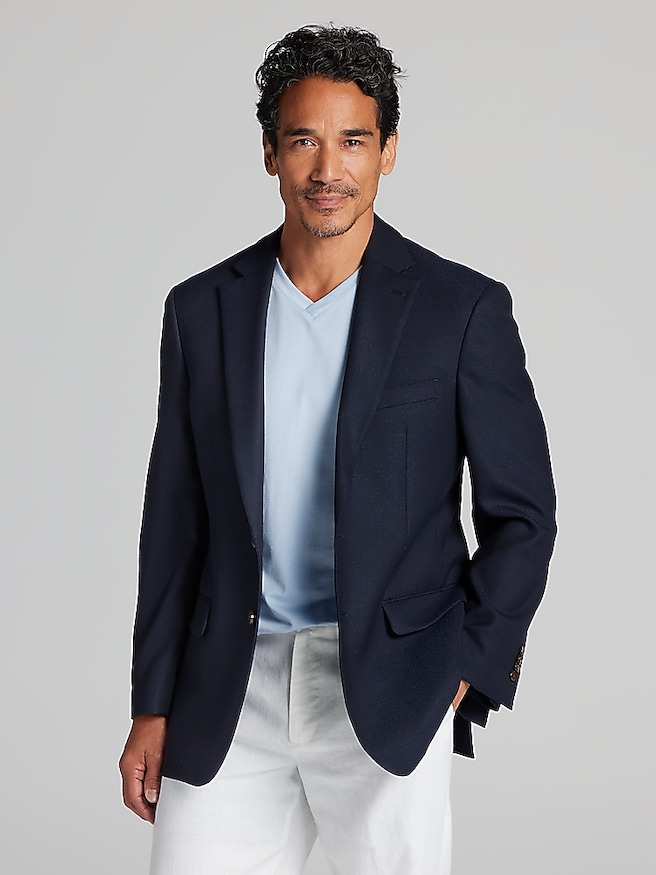
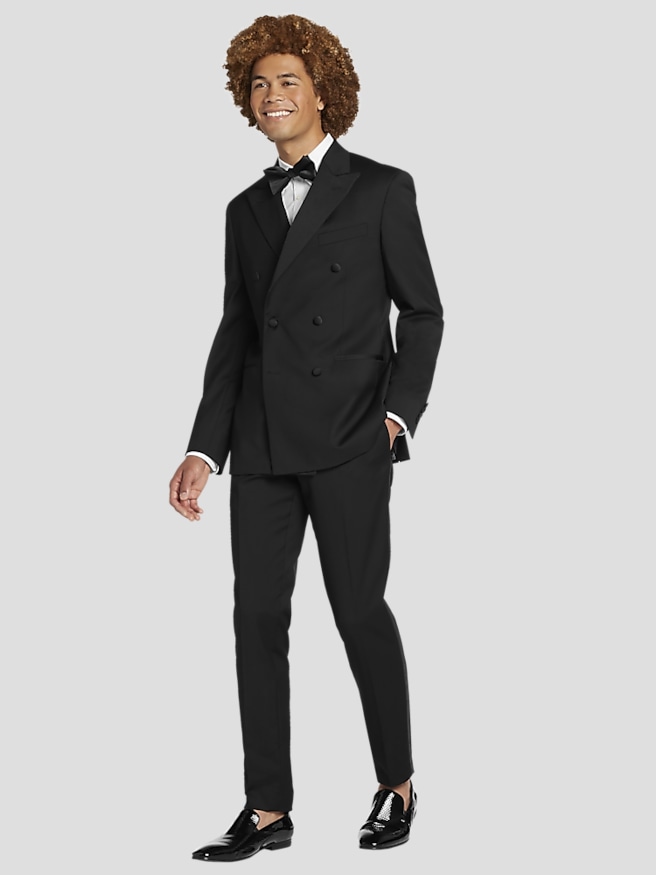
Gala dinner attire sets a polished tone from the moment guests arrive, whether the evening takes place in a grand ballroom, an elegant hotel, a museum, or an intimate dining room illuminated by candlelight. The invitation’s dress code is the best place to begin. A black-tie gala generally calls for a tuxedo, a formal shirt, a bow tie, and refined dress shoes, creating the classic evening look associated with sophisticated celebrations and charitable events. A dark, well-tailored suit is often appropriate for black-tie optional or formal attire, especially when paired with a crisp dress shirt, a conservative tie, and sleek leather footwear. Navy, charcoal, and black are dependable choices because they look composed under warm indoor lighting and transition easily from late-summer celebrations to formal dinners during the cooler months. White tie is more ceremonial and traditionally requires a tailcoat, formal trousers, a white waistcoat, and a white bow tie, while creative formal attire allows a little more personality through texture, color, or distinctive accessories without losing the elevated spirit of the occasion. When an invitation uses less familiar wording, the safest approach is to dress slightly more formally rather than risk appearing underdressed. For events described as semi-formal, a dark suit and tie can provide the right balance of refinement and ease; explore Semi-Formal Attire For Dinner for additional options suited to that dress code.
The most convincing formal looks are built around fit before embellishment. A jacket should rest smoothly across the shoulders, close comfortably without pulling at the buttons, and finish at a length that keeps the proportions balanced. Sleeves should reveal a small, intentional edge of shirt cuff, while trousers should fall cleanly over the shoe with minimal bunching. These details can make even a simple dark suit feel considered and distinctive. Fabric also shapes the impression: smooth wool and refined blends offer year-round versatility, while subtle sheen, fine texture, or a velvet accent can add depth to evening attire. Choose a shirt with a collar that complements the lapel and leaves enough room for comfortable movement, particularly when dinner, dancing, or extended conversation is part of the evening. A tie or bow tie should sit neatly at the collar, and accessories are most effective when they support the outfit rather than compete with it. A pocket square, understated cuff links, or a tasteful watch can provide a personal touch; selecting one focal detail is often more elegant than stacking several statement pieces. Formal shoes should be clean, polished, and broken in before the event. It is difficult to enjoy a late-night gala when stiff footwear distracts from every step, so comfort deserves the same attention as appearance. As the weather warms, lightweight layers and breathable fabrics can make travel and outdoor arrivals more comfortable, while during cooler months a tailored overcoat or dressier top layer keeps the look intact between the car, venue, and reception.
Gala attire can also be a thoughtful gift for someone entering a new professional chapter, attending a wedding, celebrating a milestone, or building a wardrobe for recurring formal events. A versatile dark suit is especially useful for a graduate, first-time gala guest, or professional whose calendar includes dinners, fundraisers, awards ceremonies, and evening receptions. For someone who already owns formal clothing, accessories can refresh familiar pieces and make them feel new without requiring a complete wardrobe change. Consider the recipient’s lifestyle, preferred colors, sizing, and the types of invitations they are likely to receive; a classic choice is easier to wear repeatedly than something tied to one highly specific occasion. Proper care helps formalwear maintain its shape and finish. Hang jackets on broad, supportive hangers, allow garments to air after extended wear, and follow the cleaning instructions for the fabric. Before leaving home, check the small details that create a finished appearance: the shirt should be pressed, the tie centered, the shoes polished, and pockets kept light enough to preserve a smooth silhouette. These preparations leave more attention for the experience itself—the glow of a reception hall, the quiet pause before dinner is served, and the confidence that comes from feeling appropriately dressed for an important evening.