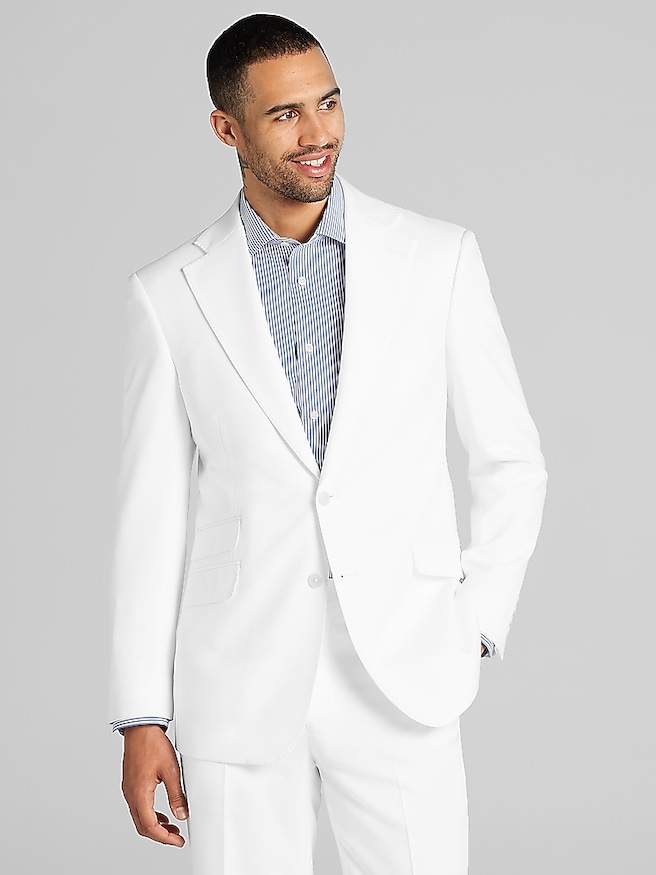
Corporate dinner attire brings together the structure of business clothing and the refinement of evening dress. For men, that often means a well-fitted suit or a tailored sport coat with dress trousers, a crisp dress shirt, and polished leather shoes. The right combination depends on the invitation, the venue, and the relationship between the people at the table. A client dinner in a private dining room generally calls for a more coordinated appearance than a relaxed team celebration at a neighborhood restaurant. Dark navy and charcoal suits create a composed foundation for either setting, while restrained patterns and subtle fabric textures add interest without becoming the focus of the conversation. A white or pale blue shirt keeps the overall impression clear and professional; a muted tie can bring in color while maintaining the formality expected at a leadership dinner or an industry awards event. For a business-casual invitation, a textured jacket and smooth dress trousers can feel appropriately dressed without the uniformity of a matching suit. An open collar works best when the shirt sits neatly beneath the jacket and the neckline retains its shape. Corporate dinner clothing should look considered across the whole evening, from introductions near the entrance to a seated presentation and conversations after dessert. That makes proportion, comfort, and understated finishing details more important than dramatic styling. A pocket square with a simple fold, a leather belt coordinated with the shoes, and socks that complement the trousers give the outfit continuity. Black-tie invitations belong to a separate level of formality and typically call for a tuxedo rather than an ordinary business suit. For events that blend professional connections with a more social atmosphere, Dinner Party Attire offers a related perspective on clothing for an evening around the table. Across these occasions, the strongest impression comes from clothing that respects the setting and allows the wearer to participate comfortably, without fussing with a collar or adjusting a jacket throughout the meal.
Fabric and construction influence how corporate dinner attire looks and feels over several hours of wear. Wool suiting is valued for its drape, breathability, and resilience, making it a practical choice for dinners that follow a full workday. A fine worsted wool has a smooth surface that complements crisp shirting, while a subtly textured weave gives a jacket more visual depth. Wool blends can offer a balance of softness, structure, and durability, although performance varies with the fiber mix and construction. Fabrics with a small amount of stretch may make sitting and reaching more comfortable, but stretch cannot compensate for a garment that is too tight. Cotton dress shirts provide a familiar, breathable foundation; poplin generally looks smooth and clean, while twill brings a slight diagonal texture and often a softer drape. Easy-care finishes can simplify upkeep, though laundering and pressing should always follow the garment label. Fit becomes especially noticeable at a dinner table, where shoulders, collars, and shirt fronts remain in view. Jacket shoulders should follow the natural shoulder line, and the lapels should lie flat rather than pull outward when the jacket is buttoned. A collar that rests against the neck without a visible gap helps the entire outfit look more precise. Shirt cuffs should extend slightly beyond the jacket sleeves, with enough room at the wrist for easy movement. Trousers need a comfortable rise and sufficient room through the seat and thighs for a long meal; pockets that flare or fabric that pulls across the lap can indicate a fit issue. Slim, tailored, and classic silhouettes can all look professional when their proportions suit the wearer. A clean trouser hem keeps fabric from pooling over the shoes, while a modest break offers a traditional finish. For someone moving from an office presentation to a hosted dinner, these details help clothing maintain a consistent appearance without requiring a complete change of outfit.
The most useful corporate dinner clothing also works beyond a single invitation. A restrained suit can serve at professional receptions, recognition ceremonies, and milestone celebrations, while a versatile sport coat can accompany dress trousers for networking dinners and less formal business gatherings. Separates are most convincing when the contrast appears intentional: a navy jacket with gray trousers, for example, looks more cohesive than two nearly matching dark fabrics that differ slightly in color or texture. Accessories can adjust the mood without changing that foundation. A silk tie with a small repeating pattern gives a plain suit dimension, and a knit tie introduces texture when the invitation allows a less formal approach. Leather lace-up shoes provide a traditional finish, while streamlined loafers can complement tailored separates at more relaxed events. Comfort matters here as much as appearance, especially when the evening includes a standing reception before the meal. Shoes should hold the heel securely and leave the toes comfortable rather than compressed. Durable construction, secure buttons, neatly finished seams, and a lining that moves easily over a shirt all contribute to clothing that stands up to repeated use. Care helps preserve those qualities: jackets benefit from supportive hangers, trousers keep their shape when hung neatly, and garments should be allowed to air out after wear before being put away. Dry cleaning should follow the care label and the garment’s condition, rather than becoming an automatic step after every dinner. Prompt attention to spills, gentle brushing when appropriate for the fabric, and suitable pressing can help protect the finish. Leather footwear also benefits from cleaning and conditioning suited to its material. For a recent graduate attending a first company dinner, an experienced manager hosting clients, or a speaker joining colleagues after a presentation, dependable fit and adaptable styling make getting dressed more straightforward. Ties, pocket squares, and other accessories can also make thoughtful gifts for someone building a professional wardrobe, particularly when chosen around colors and patterns already worn. Together, these pieces support an appearance that feels professional at the first handshake and remains comfortable through the final conversation.