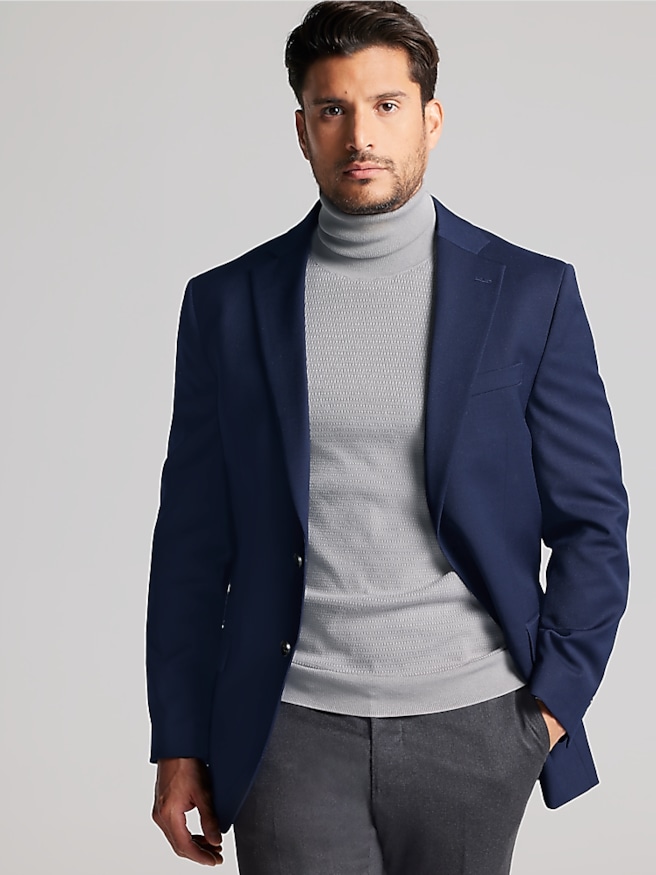
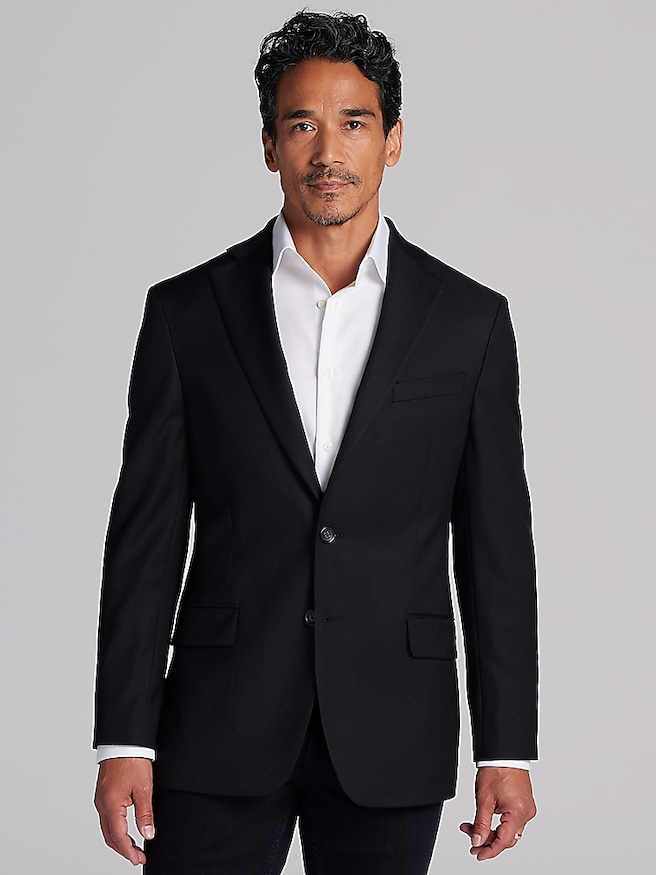
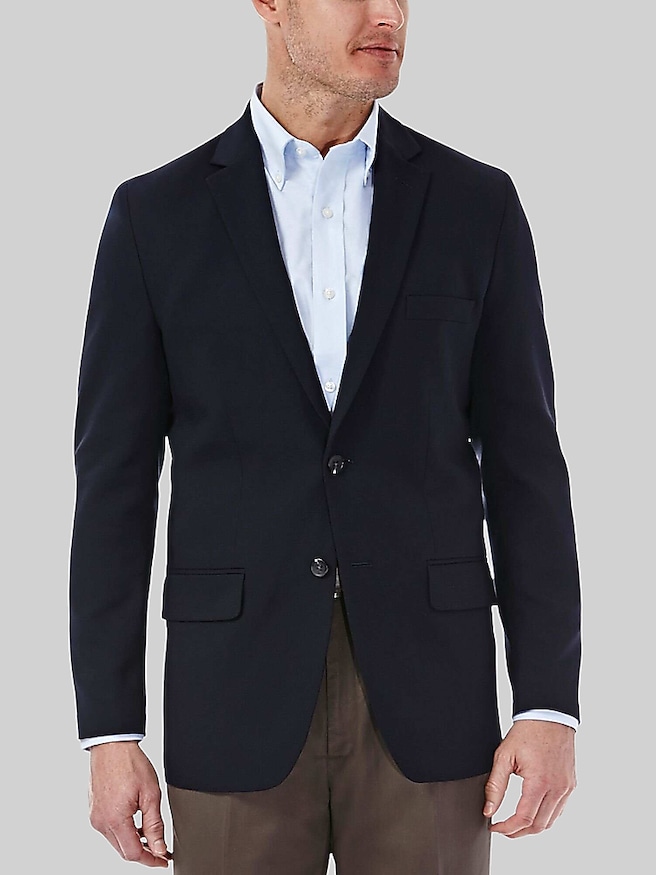
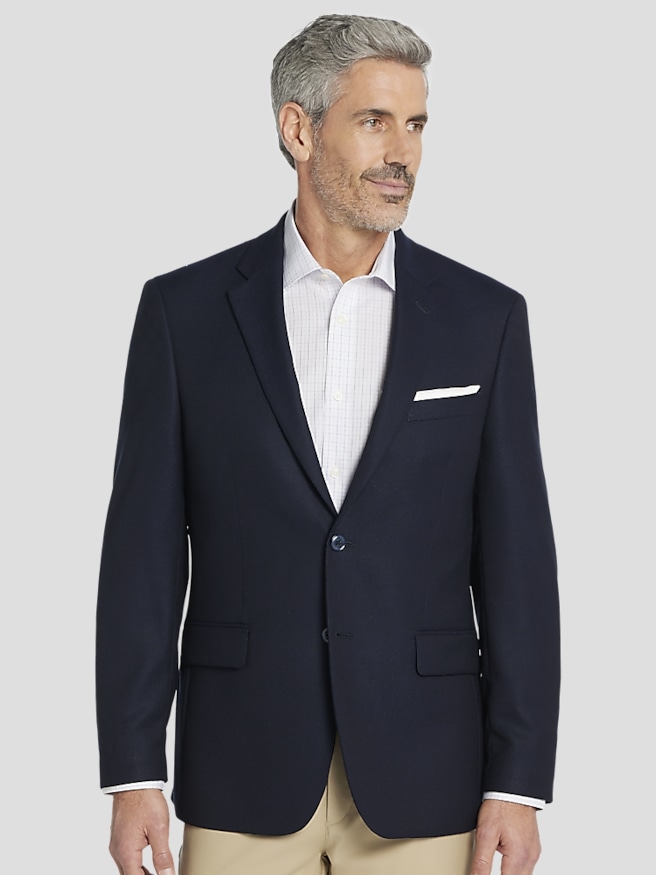
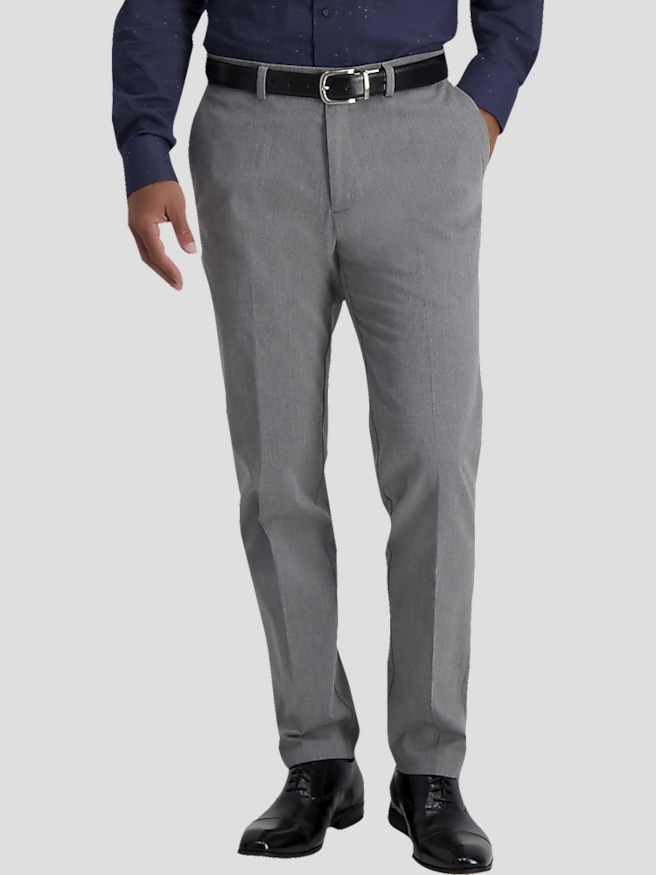
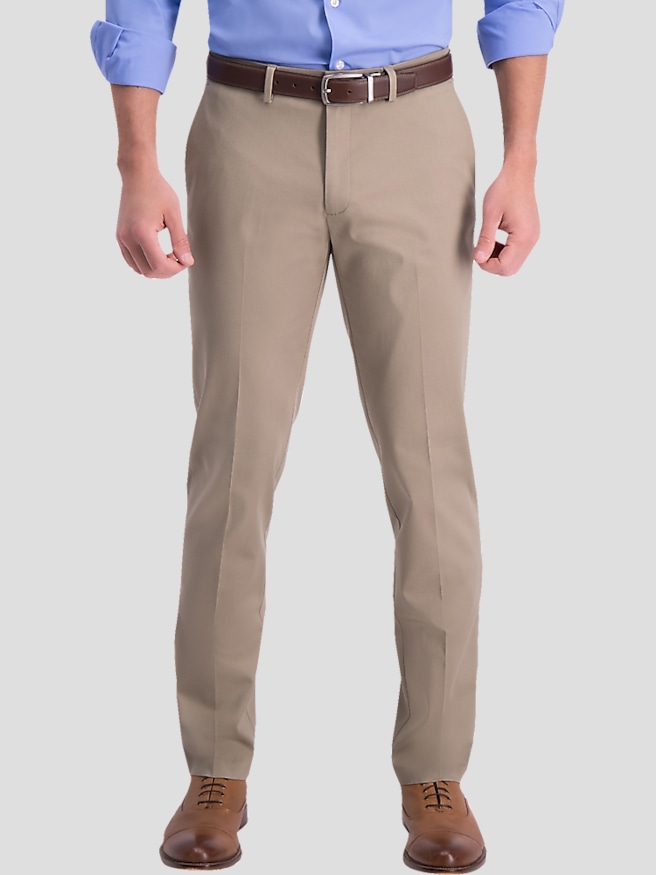
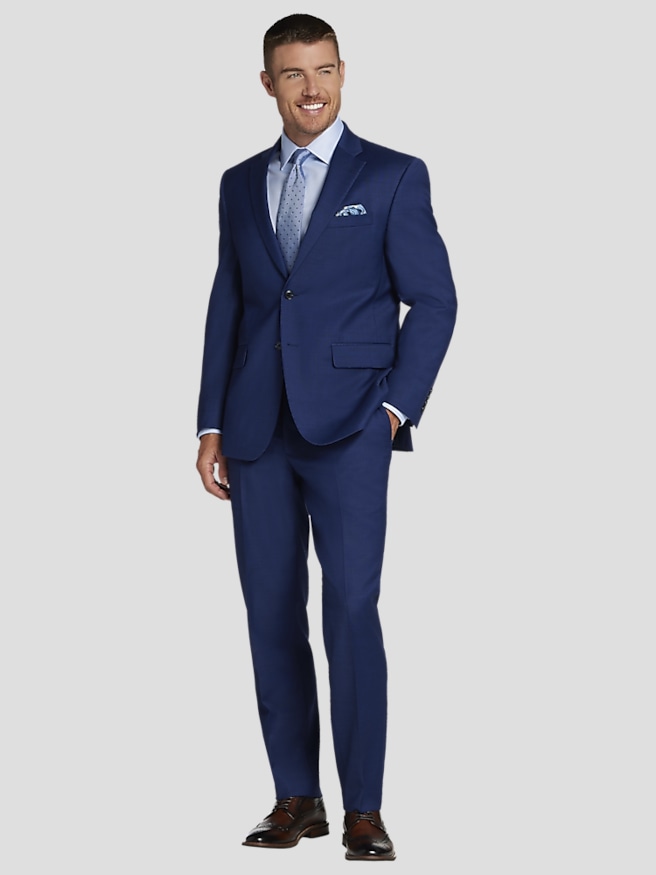
Dinner party attire brings together polished clothing, comfortable tailoring, and thoughtful finishing touches for evenings spent around a table. For men, the right level of formality depends on the host’s dress code, the setting, and the occasion: smart-casual clothing suits many gatherings at home, a tailored suit works well for a dressier restaurant invitation, and explicitly formal events call for more structured eveningwear. Across those settings, dress trousers, button-down shirts, blazers, and fine-gauge knitwear provide a versatile foundation without making every invitation feel like a black-tie occasion. At a friend’s home, an open-collar shirt beneath a softly structured jacket can look composed while feeling easy enough for conversation in the kitchen before dinner. In a candlelit dining room, a dark suit, a crisp shirt, and polished leather shoes bring a more refined finish. Navy, charcoal, brown, and cream are useful starting points, with burgundy or deep green adding warmth through a shirt, knit layer, or accessory. Texture can make a quiet outfit feel considered: a subtly patterned jacket over a smooth shirt has depth without competing with the rest of the clothing. During the cooler months, brushed fabrics and lightweight layers offer warmth on the way to the gathering while remaining practical indoors. The best combinations also account for the evening beyond the meal, whether that means standing for introductions, helping carry plates, or lingering over coffee. A jacket that looks sharp while standing should still feel comfortable once seated, and a shirt should stay neatly tucked without constant adjustment. Dress codes take priority over assumptions about the venue; a private home can host a formal celebration, just as a restaurant can be the setting for a relaxed reunion. Dinner party clothing feels most appropriate when its fabric, shape, and finishing details suit both the invitation and the person wearing it.
Materials influence how dinner party attire looks under warm lighting, how it moves, and how comfortable it feels through several courses. Wool tailoring offers breathability, drape, and natural resilience, making it useful for jackets and trousers that need to hold their shape through a long evening. Wool flannel has a soft, matte surface that pairs naturally with cooler-weather gatherings, while smoother weaves create a cleaner, dressier impression. Cotton shirting provides a familiar feel against the skin; poplin tends to look crisp and smooth, while twill adds subtle texture and often a softer hand. Fabric weight matters as much as fiber content, especially in a full dining room where heavy layers can become uncomfortable. Fine-gauge merino wool or cotton knitwear can sit neatly beneath a jacket without adding much bulk, and a modest amount of stretch in trousers may make sitting and standing easier. Stretch, however, cannot make up for a waistband that is too tight or a jacket that pulls across the back. A good fit leaves room to breathe, reach for a glass, and lean forward without strain. Shoulder seams should sit close to the natural shoulder, jacket lapels should lie smoothly, and a buttoned front should avoid pronounced pulling. Trousers need enough room through the seat and thighs to remain comfortable in a dining chair, with a hem that falls cleanly over the shoes rather than collecting in folds. Slim, tailored, and classic fits offer distinct silhouettes, but the most flattering choice follows the body without restricting it. Shirt collars deserve similar attention, particularly when a tie is part of the outfit: the collar should close comfortably and keep its shape beneath the jacket. These details matter to hosts moving between rooms as much as guests seated for a leisurely meal, giving dinner-ready clothing its balance of structure and ease.
Finishing pieces bring dinner party outfits together without needing to draw attention away from the occasion. Leather loafers can complement relaxed tailoring, while lace-up dress shoes lend a sharper finish to a suit or dress trousers. Clean uppers, comfortable linings, and soles suited to the walk from the car to the doorway matter as much as the silhouette. Socks that cover the ankle when seated preserve a continuous line between trouser hem and shoe, and a belt with a restrained buckle keeps the waist looking tidy. A tie or pocket square can add color and texture, although a precise match is unnecessary; related tones often look more natural than identical patterns. For gatherings that include colleagues or clients, Corporate Dinner Attire offers a closely related context for polished clothing with a professional tone. Versatility is valuable beyond a single invitation, too. A well-fitting jacket or pair of dress trousers can serve at anniversary dinners, family celebrations, and evenings out, especially when the color works with clothing already in a wardrobe. Accessories can make thoughtful gifts for a father, partner, or friend who enjoys dressing for social occasions, provided the choice reflects the recipient’s usual colors and level of formality. Lasting usefulness also depends on construction and care. Secure buttons, even seams, tidy linings, and fabric that recovers after gentle movement are useful signs to consider. Care labels should determine washing, pressing, and professional cleaning, since similar-looking fabrics may need distinct treatment. Airing garments after wear, brushing suitable wool fabrics, and hanging jackets on supportive hangers help preserve their appearance between outings. Knitwear generally keeps its shape better folded than suspended from the shoulders. Food or drink spots deserve prompt attention according to the garment’s care instructions rather than vigorous rubbing, which can spread a mark or damage the surface. With appropriate care and a comfortable fit, dinner party attire stays ready for the next invitation, looking considered from the first greeting through the last conversation at the table.