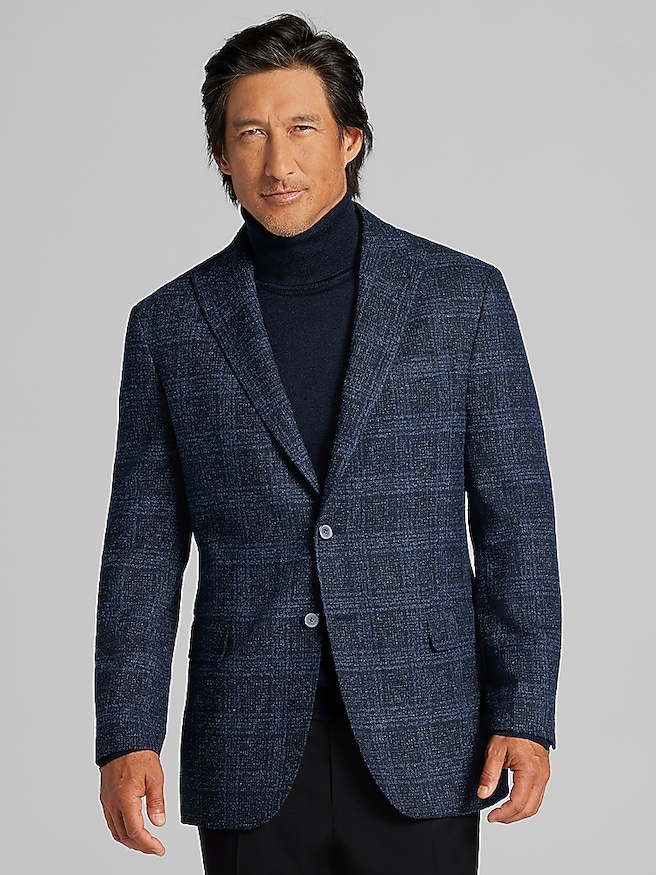
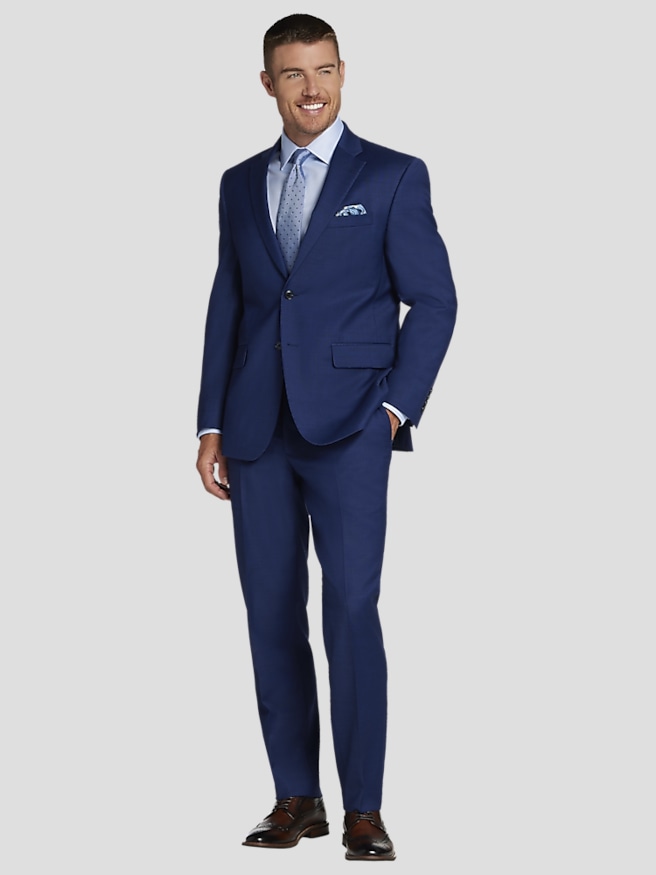
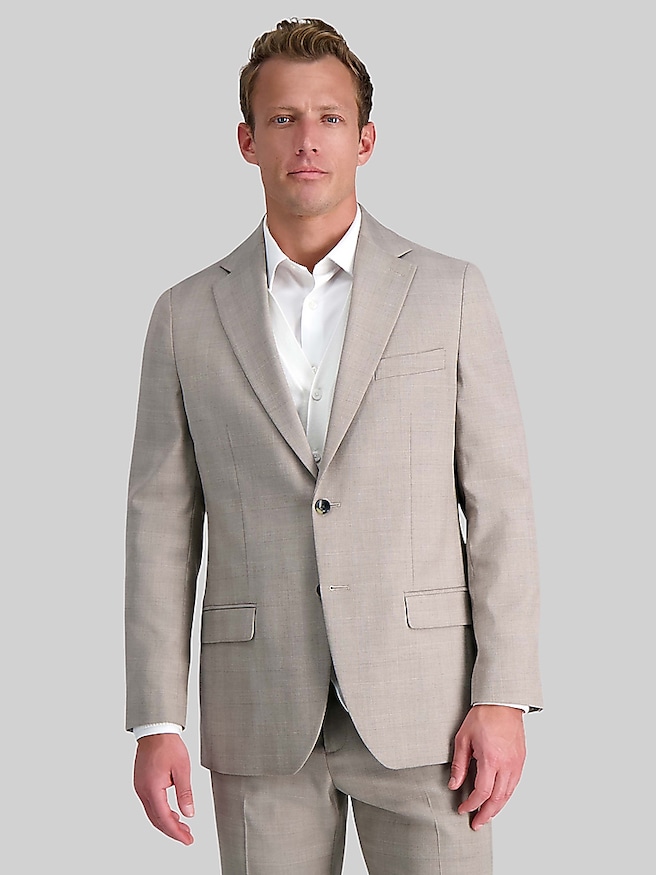
Plaid jackets for men bring structure, texture, and personality to an outfit without requiring every other piece to make a statement. The intersecting lines create depth that a solid jacket cannot quite replicate, whether the pattern is a quiet arrangement of closely spaced checks or a broad windowpane with more open space between the lines. Glen plaid has a layered, detailed appearance that often feels at home with tailored trousers, while larger checks can lend a more relaxed character to denim and chinos. Pattern scale matters as much as color: a small, low-contrast plaid can read almost like a textured solid from across a room, then reveal its detail up close. A bolder pattern becomes the focal point, especially when the background and crossing lines are noticeably distinct. Navy, charcoal, brown, and gray offer familiar foundations, while an accent thread can suggest a shirt or trouser color without demanding an exact match. For an office presentation, a muted plaid jacket over a light blue shirt creates visual interest while keeping the overall impression composed. For a dinner reservation or an anniversary celebration, the same type of jacket can take on a different character with a fine-gauge knit and dark trousers. Plaid also has a long connection to traditional tailoring and country-inspired clothing, but its appeal is not limited to either setting. Clean proportions, restrained accessories, and straightforward separates make the pattern feel natural in contemporary wardrobes. Someone who usually wears solid sport coats may appreciate the subtle variation of a tonal check; someone comfortable with expressive clothing may prefer stronger lines and richer color combinations. The most useful distinction is not whether a plaid looks formal or casual in isolation, but how its fabric, construction, and pattern work together. A softly shaped jacket with visible texture communicates ease, while a crisp surface, defined shoulder, and precise pattern tend to create a dressier impression. That range gives plaid a place in everyday wardrobes as well as outfits reserved for meaningful occasions.
Fabric and fit determine how a plaid jacket feels through a full day and how convincingly it holds its shape. Wool is valued in tailored jackets for its drape, resilience, and ability to recover from light creasing, although the weight and weave can vary considerably. Cotton often gives a jacket a more relaxed surface and may develop visible creases with wear, which can suit an informal outfit. Blended fabrics can balance texture, shape retention, and ease of movement; a small amount of stretch may add comfort, but it does not replace a well-proportioned cut. The lining and internal construction also influence the experience. A fully lined jacket can slide smoothly over a shirt, while partial lining and softer construction may create a less structured feel. At the shoulders, the jacket should follow the body's shape without a pronounced overhang or strained ridges. Across the chest, the lapels should lie comfortably rather than bow outward, and the front should close without pulling into an obvious X around the button. Enough room through the upper back makes ordinary movements, such as reaching across a desk or settling into a restaurant chair, more comfortable. Sleeve length deserves attention because too much fabric over the hands can make an otherwise balanced jacket look oversized. With a dress shirt, a modest glimpse of cuff usually provides a neat finish. Jacket length should also work with the wearer's proportions and the intended style rather than follow a trend at the expense of balance. Plaid makes some construction details particularly visible: well-aligned checks across prominent seams and pockets can contribute to a cleaner appearance, though alignment varies with design and pocket placement. Alterations can refine sleeves or the waist, but substantial shoulder changes are more involved. For a jacket intended as a gift, a familiar size, preferred fit, and a sense of the recipient's usual pattern choices are more useful than guessing from height alone. A man who spends much of his day seated may value ease through the torso, while someone accustomed to close-fitting tailoring may prefer a more defined outline.
The versatility of a plaid jacket becomes clear in the pieces worn alongside it. Solid shirts and trousers give the pattern room to stand out, making them dependable companions for both understated checks and larger designs. A white oxford shirt, navy chinos, and brown leather loafers create a polished combination without the uniformity of a matching suit. Dark, unembellished denim shifts the mood toward an informal dinner or a gathering with friends, particularly when the jacket has a soft shoulder and an unstructured feel. For more relaxed combinations, Casual Plaid Jackets fit naturally into a wardrobe built around easy separates rather than coordinated tailoring. Mixing patterns can also work when their proportions are distinct: a narrowly striped shirt beneath a broad check is often easier on the eye than two patterns competing at nearly the same scale. Ties and pocket squares need not reproduce every color in the jacket; a single shared tone is enough to connect the outfit. Intended use matters, too. A plaid sport coat can be appropriate for many offices, dinners, and celebrations, but an invitation calling for formal evening attire requires a different approach. Keeping the jacket looking sharp depends on care suited to its fabric and construction. The care label is the starting point, since some jackets require professional cleaning and others permit specific home-care methods. A broad, shaped hanger supports the shoulders between wears, and leaving breathing room in the closet helps prevent crushing. Emptying the pockets preserves their shape and reduces stress on the surrounding fabric. Gentle brushing, when appropriate for the material, can remove surface dust before it settles into the weave. Spills deserve prompt attention rather than vigorous rubbing, which can spread a mark or disturb the surface. Rotating wears and addressing loose buttons or small seam issues early can help extend useful life. With thoughtful proportions, compatible separates, and consistent care, a plaid jacket can become a familiar wardrobe anchor whose pattern remains distinctive without limiting how often it gets worn.