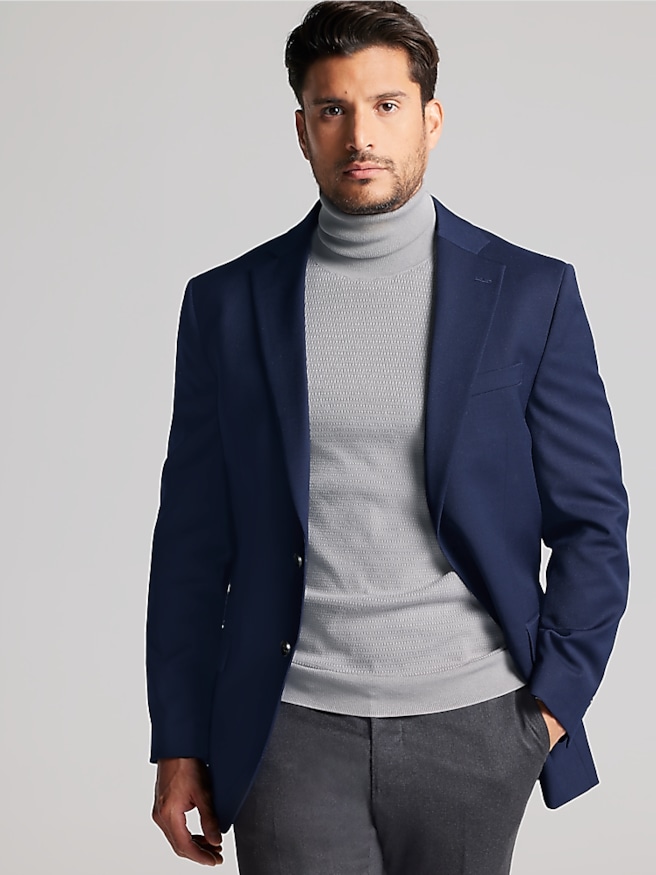
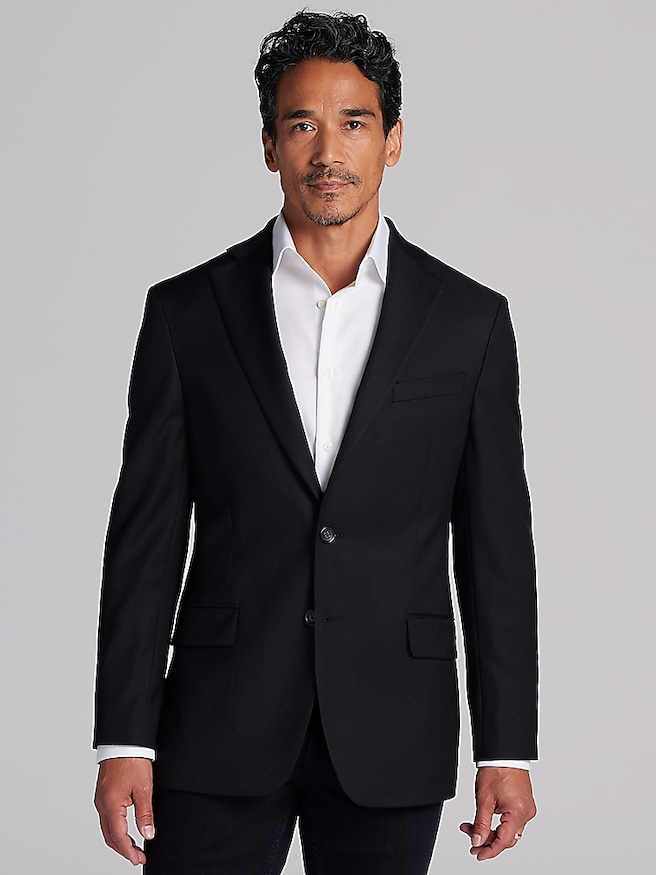
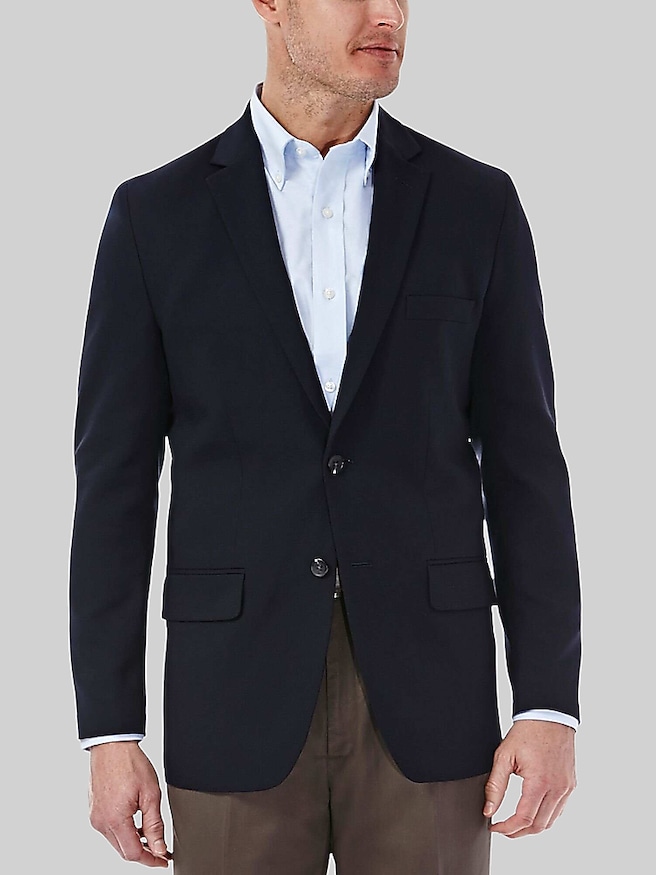
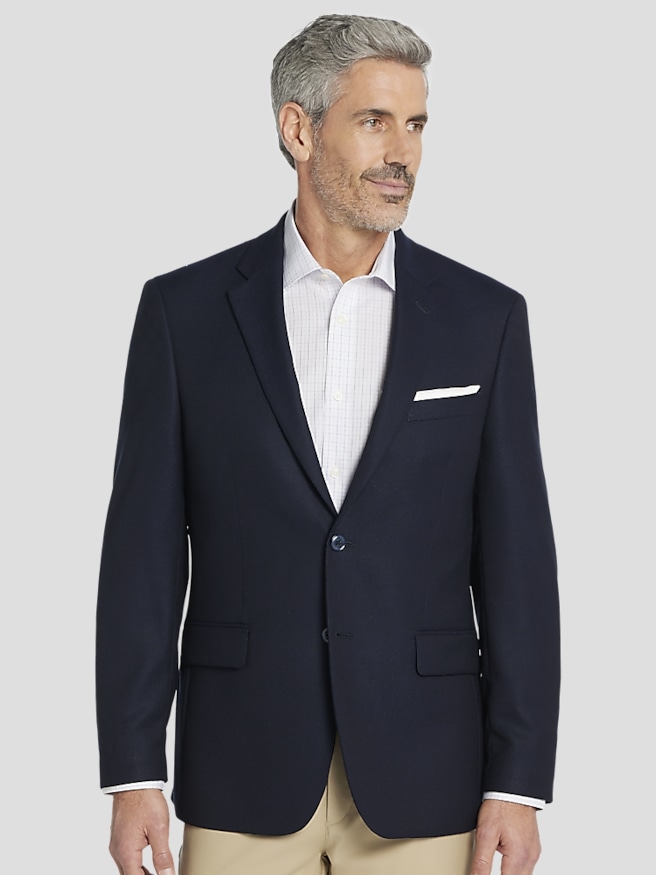
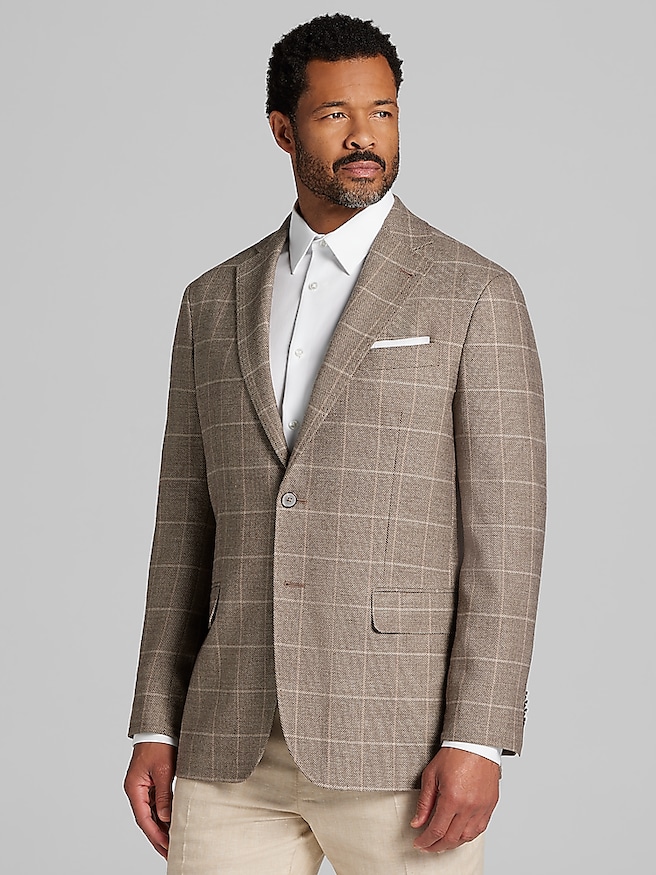
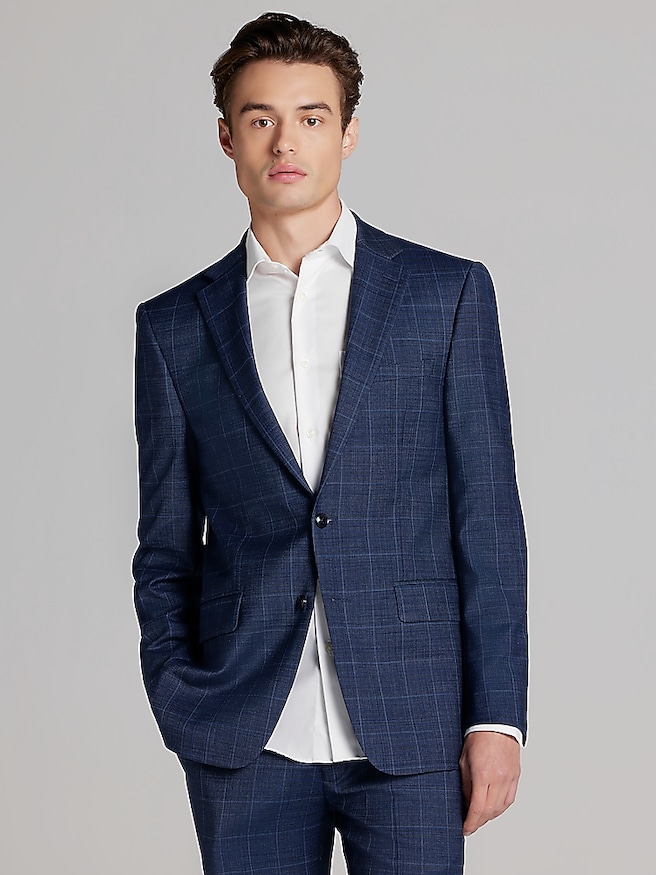
Plaid sport jackets bring structure and personality to an outfit without requiring the matching trousers of a suit. Their appeal starts with the pattern: crossing lines create depth, giving even a restrained color combination more character than a solid fabric. A fine glen plaid can read almost like a neutral from across a room, then reveal its intricate checks up close. A larger windowpane creates a more open, graphic effect, while an overlapping plaid with a subtle accent color gives shirts and accessories something to pick up. Within the broader category of Plaid Jackets For Men, sport jackets have a place between traditional tailoring and everyday separates. They can look polished over a crisp shirt at a business dinner, relaxed with a fine-gauge knit for a restaurant reservation, or expressive at a wedding where the dress code allows separates. The size and contrast of the plaid influence that impression as much as the jacket’s underlying color. Closely spaced checks in navy, charcoal, or brown tend to blend easily with familiar wardrobe staples; bolder lines create a stronger focal point. Someone who spends the day moving between client meetings and an evening gathering may appreciate a muted plaid that feels appropriate in both settings. For a celebration or a creative workplace, a more visible pattern can carry the outfit with little additional decoration. Plaid also has a long connection to sporting and country tailoring, which helps explain why it feels comfortable alongside textured trousers, leather shoes, and less formal shirts. That heritage does not make every plaid jacket rustic. A smooth fabric, clean shoulder, and balanced lapel can give the same family of patterns a distinctly refined appearance. The most versatile choice is often the one whose background color already works with several pairs of trousers, making the jacket feel like a natural extension of an established wardrobe rather than a piece that needs an entirely new outfit.
Fabric and construction determine how a plaid sport jacket feels in wear and how clearly its pattern comes through. Wool is valued in tailoring for its drape, resilience, and ability to recover from light creasing. A smooth wool cloth gives checks a crisp outline, while a more textured weave softens the lines and adds dimension. Cotton can lend a less formal character, and blends may combine wool’s structure with fibers chosen for softness, strength, or easier movement. Fabric composition alone does not tell the whole story: weave, weight, lining, and internal construction all affect the finished jacket. A fully lined interior can help the jacket slide smoothly over a shirt, while partial lining leaves more of the internal fabric and finishing exposed. Soft shoulder construction creates a relaxed profile; more defined shoulders give the upper body a sharper outline. Neither approach is inherently better, but each changes how the jacket sits and the occasions it suits. Fit deserves particular attention because plaid lines make pulling and distortion easier to notice. The shoulder seam should sit close to the natural shoulder, the collar should rest neatly against the shirt collar, and the front should close without pronounced tension around the button. A fitted jacket can follow the torso without restricting movement, while a roomier cut may be more comfortable over a knit or for someone who prefers additional ease. Sleeve length should leave a small amount of shirt cuff visible when the arms rest naturally, and the jacket’s overall length should balance the torso and lower body. Sitting at a desk, reaching across a table, or fastening a seat belt are useful everyday movements to consider when assessing comfort. Tailoring can refine sleeve length and the shape through the waist, but substantial changes to shoulders or jacket length are more complicated. Starting with a sound fit through the upper body usually gives alterations a better foundation. Clean stitching, secure buttons, and neatly finished pockets also contribute to durability, especially when a jacket becomes part of a regular rotation.
Putting a plaid sport jacket to work is often a matter of letting the pattern lead and keeping the surrounding pieces deliberate. Solid trousers make the simplest partner because they give the eye a place to rest. Charcoal trousers can ground a navy-based plaid, while tan or medium-brown trousers can echo the warmer tones in a more earthy pattern. The colors do not have to match exactly; a shared undertone or a quiet connection to one line in the plaid is often enough. A white or pale blue shirt keeps the result crisp, and a solid knit creates a less formal finish without competing with the checks. If another pattern enters the outfit, a noticeable difference in scale helps: a small shirt stripe can sit comfortably beneath a larger plaid, provided the colors remain controlled. A tie with a subtle texture may add more than another prominent motif. Dark, evenly finished denim can also work with a relaxed jacket when the setting permits, particularly with a tucked shirt and clean leather footwear. Care helps preserve both the tailoring and the fabric’s surface. Follow the care label, address marks promptly using an appropriate method, and avoid treating every material the same way. A gentle clothing brush can remove surface dust from suitable fabrics, while airing the jacket between wears can reduce the need for unnecessary cleaning. Professional cleaning is appropriate when the label calls for it, especially for structured garments whose outer fabric, lining, and internal components need to stay in balance. A broad, shaped hanger supports the shoulders, and enough closet space prevents the lapels and sleeves from being compressed. Emptying the pockets before storage helps protect the jacket’s silhouette; repeatedly carrying a heavy phone or wallet in one pocket can distort the fabric over time. As a gift, a plaid sport jacket can suit a graduate building a professional wardrobe, a partner who enjoys dressing for dinners, or a father who appreciates tailored separates. Familiarity with the recipient’s measurements, preferred fit, and usual colors makes the choice more personal and more likely to become a well-used part of everyday dressing.