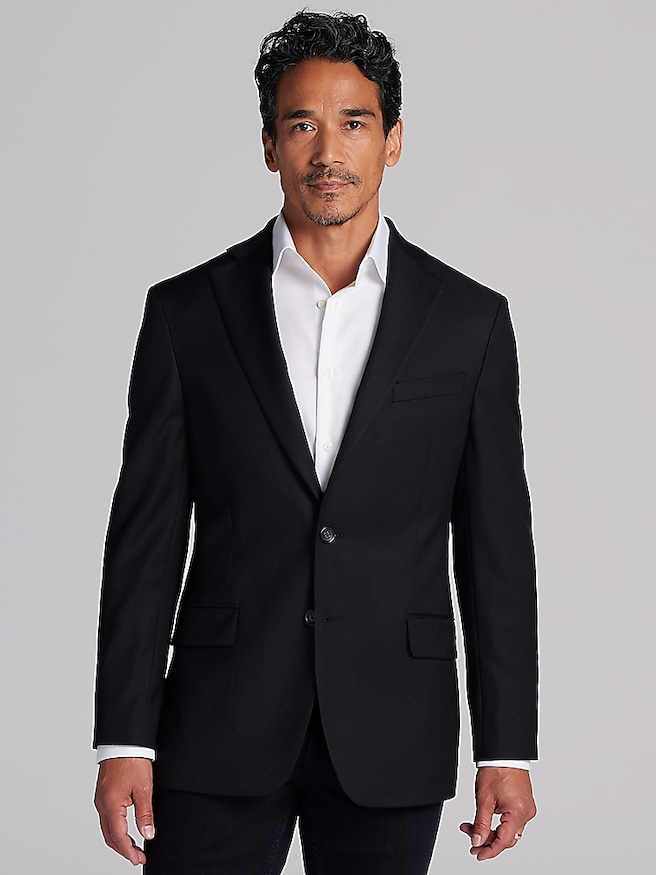
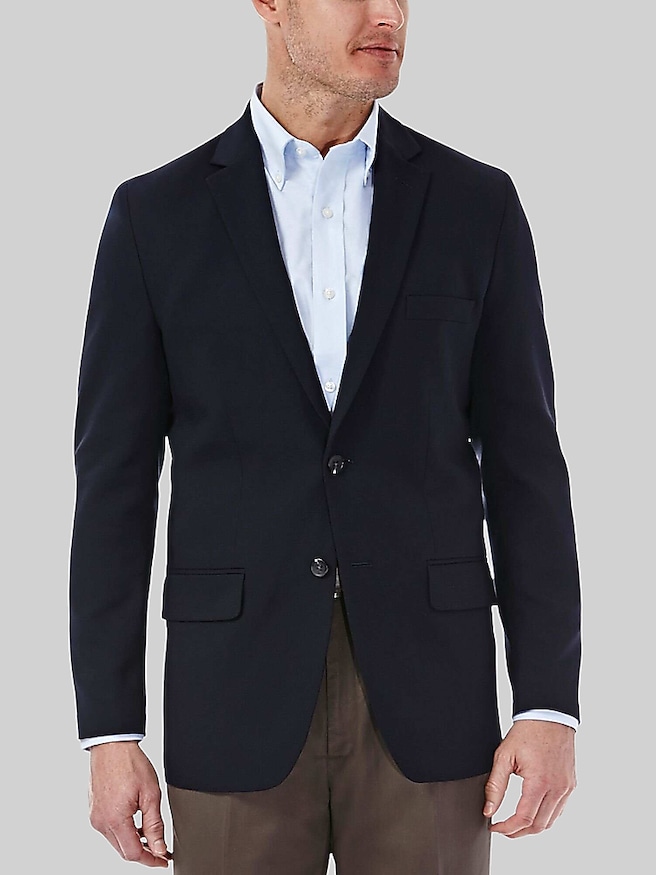
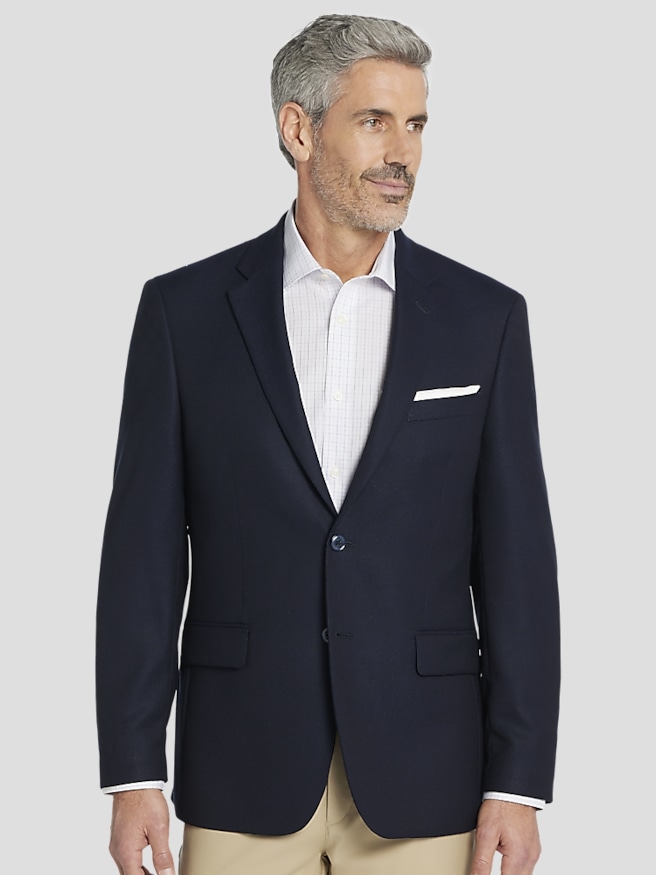
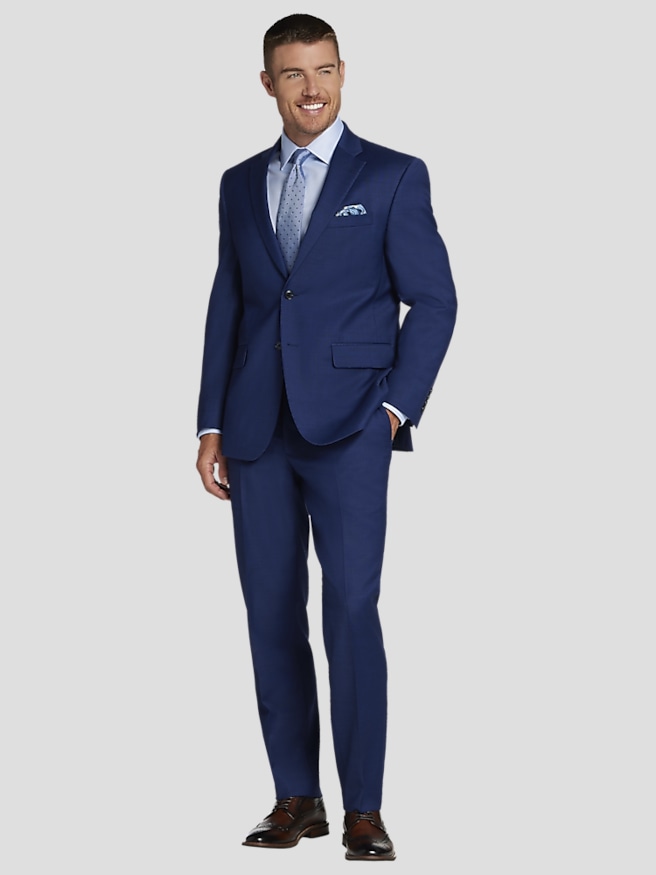
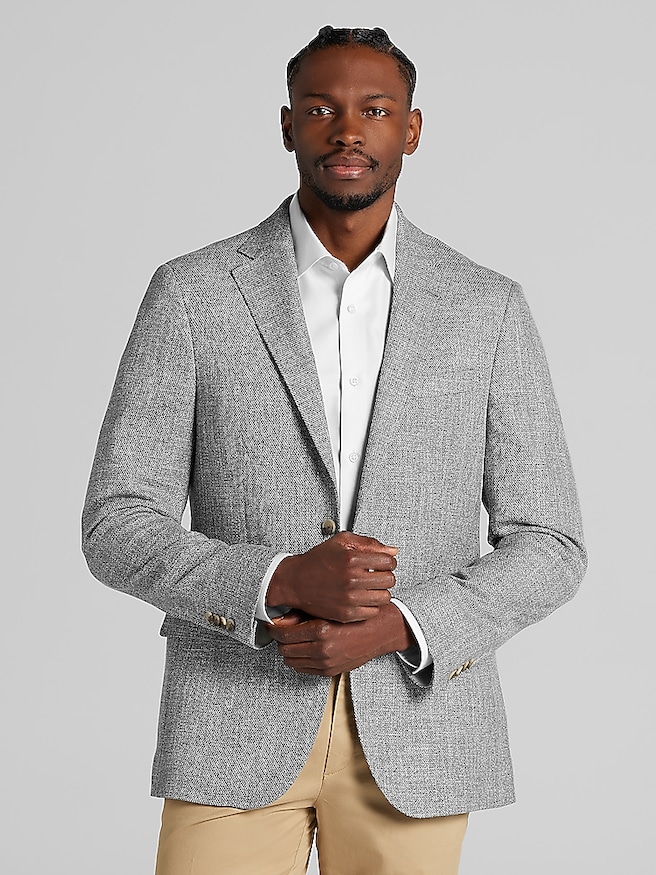
Plaid tweed jackets combine a textured woven fabric with a pattern of intersecting lines, bringing depth and definition to a tailored outfit. Tweed traditionally refers to a woolen fabric with a slightly irregular surface, often created with yarns that mix several shades within a single thread. Plaid describes the pattern rather than the fiber, so the character of a jacket depends on both its fabric composition and the scale of its checks. A small, muted check can look almost solid from across a room, while a broad windowpane creates a more pronounced grid. Brown, charcoal, navy, olive, and gray provide versatile foundations, with accent threads adding interest without requiring a brightly colored outfit. Wool tweed often has a substantial feel and natural resilience; wool blends can incorporate other fibers to adjust softness, weight, or resistance to abrasion. Polyester-containing blends may offer durability, though their feel and care requirements vary with the complete construction. The fiber label, weave, lining, and internal structure are more useful indicators of how a jacket will wear than the word “tweed” alone. A softly constructed jacket can feel relaxed and move easily, while a more structured chest and shoulder create a defined silhouette. Neither approach is inherently more polished; the right choice depends on the setting and the clothes worn alongside it. Plaid tweed has roots in country tailoring, but its texture works naturally in modern offices, at dinners, and at gatherings where a suit would feel overly formal. Among Stylish Tweed Jackets, plaid designs offer a particularly expressive balance of pattern and texture. An understated check can serve as a dependable everyday sport coat, while a bolder pattern can become the focal point of an outfit. Looking closely at the background color and the strongest accent line makes it easier to picture how a jacket will coordinate with trousers, shirts, and shoes already in a wardrobe.
Fit determines whether that texture looks intentional and tailored or simply bulky. The shoulder seam should sit close to the natural edge of the shoulder, with the sleeve falling smoothly rather than collapsing or forming a pronounced ridge. A jacket should rest against the back of the neck without a persistent gap, and the lapels should lie flat against the chest. When the appropriate front button is fastened, the fabric should follow the torso without creating strong diagonal pull lines around the closure. There should also be enough room to sit, reach across a table, and move the arms comfortably. Trying a jacket over the kind of layer it will actually accompany gives a more useful sense of fit than trying it over an unusually thin shirt. A fine-gauge sweater needs less room than a substantial knit, and neither should force the upper sleeves or chest out of shape. Slim fits generally sit closer through the torso, while classic fits tend to provide more ease; the label matters less than the way the individual cut works on the wearer. Jacket length should balance the torso and legs, with enough coverage through the seat to maintain a tailored proportion. Sleeves usually look sharp when they allow a small amount of shirt cuff to show, though personal preference and the shirt’s own fit affect the result. Plaid adds another consideration: the pattern should look balanced across the front, and conspicuous checks make twisting or pulling easier to notice. Some adjustments, such as modest sleeve or waist changes, may be practical, while major shoulder corrections are more involved. For straightforward styling, let the jacket carry the pattern and keep surrounding pieces relatively quiet. A cream Oxford shirt with dark brown trousers brings out an earthy check; a pale blue shirt and charcoal trousers create a restrained office combination. Dark, clean-finished denim can make the same jacket feel less formal, while a solid tie and pressed trousers give it a more dressed-up purpose. Shoes with some visual substance, such as brogues or plain leather boots, complement tweed’s textured surface without competing with the plaid.
Care is especially important for a fabric whose appeal comes from its texture and shape. Always follow the sewn-in care label, since wool content, blended fibers, linings, and internal tailoring can require distinct treatment. Many tailored tweed jackets call for professional dry cleaning rather than machine washing, but cleaning frequency should reflect actual wear and soiling rather than an automatic schedule. After wearing, empty the pockets and hang the jacket on a broad, supportive hanger that follows the shoulder shape. Leaving space around it allows the fabric to air out without being crushed between other garments. A soft garment brush can lift loose dust and lint; use gentle strokes rather than aggressive scrubbing that could disturb the surface. Blot spills promptly with a clean cloth, avoid rubbing them into the weave, and seek professional advice for persistent marks. Direct heat, heavy pressing, or careless steaming can flatten texture or affect the jacket’s construction. When pressing is appropriate, the fabric instructions and a protective pressing cloth matter. Tweed’s substantial appearance does not make it immune to wear: repeated friction at elbows, pocket edges, and shoulder straps can gradually change the surface. Rotating jackets, avoiding overfilled pockets, and storing them clean help preserve both the cloth and the silhouette. For longer storage, a breathable garment bag and appropriate moth protection are useful, particularly for wool-rich fabrics. These practical considerations also make plaid tweed jackets thoughtful gifts for someone who enjoys tailored clothing, whether for a birthday, graduation, or professional milestone. The most useful clues are the recipient’s usual jacket measurements, preferred fit, and existing wardrobe colors, rather than an assumed size. A subtle plaid may suit someone building a versatile wardrobe, while a more distinctive check can appeal to an experienced sport coat wearer. For regular office wear, business dinners, or celebrations with a smart-casual dress code, the strongest choice is a jacket that feels comfortable, coordinates easily, and has a pattern the wearer will enjoy beyond a single occasion.