Men’s winter scarf gifts bring together everyday warmth, personal style, and the kind of usefulness that lasts beyond a gift exchange. A scarf can become part of the walk to the train, the trip across a windy parking lot, or the final layer over a wool coat before dinner. For a father, brother, partner, or close friend, it is a thoughtful accessory that does not require knowing a precise jacket or shirt size. The material makes a meaningful difference in how a scarf feels and where it works best. Wool provides insulation with a breathable feel, making it well suited to cold commutes and time outdoors. Lambswool often has a soft, slightly lofty texture, while merino wool is known for finer fibers that can feel smoother against the neck. Cashmere offers a soft hand and warmth without much weight, an appealing combination for someone who prefers less bulk beneath a coat collar. Individual comfort varies, especially for anyone sensitive to wool, so fiber content and surface texture matter as much as appearance. Cotton scarves tend to offer lighter coverage rather than deep insulation, while acrylic and other synthetic fibers can provide softness and color versatility. Blended fabrics combine characteristics from multiple fibers; the percentages and construction help determine their warmth, weight, and care requirements. A brushed finish can create a cozy feel, while a smooth woven surface often sits neatly with tailored clothing. Dense knits generally feel more substantial than open, airy stitches, though thickness alone does not determine warmth. A scarf that rests comfortably against bare skin is particularly useful when worn with an open-neck shirt or a crewneck sweater. For someone who moves between a heated office and cold sidewalks, a removable layer offers flexibility without requiring a heavier outfit all day. These differences give winter scarves a personal quality: a softly textured scarf for someone who values comfort, a refined woven style for a frequent suit wearer, or a sturdy knit for a recipient whose routine includes plenty of outdoor time.
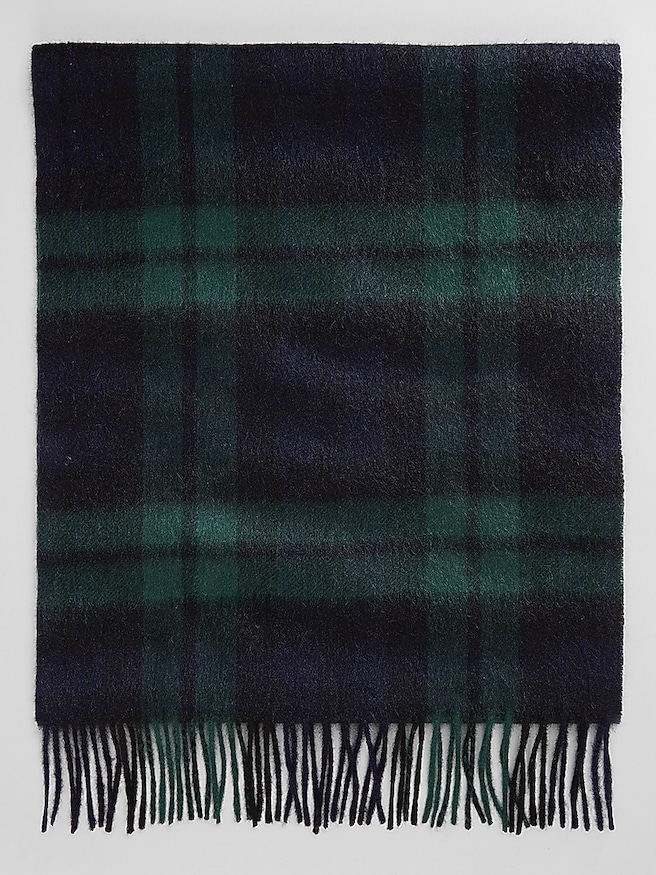
Fit in a winter scarf comes down to length, width, weight, and the way the fabric folds. A shorter scarf can lie neatly beneath a coat with the ends tucked inside, while a longer one allows a loose wrap or a folded pull-through knot. Extra length is useful for wrapping, but overly long ends may feel cumbersome to someone who prefers a streamlined outfit. Width changes the experience, too. A narrow scarf usually creates less bulk at the neckline; a broader scarf offers more coverage across the neck and upper chest. The best proportions leave enough room for comfortable movement and allow the coat to close without a tight, crowded collar. Thick knits pair naturally with roomier outerwear, while finer woven fabrics tend to work well beneath structured overcoats. For a commute that includes carrying a shoulder bag, a flatter knot can sit more comfortably than a large knot pressed beneath the strap. Color and pattern make the gift feel connected to the recipient’s wardrobe. Charcoal, navy, black, and shades of gray coordinate easily with many coats and suits, while camel, brown, and cream introduce softer contrast. Burgundy or deep green can add color without overpowering an otherwise understated outfit. Plaid brings a familiar winter character, subtle stripes add definition, and a solid scarf lets texture take the lead. Someone who regularly wears patterned jackets may appreciate a quieter scarf, while a plain coat gives a bolder pattern room to stand out. Fringe creates a traditional finish, and clean edges offer a simpler look. Construction deserves attention alongside color: even stitching, secure edges, and a consistent weave help a scarf hold its shape through repeated wear. Softness should also work with the intended use. A substantial scarf may feel welcome on a long outdoor walk, whereas a lighter, more flexible fabric may be easier to fold into a bag after arriving at an office or restaurant.
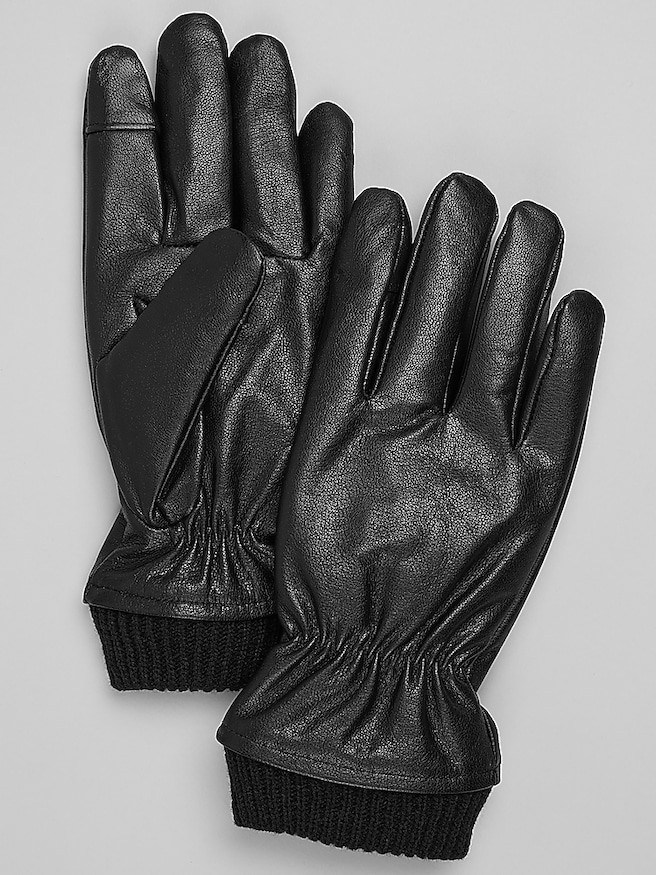
A well-chosen scarf gift reflects the small details of someone’s day rather than relying on a dramatic change in style. A recipient who wears dark outerwear most days may enjoy a familiar neutral with a richer texture, while someone who likes distinctive accessories may appreciate a noticeable check or a contrasting fringe. For a holiday gift, birthday, or winter celebration, those details make a practical accessory feel considered. Coordinating a scarf with gloves or a knit hat can create a cohesive combination without requiring every piece to match exactly. Similar undertones, complementary textures, or a shared accent color often feel more natural than identical patterns throughout. The broader selection of Winter Men's Accessories offers another way to consider how a scarf fits into a complete cold-weather outfit. Long-term usefulness also depends on care habits. The sewn-in care label should determine whether a scarf is hand washable, machine washable, or intended for professional cleaning; fiber names alone do not establish a safe cleaning method. Wool and cashmere can shrink or lose their shape with unsuitable washing, heat, or agitation. When washing is permitted, following the specified temperature and drying method helps protect the fabric. Many knit scarves benefit from drying flat rather than hanging while wet, which can stretch the fabric under its own weight. A scarf should be completely dry before it is folded away, and clean, dry storage helps protect natural fibers between uses. Repeated friction from coat collars, bag straps, and facial hair can cause surface fuzz or pilling, particularly on softer fabrics. Gentle maintenance appropriate to the material can keep the surface looking tidy without pulling at the yarns. Folded storage also avoids leaving a scarf knotted for long periods. For a recipient who prefers a straightforward routine, clearly labeled easy-care fabric may be especially useful. For someone comfortable with more attentive care, a delicate texture may be a welcome part of the gift. Comfort, wearable proportions, and compatibility with an existing wardrobe give a winter scarf lasting value as an everyday accessory.