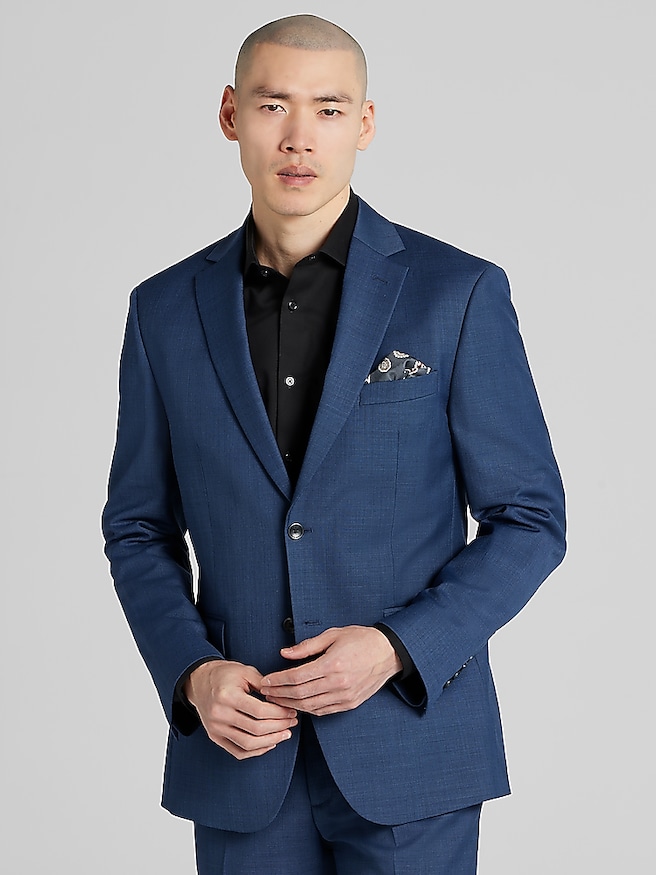
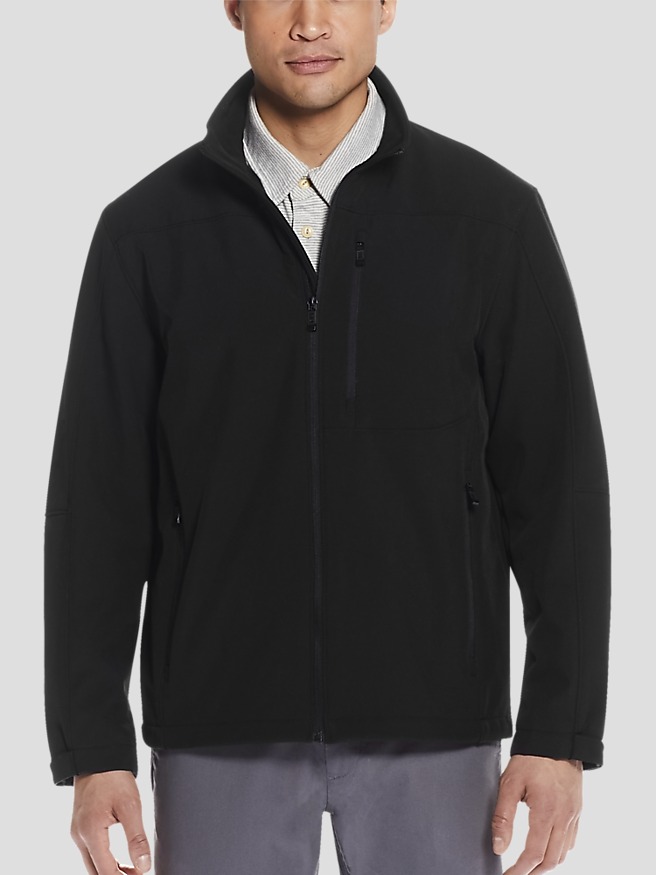
Layering clothes for winter is a practical way to stay comfortable through changing temperatures without sacrificing a polished appearance. Rather than relying on one heavy garment, a well-planned outfit uses several coordinated layers that work together: a close-fitting base layer to help manage moisture, an insulating middle layer to hold warmth, and a protective outer layer to help block wind and precipitation. This system is useful for a morning commute, a long day outdoors, travel between heated buildings and cold sidewalks, or any occasion when the weather can shift throughout the day. The best winter layers are easy to add, remove, and combine, making them especially helpful during the transition from crisp early-season mornings to colder conditions later in the season. For additional ideas on creating versatile outfits as temperatures begin to drop, explore Mens Fall Layering. When choosing pieces, consider the fit of each layer as a complete outfit rather than evaluating garments one at a time. The first layer should sit comfortably against the body without restricting movement, while the middle layer should leave enough room for air to circulate and for an outer jacket or coat to fit smoothly over it. A protective top layer should allow natural movement through the shoulders and arms, particularly for driving, walking, commuting, or carrying a bag. Thoughtful proportions help prevent the bundled-up feeling that can come from wearing too many oversized pieces at once.
The base layer plays an important role in helping an outfit feel comfortable during active days. A lightweight, close-fitting layer can help move perspiration away from the skin, which matters when walking briskly, climbing stairs, or moving between outdoor cold and indoor heat. Fabrics designed to dry efficiently are often useful for this purpose, while heavier, soft-touch materials can add warmth when activity levels are lower. A middle layer provides insulation by creating a pocket of warm air near the body. Depending on the setting, this can include a fine-gauge knit, a textured sweater, a casual zip layer, or another warm but manageable option that adds dimension without overwhelming the outfit. Look for a balance between warmth and ease: a layer that is too thin may not provide enough insulation, while one that is overly bulky can make the outer layer feel tight and limit movement. The outer layer should account for the conditions you are most likely to encounter. Wind-resistant construction is valuable on exposed streets and open walkways, while water-resistant or weather-protective materials can offer added reassurance when rain, sleet, or light snow is possible. Details such as a secure closure, a comfortable collar, useful pockets, and adjustable cuffs can make a noticeable difference during a full day outside. For the lower half of an outfit, consider adding a warm underlayer beneath trousers when temperatures fall, particularly for outdoor events or commutes that involve waiting in the cold. Accessories that protect the hands, neck, head, and feet also complete the layering system and help prevent warmth from escaping through exposed areas.
Winter layering can be tailored to nearly any wardrobe, lifestyle, or dress code. Someone who works in an office may appreciate refined knit layers that can be worn under a tailored jacket during the commute and removed once indoors. A traveler can benefit from lightweight pieces in complementary colors that create several outfits while taking up less space in a suitcase. For outdoor activities, prioritize warmth, flexibility, and moisture management, with layers that can be adjusted as the body heats up. Someone who spends most of the day driving may prefer thinner layers that provide insulation without feeling restrictive behind the wheel. Layering pieces can also make thoughtful gifts for a partner, family member, friend, or colleague, especially when you choose versatile colors and dependable fabrics that suit everyday wear. A warm middle layer is a practical choice for someone who enjoys weekend walks, follows outdoor sports, or frequently moves between home, work, and social plans. A comfortable base layer can be useful for a frequent traveler, while a polished outer layer can help refresh a wardrobe for cooler-season events. To make gifting easier, pay attention to sizing, preferred fit, and personal style; some people favor a close, streamlined silhouette, while others prefer relaxed layers that can be worn over a shirt or light knit. Neutral shades make mixing and matching simple, while subtle patterns or seasonal color can add personality. With the right combination, winter layers can create warmth that feels natural, maintain a clean silhouette, and carry an outfit comfortably from a cold first step outdoors to the final stop of the day.