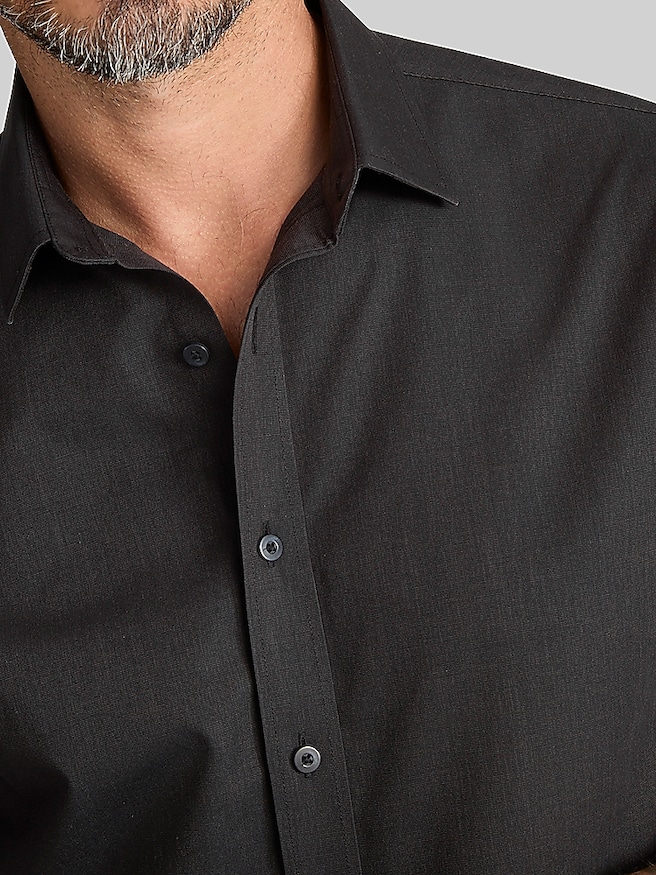
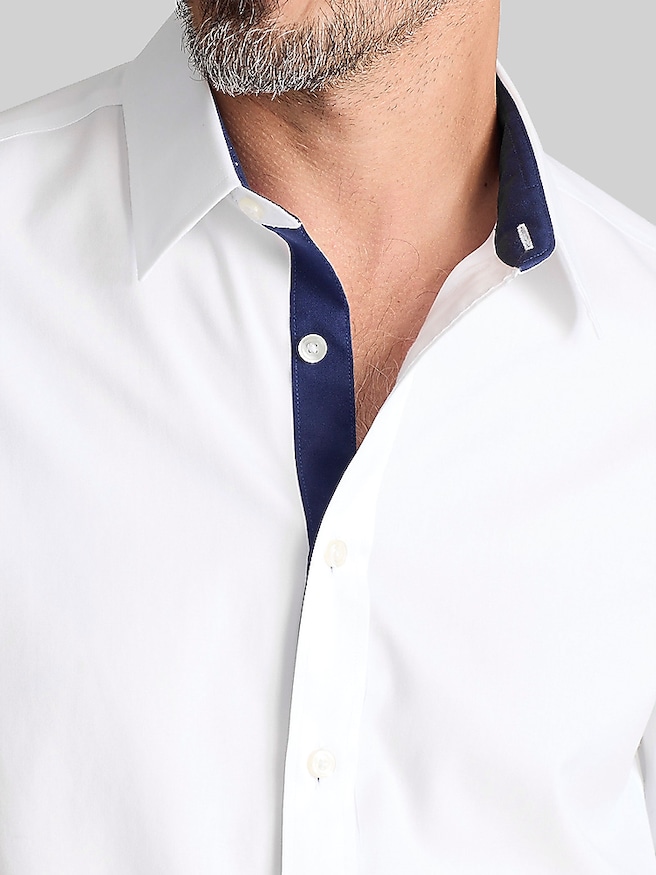
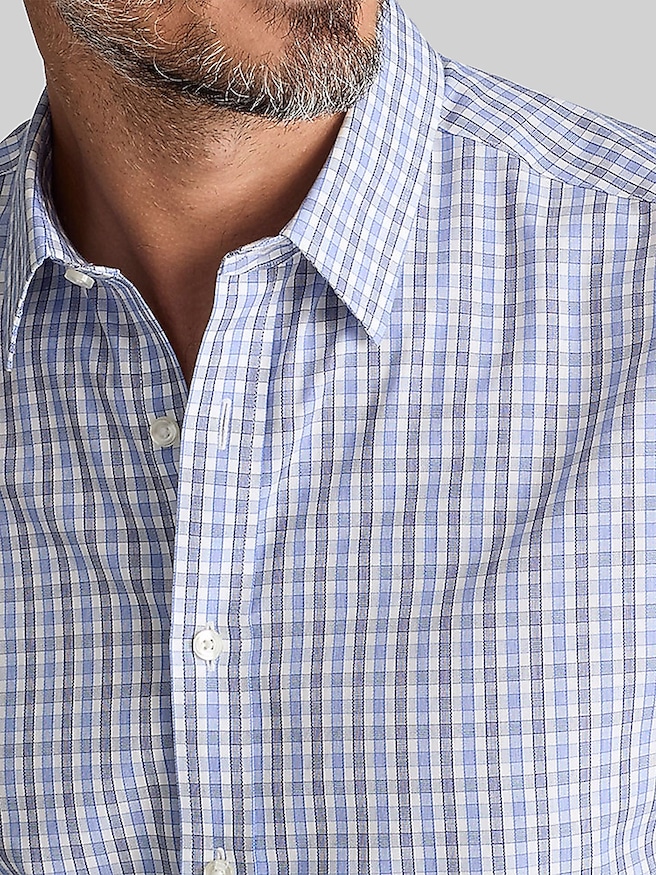
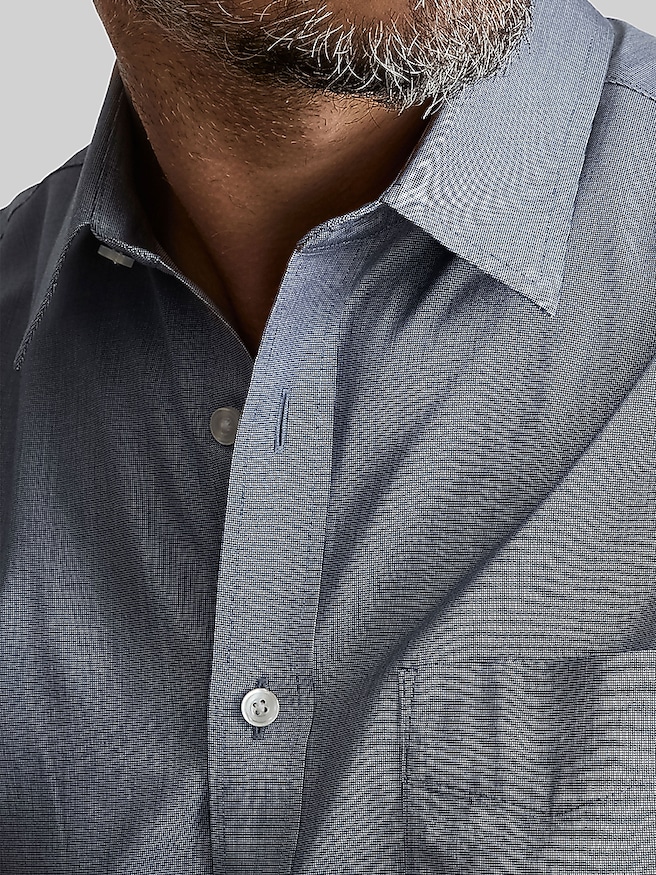
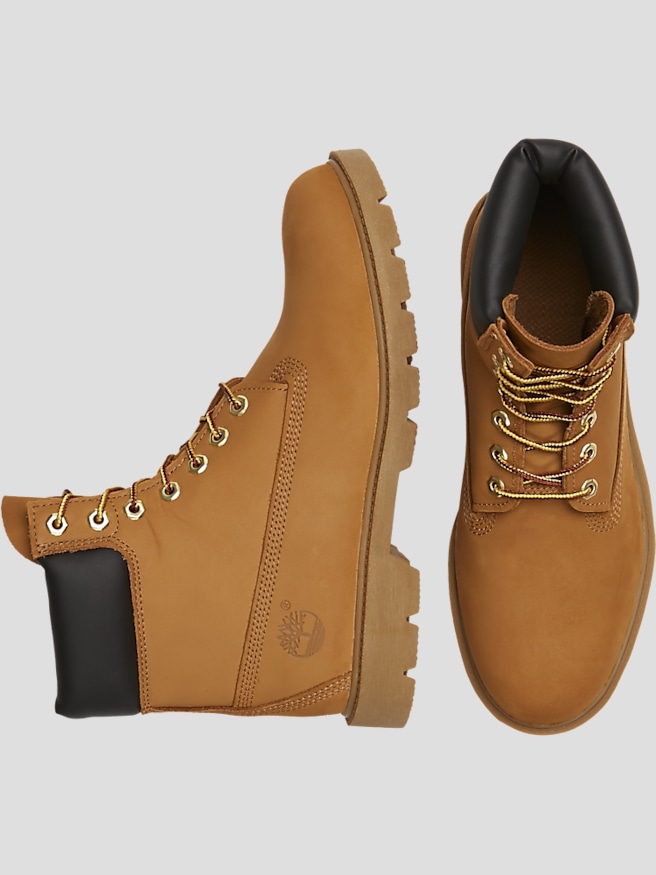
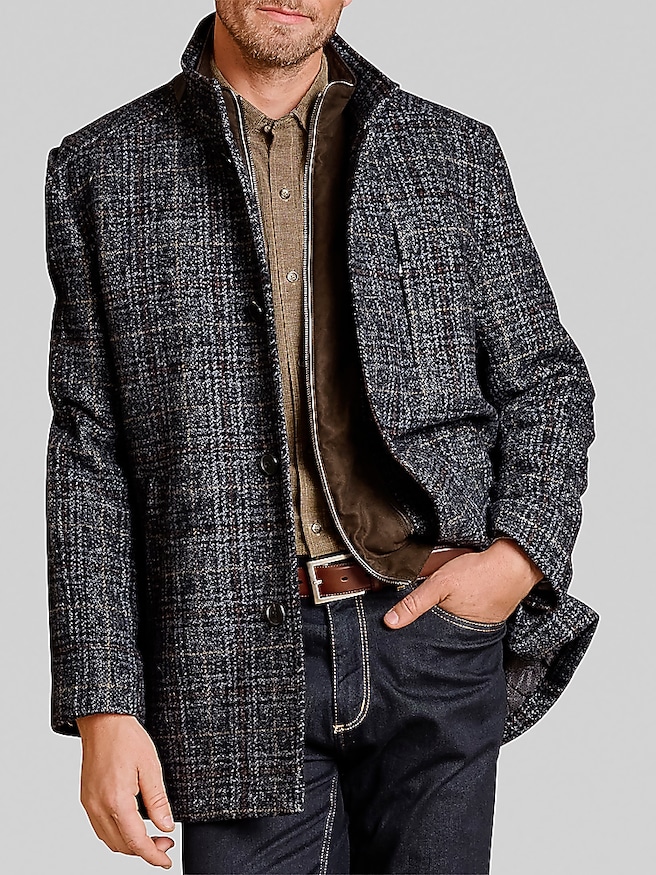
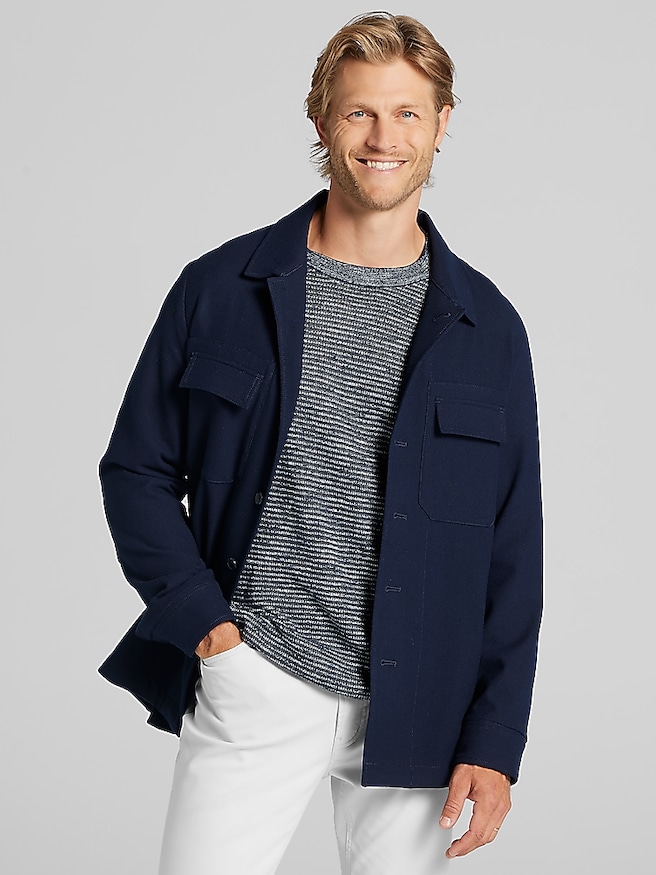
Men’s fall layering makes it easier to stay comfortable as temperatures shift from crisp mornings to milder afternoons and cooler evenings. The most reliable approach is to build from thin layers close to the body and add warmth and structure as you move outward. Begin with a fitted or lightly tailored undershirt that sits smoothly beneath the rest of the outfit without bunching at the sleeves or collar. Cotton, performance blends and lightweight knits can all work well, depending on whether the day calls for breathability, stretch or additional insulation. Neutral shades such as white, gray, navy, black and cream create a clean foundation, while a muted earth tone can add understated character. From there, add a shirt or knit layer with enough room for comfortable movement. A button-up shirt, flannel, sweater, cardigan or lightweight overshirt can provide texture and warmth without making the outfit feel heavy. Explore the selection of Layering Shirts for versatile pieces that can be worn on their own when the weather is mild or beneath a jacket when the air turns colder. Finish with an outer layer that suits the setting, such as a casual jacket for everyday wear, a polished coat for commuting or a tailored layer that complements dress trousers and a collared shirt. Keeping the thinnest garment closest to the skin and the roomiest, most substantial garment on the outside helps each piece sit naturally and makes it easier to adjust throughout the day.
Good layering depends as much on proportion as it does on warmth. Aim for no more than three visible layers in most outfits so the finished look feels intentional rather than bulky. Each layer should have a clear purpose, whether it adds insulation, color, texture or protection from wind and light precipitation. A shorter base layer can sit neatly beneath a shirt, while a middle layer may extend slightly below a jacket for a relaxed, dimensional effect. Outerwear generally looks best when it allows room for the layers underneath without pulling across the shoulders, straining at the buttons or restricting the arms. Pay attention to fabric weight as well: a thin knit works comfortably under a structured jacket, while a heavier sweater may need a roomier coat. Color can help create a balanced appearance. Lighter shades near the face keep the outfit open and easygoing, while deeper tones on the outer layer give the ensemble a grounded finish. Earthy greens, warm browns, burgundy, charcoal and navy complement the changing landscape of the cooler months, though a simple tonal combination can be just as versatile. Texture adds visual interest without relying on bold patterns; smooth shirting, a softly napped knit and a durable woven jacket create contrast while remaining easy to coordinate. For professional settings, layer a fine-gauge sweater or vest over a collared shirt beneath a tailored jacket, making sure cuffs and collars remain crisp. For casual plans, combine a comfortable base, a textured shirt and a weather-ready jacket with denim or casual trousers. The same principles work for travel, outdoor walks, campus routines, dinners and weekends when the temperature may change several times between leaving home and returning.
These men’s fall layering options can serve a wide range of wardrobes, from someone building a dependable everyday rotation to someone preparing for a new job, a trip or a season of social gatherings. A versatile shirt or sweater is a practical gift for a partner, father, brother, son or friend because it can be worn with clothing he already owns and adapted to different levels of formality. When choosing a layer for yourself or someone else, consider lifestyle first. A commuter may appreciate easy-care fabrics, secure pockets and an outer layer that fits comfortably over workwear. Someone who spends more time outdoors may prefer a warmer knit, a protective jacket or materials that handle changing conditions with ease. A man with a classic wardrobe may gravitate toward solid colors, refined textures and clean lines, while a more casual dresser may enjoy plaid, contrast stitching or relaxed silhouettes. Fit remains the most important consideration: shoulder seams should rest near the natural shoulder, sleeves should allow a base layer underneath, and the hem should provide coverage without overwhelming the frame. Think about the clothing already in the closet, too. Layers in navy, gray, brown, olive and neutral tones tend to mix easily with jeans, chinos, dress trousers and seasonal accessories. During the cooler months, a thoughtfully assembled combination can move from a chilly morning commute to an indoor office, dinner or evening gathering simply by removing or adding one piece. With the right balance of lightweight foundations, comfortable middle layers and dependable outerwear, men’s fall layering offers warmth, flexibility and a polished appearance throughout the changing season.