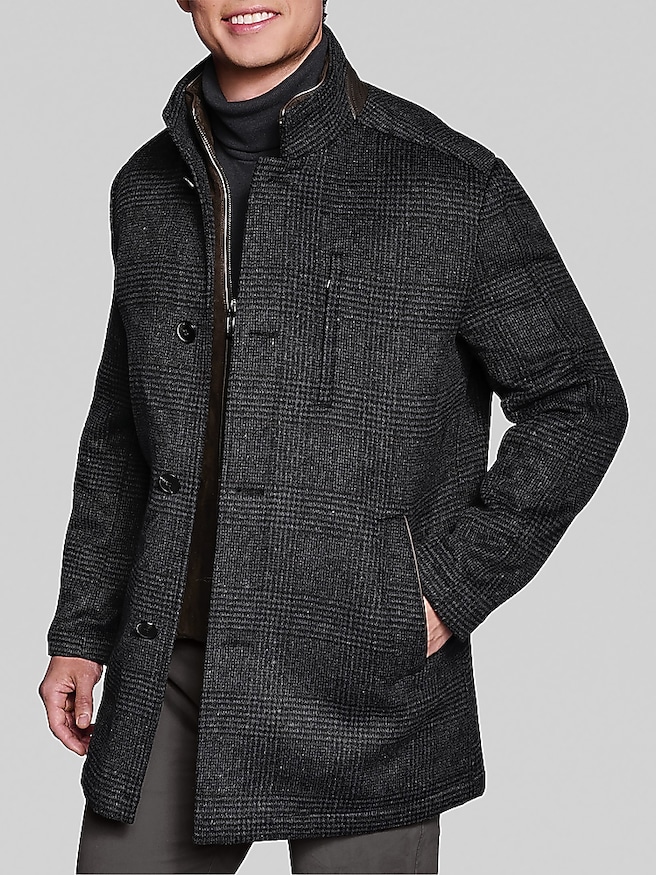
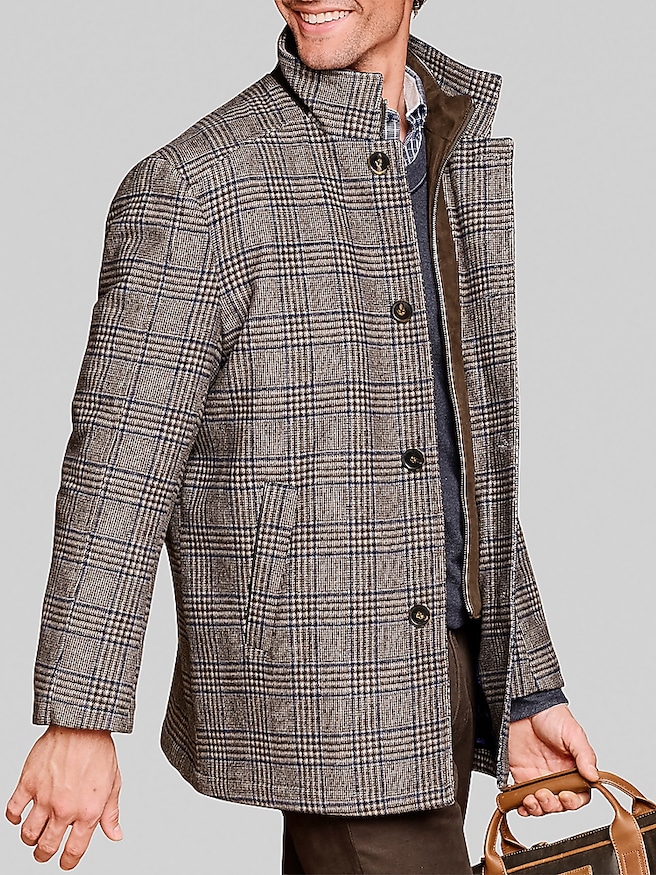
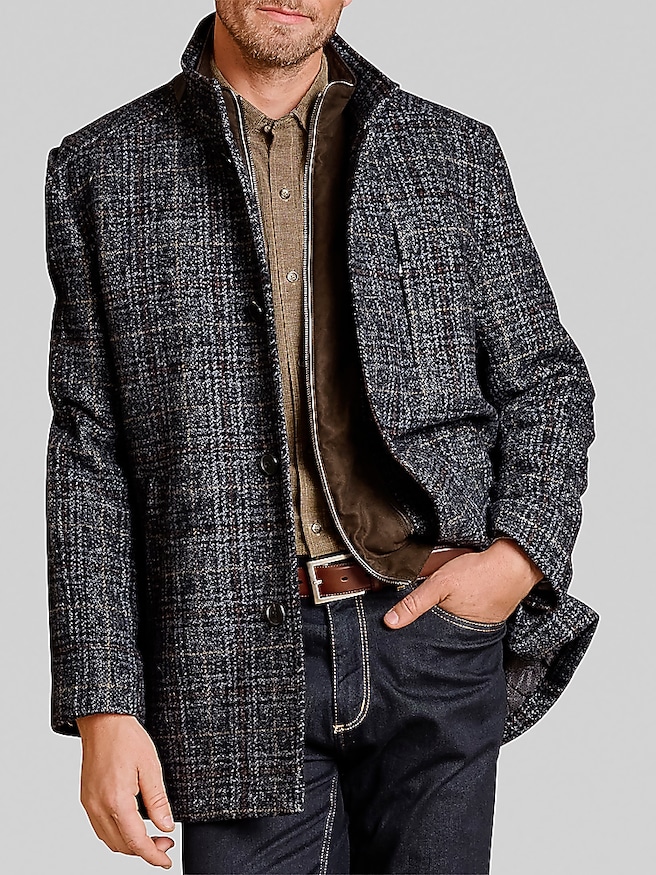
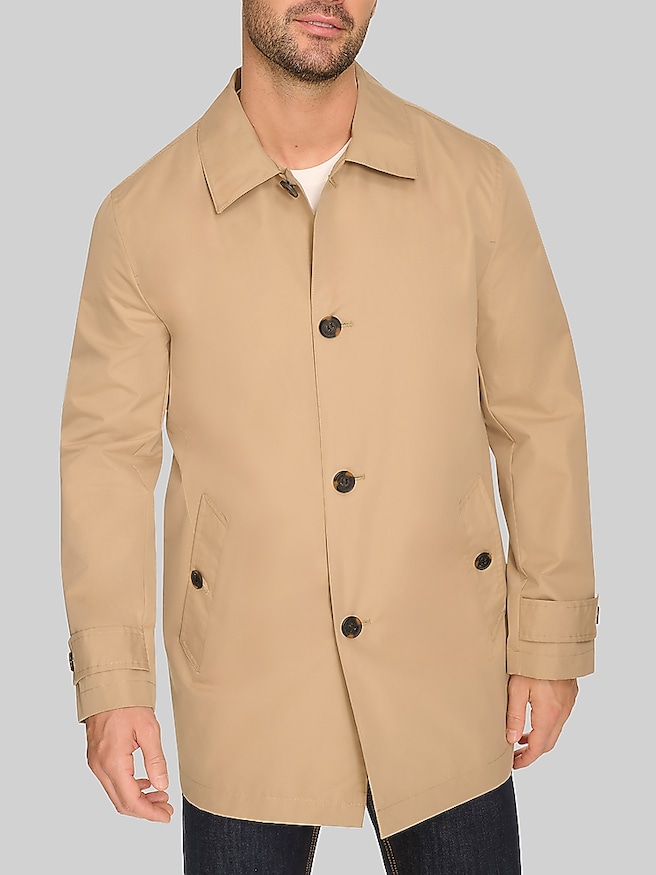
Layering jackets are versatile pieces designed to add warmth without the weight or stiffness of a heavy winter coat. They work as a comfortable mid-layer between a moisture-managing base layer and a protective outer shell, helping create a flexible system for changing conditions. On a cool morning, a lightweight jacket may be all that is needed over a shirt. As temperatures drop, it can fit neatly beneath a weather-resistant coat to trap warm air while keeping movement easy. This adaptability makes layering jackets useful for daily commutes, weekend travel, outdoor walks, stadium seating, and long stretches spent moving between heated interiors and crisp open air. The most effective combination usually begins with a base layer that sits comfortably against the skin and helps move perspiration away from the body. Mid-layers then provide insulation by holding pockets of warm air, while an outer layer helps block wind, rain, or snow. Avoiding bulky combinations allows each layer to do its job while preserving a clean silhouette. For more guidance on coordinating garments through cold conditions, explore Layering Clothes For Winter.
When choosing a layering jacket, consider the setting, the temperature range, and the clothing it will be worn with most often. Fleece offers soft warmth, dependable breathability, and a relaxed feel that works well for errands or outdoor plans. Lightweight insulated styles provide additional heat without the puffiness of a full winter coat, making them convenient for travel and daily wear. Synthetic insulation can be especially practical when damp conditions are possible, while down-style insulation is valued for its warmth-to-weight ratio and easy packability. Look closely at the fit through the shoulders, chest, and sleeves. A jacket should leave enough room for a shirt or sweater underneath without pulling across the back, yet it should not hang so loosely that warmth escapes around the hem and cuffs. Features such as a full front zip, secure pockets, an adjustable hem, and a stand collar can make a noticeable difference on windy walks or chilly commutes. A smooth outer finish may slide more easily beneath a shell, while a textured interior can add comfort when worn over a simple tee. Neutral colors coordinate easily with denim, chinos, dress trousers, and work-ready separates, while a richer seasonal shade can bring visual interest to an otherwise understated wardrobe. Pay attention to care instructions as well, since regular washing and proper drying help preserve loft, softness, and shape over time.
Layering jackets also make thoughtful gifts because they combine practical value with personal style. They suit someone heading to a new job, preparing for a trip, spending more time outdoors, or building a wardrobe that can handle unpredictable temperatures. A commuter may appreciate a streamlined layer that slips beneath a coat on a windy train platform, while an active recipient may prefer a breathable option that allows comfortable movement on a trail or during a brisk walk. For someone who travels often, a lightweight jacket that folds into a carry-on without taking up much space can become a dependable companion. During the cooler months, these pieces are useful at nearly every part of the day: over a button-down during an early departure, beneath a shell during a damp afternoon, or worn indoors after the temperature drops at sunset. The best choice reflects the recipient’s routine and existing closet. Consider whether he typically wears tailored clothing, casual basics, athletic-inspired pieces, or a mix of all three, then look for a silhouette that complements those habits. A well-chosen layering jacket should feel natural rather than precious—a garment that gets reached for when the air turns sharp, the forecast shifts, or the path from home to destination includes several different environments. With the right balance of insulation, breathability, mobility, and fit, it becomes one of the most useful layers in a cold-weather wardrobe.