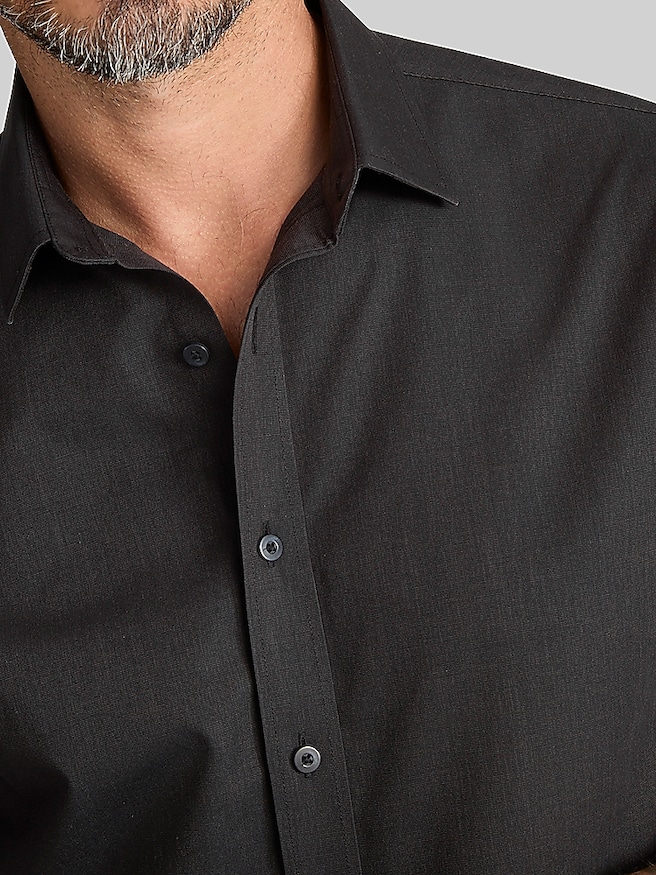
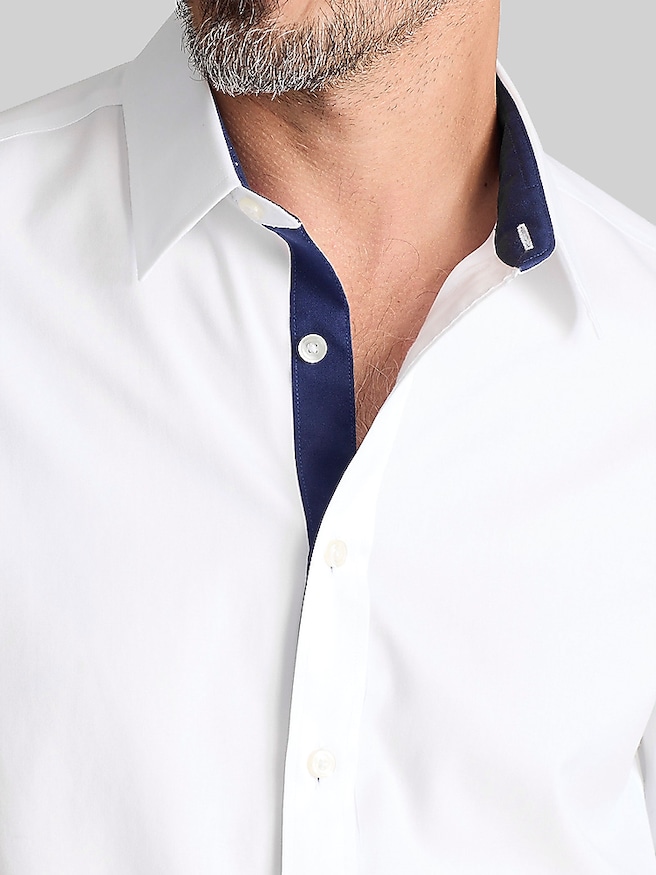
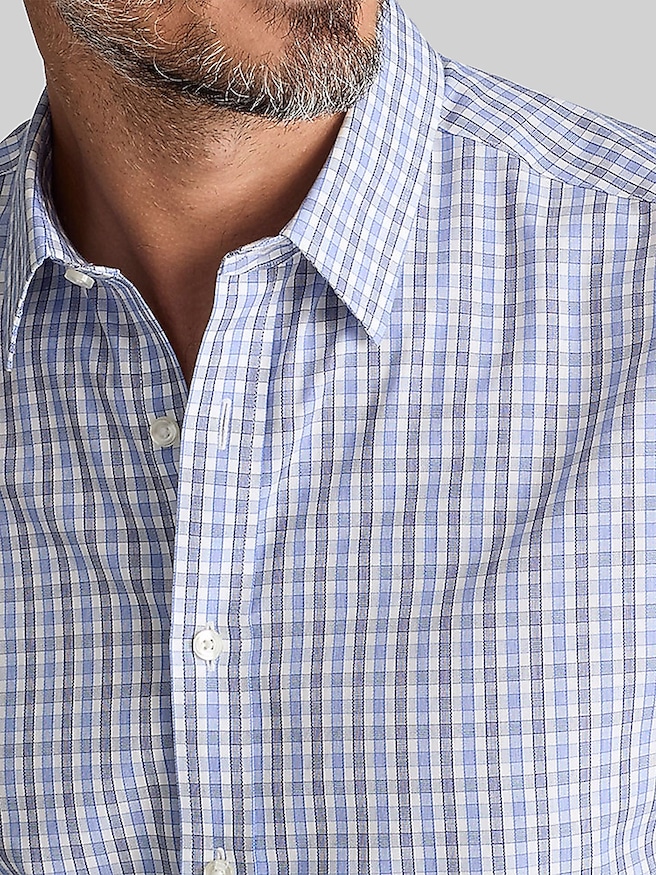
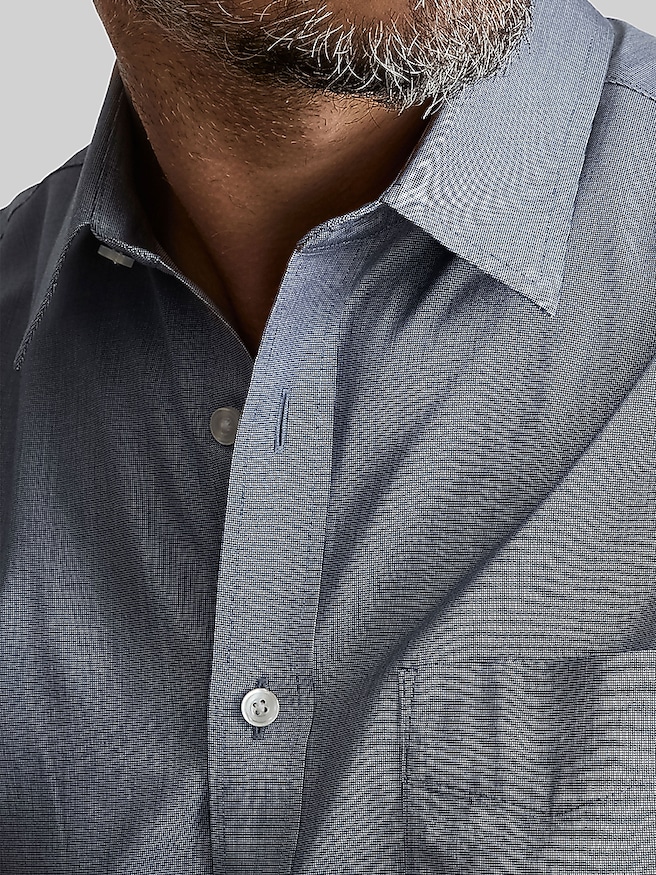
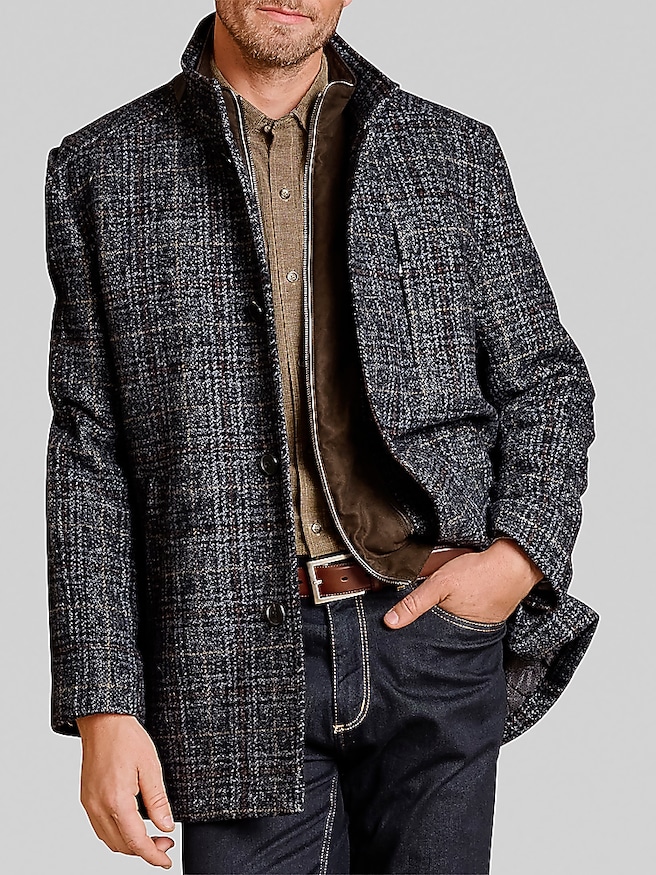
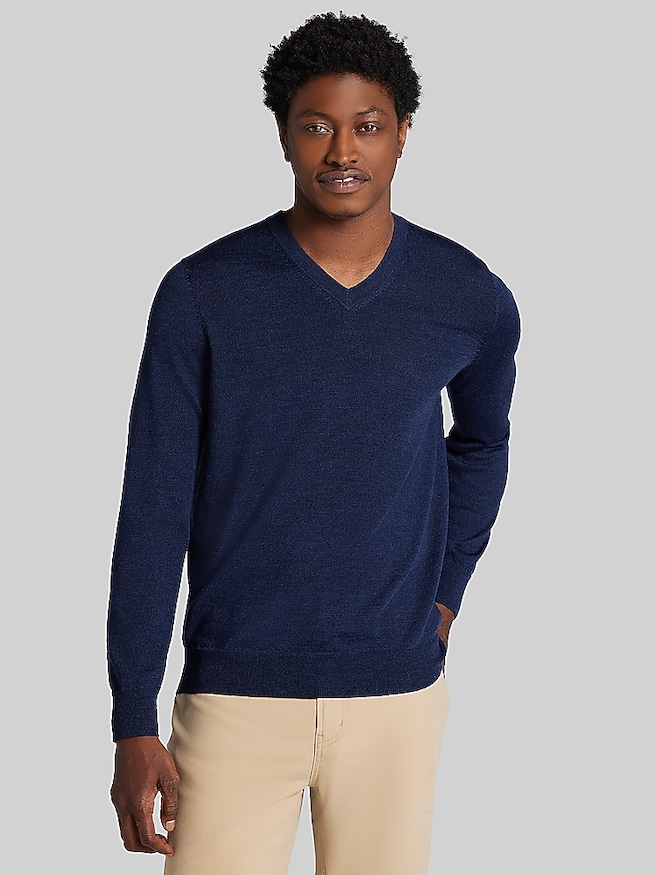
Layering shirts are shirts worn beneath or over other garments to create a comfortable outfit with depth, balanced proportions, and room to move. A lightweight shirt can form a smooth foundation beneath a sweater or jacket, while a more substantial woven shirt can sit over a tee as an open, relaxed layer. The distinction comes down to fabric weight, cut, and construction rather than a single shirt style. For men moving between office settings, casual dinners, and time away from work, these shirts make familiar clothing combinations more adaptable without requiring an entirely separate wardrobe for each occasion. A fine cotton crewneck beneath an unbuttoned shirt creates a casual frame around the neckline; a button-down beneath a fine-gauge sweater brings a collar and a little structure into view. Under a sport coat, a smooth shirt provides a clean backdrop for the jacket’s texture and shape. The most useful combinations generally place lighter, closer-fitting fabrics next to the body and allow more space in each layer above them. Close-fitting should still mean comfortable: a foundation shirt needs enough ease for sitting, reaching, and bending without pulling across the chest or gathering beneath the arms. Cotton offers a soft feel and breathability, while cotton blends may add stretch, shape retention, or easier care, depending on their composition. Fine jersey knits tend to follow the body with less bulk, and lightweight woven fabrics offer a more defined surface beneath tailored clothing. Fabric opacity matters, too, especially when a pale shirt is worn on its own or over a contrasting base. A low-profile neckline can remain out of sight beneath an open collar, while a visible crewneck becomes part of the outfit’s color palette. Neither approach is inherently dressier in every setting; the overall effect depends on how neatly the fabrics lie, how the collar sits, and how the shirt relates to the clothing around it.
Fit is especially important with shirts for layering because a comfortable shirt worn alone may behave differently beneath another garment. Shoulder seams that sit near the natural shoulder help reduce excess fabric at the upper arm, while a clean sleeve shape is less likely to bunch inside a sweater or jacket. Armholes should allow movement without creating folds across the chest when the arms come forward. A touch of stretch can help with everyday movement, but it does not replace adequate room through the torso. For an untucked shirt worn open over a tee, the hem should look intentional alongside the base layer rather than conceal it completely or leave an uneven strip of fabric showing. A shirt intended to stay tucked needs enough length to remain secure when sitting down or reaching overhead. Collar shape also affects versatility. A button-down collar can hold its position beneath knitwear, while a softer collar gives an open shirt a less structured appearance. Cuffs should close comfortably at the wrist without feeling restrictive beneath another sleeve. These small details become noticeable during an ordinary day: typing at a desk, carrying a bag, or leaning across a restaurant table. Texture and color offer another way to give layered clothing definition without adding unnecessary volume. Smooth cotton beneath a brushed woven shirt creates a subtle contrast, and a fine knit beside a more pronounced weave makes each surface easier to distinguish. Tonal combinations can look just as deliberate as stronger contrasts when the shades or textures vary slightly. Navy over a lighter blue, for example, gives the eye a clear outline without a sharp visual break. A patterned shirt can serve as the main point of interest, with a solid base keeping the neckline uncluttered. When several layers will remain visible, restrained patterns and compatible proportions help the outfit feel cohesive rather than crowded. The goal is clothing that works together, not a requirement that every layer compete for attention.
The intended use of a layering shirt should carry as much weight as its appearance. For office wear, a smooth finish, a collar that settles neatly, and a hem that stays tucked can make the shirt easier to pair with trousers and tailored jackets. For travel or long stretches of sitting, softness, comfortable seams, and freedom through the shoulders may matter more. A casual woven shirt worn over a tee offers flexibility for a weekend lunch, a family gathering, or a relaxed workplace, while a lightweight shirt beneath knitwear keeps the outline cleaner when a jacket goes on top. For combinations centered on that seasonal wardrobe, Mens Fall Layering provides a related focus. Whatever the setting, durability depends on both construction and care. Even stitching, secure buttons, and neatly finished seams are useful details to consider because collars, cuffs, and underarm areas experience repeated friction. Fabric weight alone does not establish quality; a lighter shirt can hold up well when its construction suits its purpose and its care requirements are followed. Cotton may shrink under high heat, some blends need particular drying settings, and textured fabrics can require extra attention to preserve their surface. The garment’s care label is the best reference for washing, drying, and ironing. Prompt stain treatment according to those directions, avoiding an overloaded washer, and putting shirts away fully dry can help maintain their appearance. Knit shirts may keep their shape better folded if hanging stretches the shoulders, while woven shirts often benefit from hanging with the collar and placket aligned. For a gift, layering shirts make the most sense when the recipient’s size, preferred fit, and usual clothing combinations are known. Someone who regularly wears sweaters may appreciate a smooth, low-bulk foundation, while someone who favors casual separates may get more use from a shirt comfortable enough to wear open or buttoned. Familiar colors and manageable care requirements can make a thoughtful choice easier to use repeatedly. Across those needs, a useful layering shirt earns its place through comfortable proportions, compatible fabrics, and the ability to look finished both within an outfit and on its own.