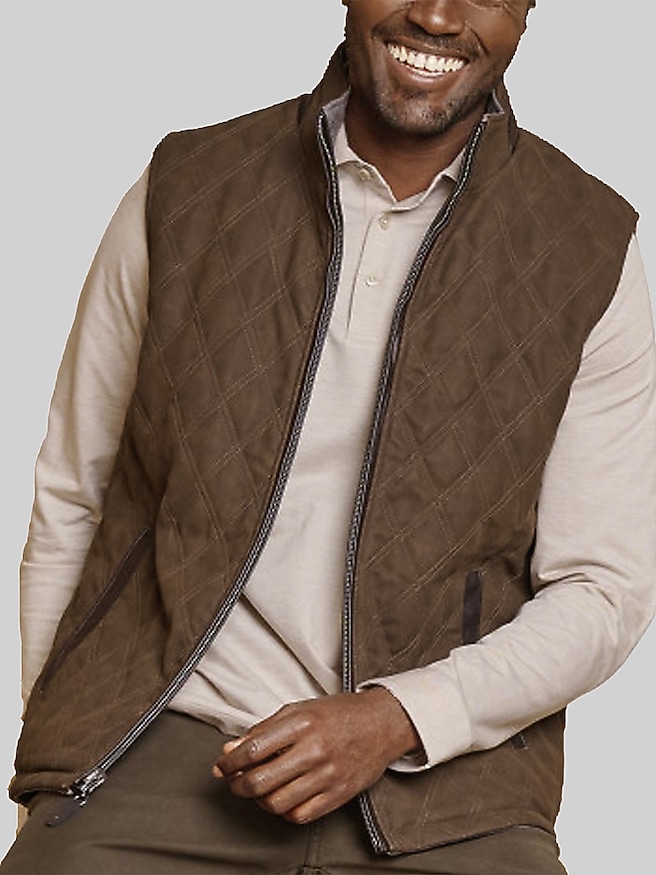
Men's winter layering brings together close-fitting basics, insulating knitwear, and protective outerwear to create warmth without unnecessary bulk. Each piece has a distinct role: a base layer helps manage moisture next to the skin, a middle layer holds warm air, and an outer layer provides coverage against the conditions its fabric and construction are designed to handle. A separate shirt or tailored jacket can add structure, although not every outfit needs four layers. The right combination depends on how much time is spent outside, the amount of movement involved, and whether the destination is a heated office, a restaurant, or a seat near the stadium entrance. Fine-gauge merino wool offers insulation in a relatively thin knit, making it useful beneath a sport coat or a trim winter jacket. Cashmere has a soft feel and warmth with little weight, while wool blends can combine insulating properties with added strength or easier maintenance, depending on their composition. Synthetic performance fabrics can help move perspiration away from the body and dry quickly, qualities that matter on a brisk walk to the train or an active afternoon outside. Cotton shirts and knits remain comfortable options for dry, mostly indoor settings, but cotton absorbs moisture and dries more slowly, making it less suitable against the skin during sustained activity in the cold. Fabric weight matters as much as fiber content. A substantial cable knit provides texture and insulation but needs more room beneath a coat than a smooth, lightweight sweater. Brushed fabrics feel soft and can hold warmth, while tightly woven outer fabrics may limit drafts more effectively than open knits. Wool outerwear suits many everyday cold-weather settings, but warmth alone does not establish rain protection. Water resistance, waterproof construction, insulation, and breathability are separate features, so a polished topcoat and a technical winter shell serve different purposes even when both complete a layered outfit. These distinctions make winter clothing easier to match to an actual routine rather than simply the lowest temperature on a forecast.
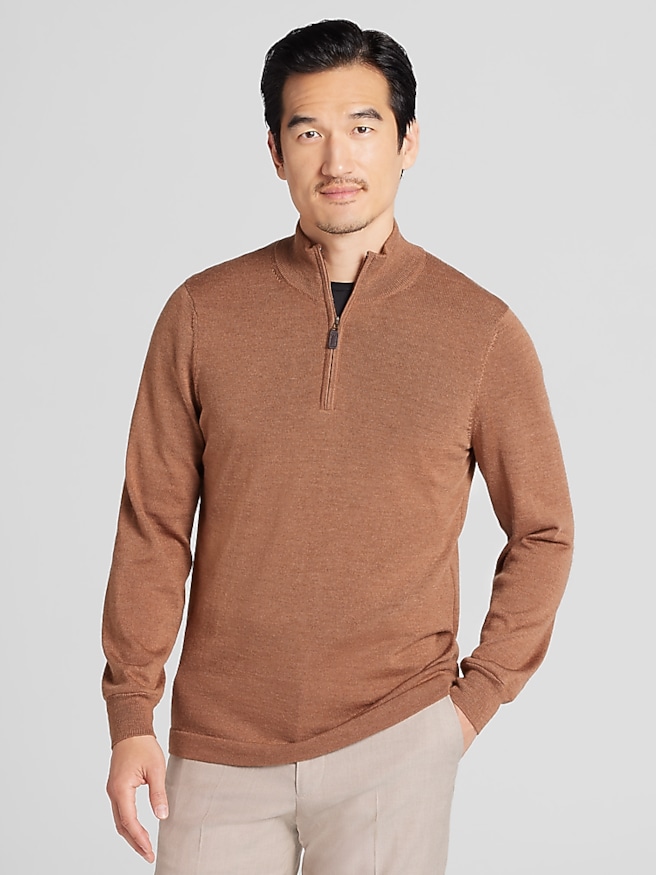
Fit determines whether winter layers feel comfortable together or compete for space. A base layer should sit close enough to work beneath clothing without bunching, while shirts and sweaters need sufficient ease through the shoulders, chest, and upper arms for natural movement. An outer layer has to accommodate everything underneath without pulling across the back or compressing insulation. Room to reach for an overhead rail, carry a briefcase, or settle into a car seat matters more than a smooth appearance while standing still. Sleeve openings also deserve attention: several tight cuffs stacked at the wrist can feel restrictive, and an overly narrow coat sleeve can catch on a textured sweater. Men's winter outfits often work best when fabric thickness builds gradually, with a lighter shirt beneath a medium-weight knit and a coat cut to cover both comfortably. For an office commute, a fine sweater over a collared shirt keeps the silhouette neat beneath tailored outerwear, then remains appropriate when the coat comes off. A quarter-zip offers adjustable coverage at the neck and works naturally with chinos or wool trousers. A cardigan provides an easy-to-remove layer for buildings where indoor temperatures vary from room to room. On less formal days, an overshirt can bring structure to a simple knit and jeans without the formality of a jacket. Color and texture give these combinations depth without requiring complicated styling. Charcoal, navy, brown, and olive can sit comfortably together, while a lighter shirt or subtle pattern keeps dark layers from blending into one block. A ribbed knit against a smooth woven coat adds visual interest; several thick, highly textured pieces can feel crowded. Necklines influence the finished look, too. A crewneck frames a shirt collar differently than a V-neck, while a turtleneck creates a continuous line beneath a jacket. Scarves, gloves, and hats extend coverage where cold air enters, but their weight should suit the outfit and the activity. A long outdoor walk calls for more protection than the short distance between a parking garage and an office lobby.
Well-made winter layering pieces earn their place through repeated wear, and durability depends on both construction and care. Even stitching, secure buttons, stable seams, and ribbed edges that recover their shape are useful details in clothing that will be pulled on and taken off throughout the day. Areas exposed to friction, including sweater underarms, cuffs, and the points where a shoulder bag rests, often show wear first. Pilling can occur even in soft, high-quality knits, particularly where fibers rub together; careful removal with a suitable fabric tool can improve their appearance without aggressive brushing. Care labels remain the best reference because two garments that look similar may have different washing and drying requirements. Some wool blends tolerate machine washing on a specified cycle, while other knits need hand washing or professional cleaning. Excess heat and agitation can shrink or distort certain fibers, and hanging a heavy, wet sweater can stretch its shoulders and length. Drying knitwear flat when directed helps preserve its shape, while folding sweaters for storage avoids the shoulder marks that hangers can leave. Coats generally benefit from supportive hangers, room for air to circulate, and prompt attention to surface dirt according to their care instructions. Allowing damp clothing to dry thoroughly before storage helps protect its condition, and outerwear with a specialized finish may require particular cleaning products to maintain its performance. A wardrobe centered on Men's Layering Essentials For Cold Weather has value beyond a single outfit: compatible weights, familiar fits, and coordinated colors make the same pieces useful for workdays, weekend plans, and travel. For gifting, soft knitwear and cold-weather accessories can be thoughtful choices when the recipient's preferred fabrics, usual colors, and care habits are known. Someone who walks to work may appreciate warmth with minimal bulk, while someone moving between meetings may get more use from a breathable, removable layer. The most practical winter clothing supports those everyday habits, remaining comfortable outdoors and manageable once the coat comes off.