Men’s Layering Essentials For Cold Weather make it easier to stay comfortable when outdoor temperatures shift throughout the day. A dependable cold-weather outfit usually works best when built in three parts: a close-fitting base layer that helps manage moisture, a warm middle layer that holds in heat, and an outer layer that blocks wind and precipitation. This approach provides flexibility for changing conditions, whether the day includes a brisk commute, time spent outdoors, a weekend gathering, or an evening walk through a chilly downtown. The base layer should sit comfortably against the body without restricting movement. Moisture-managing synthetic fabrics and merino wool are popular choices because they can help move perspiration away from the skin and dry more readily than heavy cotton. Merino also has natural temperature-regulating and odor-resistant qualities, making it useful for travel, long workdays, and active routines. Choose a smooth, low-bulk fit beneath shirts and sweaters so the outfit remains comfortable rather than cramped. A slightly heavier base layer can provide welcome warmth in colder conditions, while a lighter option may be more practical when moving between heated interiors and the outdoors. Pay attention to neckline, sleeve length, stretch, and the way seams feel beneath other clothing. Small details matter when a layer is worn for hours at a time, especially beneath tailored garments or a fitted jacket.
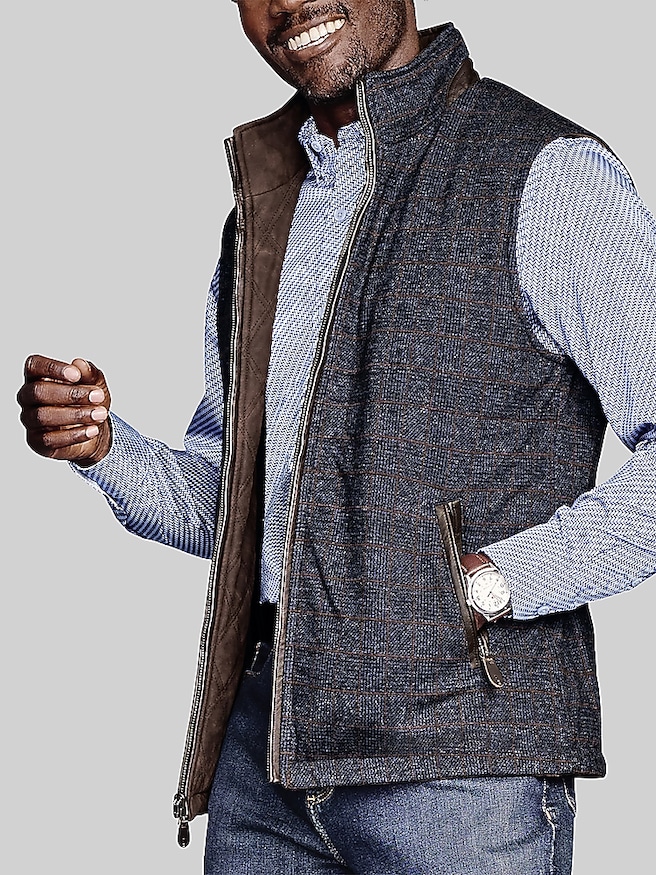
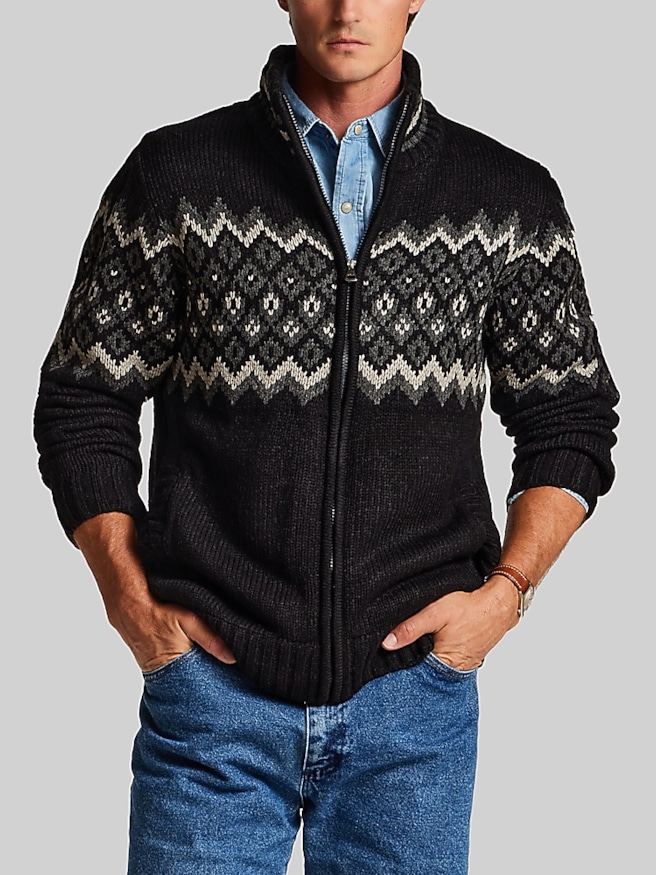
The middle layer is where warmth and personal style come together. A knit sweater, flannel shirt, fleece layer, or insulated vest can add heat without requiring a bulky coat indoors. Textured knits bring depth to simple outfits, while a brushed shirt layer offers a relaxed appearance that works well with denim, chinos, or casual trousers. For more active days, breathable fleece and lightweight insulated layers allow the arms and shoulders to move freely while helping retain warmth around the core. An insulated vest can be especially useful for someone who spends the day moving between a desk, a vehicle, and outdoor spaces; it adds protection across the chest and back while leaving the sleeves open for easy movement. When selecting a middle layer, consider the space beneath the outer garment. A thick sweater may feel comfortable under a roomy parka but too restrictive beneath a close-cut topcoat. Layering also works best when each piece serves a clear purpose: the first layer manages moisture, the second preserves warmth, and the final layer shields the outfit from the elements. For office commuters, a refined sweater or vest can transition from a cold walk to an indoor meeting. For students, travelers, and anyone with an active schedule, easy-care fabrics, secure pockets, and pieces that fold neatly into a bag can make daily dressing simpler. These items can also make thoughtful gifts because they combine practical comfort with frequent wear. A versatile sweater, warm overshirt, or lightweight insulated layer can suit a father, partner, brother, colleague, or friend who spends time outdoors and appreciates clothing that works across several settings.
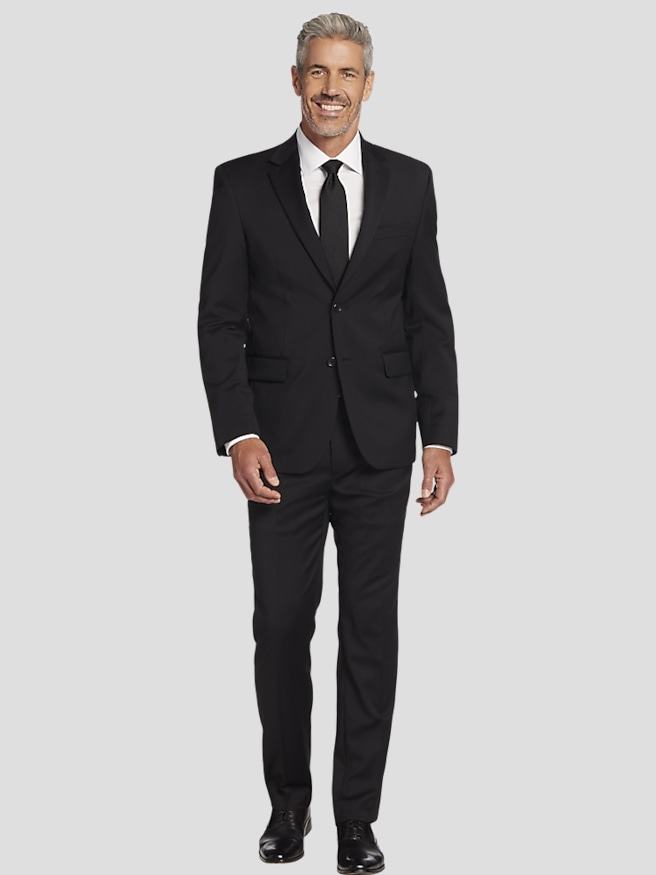
The outer layer completes the system by standing between the wearer and cold wind, rain, sleet, or snow. Look for a jacket or coat with enough room for the layers underneath, while still offering a clean shape that does not feel oversized. Water-resistant or waterproof materials can help during wet commutes, and a wind-blocking construction is valuable when temperatures feel sharper than the thermometer suggests. Longer coats provide additional coverage for formal clothing and business attire, while parkas and heavily insulated jackets are well suited to extended time outside. Features such as a lined hood, adjustable cuffs, a secure front closure, and protected pockets can add noticeable comfort during cold-weather travel. Color is another practical consideration: navy, charcoal, black, olive, and brown coordinate easily with workwear and casual wardrobes, while a subtle pattern or richer seasonal tone can add character without limiting outfit options. Complete the look with warm accessories that protect areas most exposed to the cold, including a dense pair of socks, insulated footwear, a knit hat, and gloves that allow easy handling of keys or a phone. The best combination depends on local conditions, daily activity, and how often the wearer moves between heated and unheated spaces. Someone in a mild climate may need a breathable base layer and a lighter jacket, while someone facing persistent snow and freezing wind may prefer a heavier insulating layer and a protective parka. For additional cold-weather wardrobe ideas, explore Mens Winter Essentials. With the right combination of close-fitting essentials, comfortable insulation, and weather-ready outerwear, dressing for the cooler months becomes more adaptable, polished, and comfortable from the first crisp morning through the heart of winter.