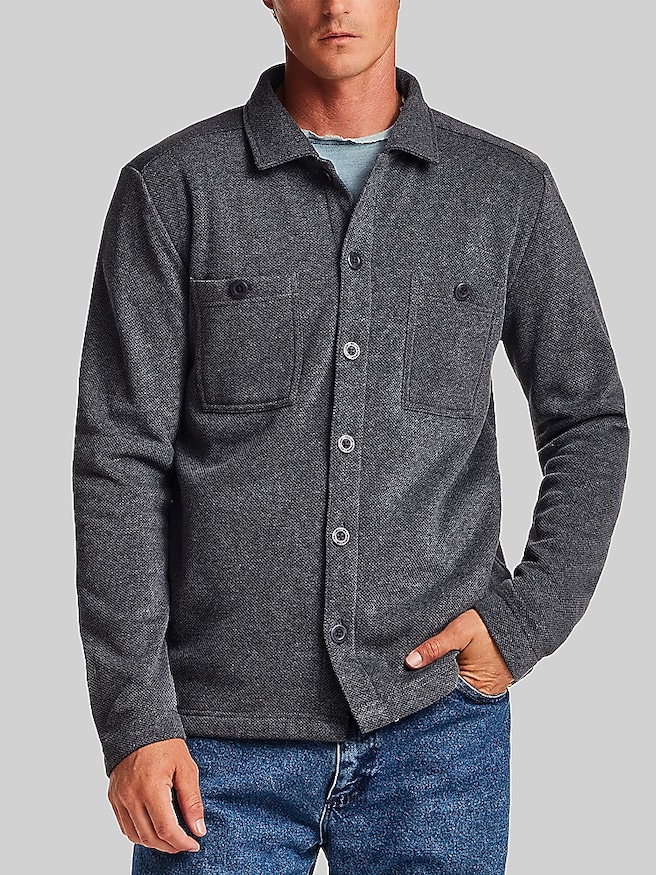
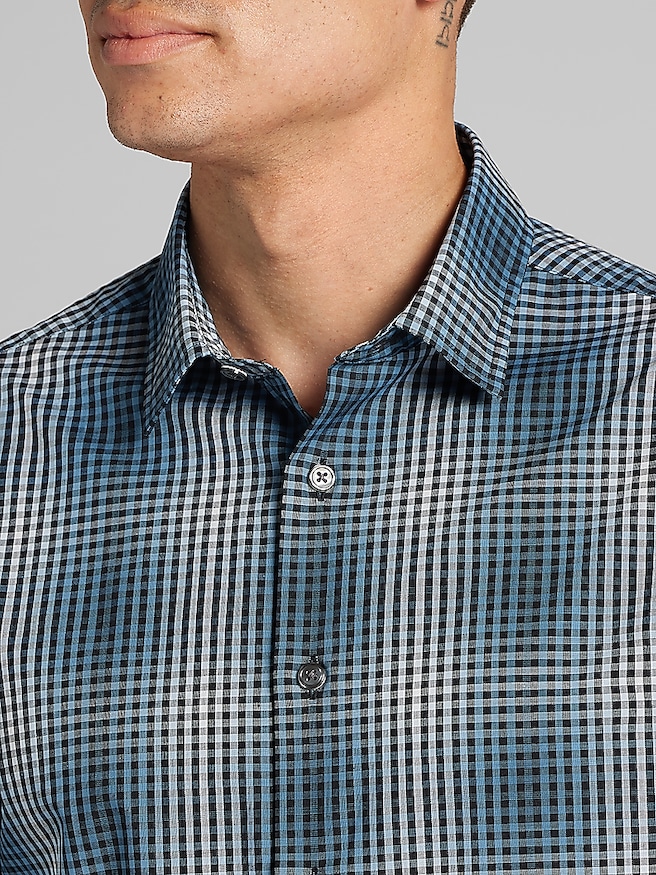
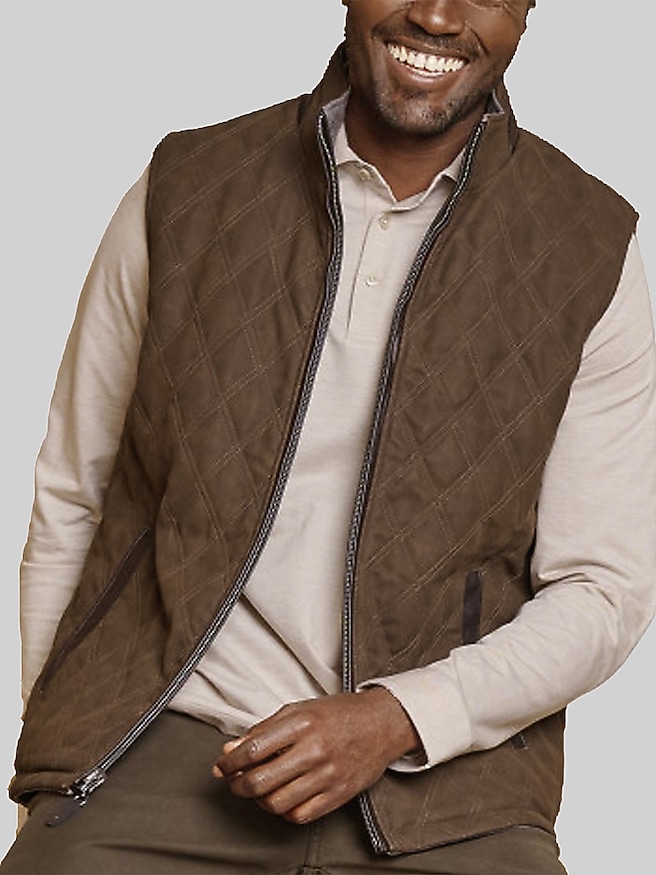
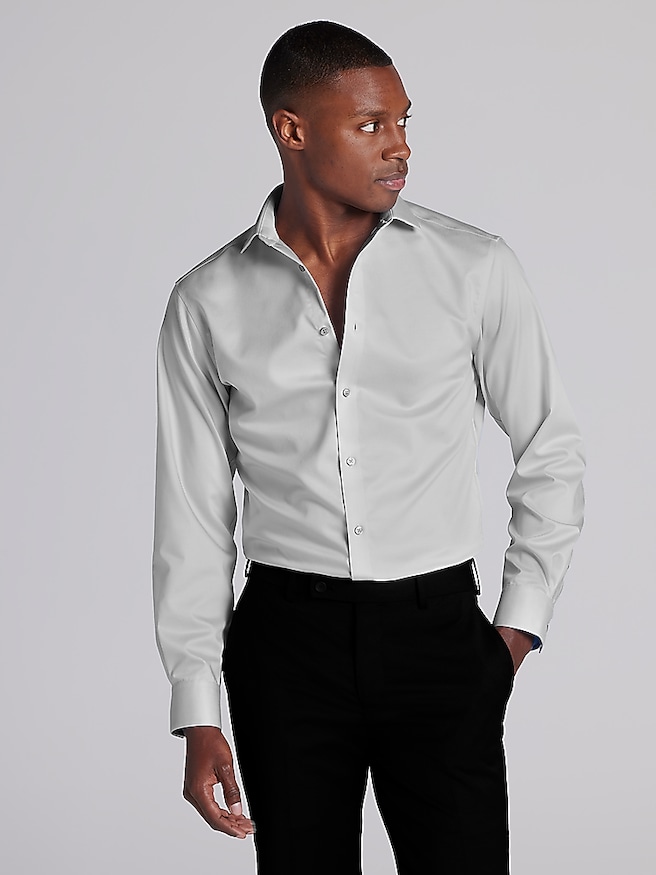
Men’s shackets for layering combine the familiar shape of a button-front shirt with the added substance of a lightweight jacket. Also called shirt jackets or overshirts, they typically have enough room to sit comfortably over a T-shirt, henley, or fine-knit sweater without the bulk of a heavy coat. That middle ground makes them useful during the cooler months, when a brisk walk from the parking lot can give way to a warm office, restaurant, or train car. Worn open, a shacket creates a relaxed outline and lets the base layer show; buttoned, it brings a little more structure and coverage. Fabric has a big influence on how that layer feels and where it fits into a wardrobe. Cotton twill has a defined diagonal weave and a substantial hand that works naturally with denim and chinos. Brushed flannel feels softer against the skin, with a lightly fuzzy surface that adds warmth and softens the look of checks or plaid. Corduroy brings visible texture through its raised ribs, giving even a simple solid color more depth. Wool and wool-blend shirt jackets can provide warmth without requiring an especially thick profile, though the feel, weight, and care needs depend on the blend and construction. Lighter, unlined versions suit mild afternoons and indoor wear, while lined or insulated constructions offer more protection from a chill. A quilted lining can add warmth and help the jacket slide over knitwear, depending on its fabric; a plush lining generally takes up more space and feels cozier. None of these details alone makes a shacket a substitute for a winter coat, and an ordinary woven shell should not be assumed to block wind or shed rain. Their appeal is adaptable coverage: a comfortable outer layer when conditions are mild and, with the right proportions, an extra layer beneath heavier outerwear when temperatures drop.
The best fit for a layering shacket leaves usable space through the shoulders, upper arms, and chest while still looking intentional over a thin base layer. A shirt jacket that fits neatly over a T-shirt may feel restrictive over a hoodie, so the clothing beneath it matters as much as the size on the label. With the front fastened, the placket should lie reasonably flat rather than pull open between buttons, and reaching forward should not create a tight band across the back. Some designs have a traditional shoulder seam, while others use a dropped shoulder for a looser silhouette; the important distinction is comfortable movement rather than extra fabric everywhere. Sleeves need enough room for an underlying sleeve without bunching heavily at the elbow or swallowing the hands. Length changes the overall effect, too. A shorter hem can look balanced with fuller trousers, while a slightly longer shirt-tail shape gives relaxed coverage over jeans. Straight hems tend to read more like outerwear, particularly when worn open. For everyday combinations, a brushed plaid shacket over a plain crew-neck tee offers texture without needing much else, especially with dark denim and leather sneakers. A solid navy, charcoal, olive, or tan overshirt can feel more polished over a fine-gauge sweater with chinos and boots. Corduroy over a smooth cotton base creates contrast that is visible without being loud, while a wool-blend layer over a lightweight turtleneck suits dinner plans or a casual office where a blazer would feel too formal. When a hoodie is part of the outfit, a roomier body and generously cut armholes help keep the layers from competing for space. Under an overcoat, a less bulky shacket with flatter pockets is generally easier to accommodate than a thick, heavily lined version. The broader combinations featured in Mens Winter Layering offer additional context for balancing base layers, intermediate warmth, and outer coverage.
Construction and care help determine how well a shirt jacket handles regular rotation. Secure buttons, neatly finished seams, and reinforced areas around frequently used pockets are useful details in a layer that may be pulled on for a commute, draped over a chair at lunch, and worn again for an evening out. Dense fabric can give a shacket a sturdy feel, but weight alone does not establish durability; the weave, fiber quality, stitching, and treatment all play a role. Chest pockets reinforce the overshirt look and provide a convenient place for small essentials, while side-entry pockets can be more comfortable for resting hands outdoors. Overfilling either can distort the front and interrupt an otherwise clean fit. Cuffs that open easily make it simpler to adjust sleeves over a watch or a thicker base layer, and a collar with enough body can keep its shape through repeated wear. Care should follow the garment’s label rather than a blanket rule for all shirt jackets. Some cotton and synthetic-blend fabrics tolerate machine washing, while certain wool blends, linings, and structured constructions need a gentler process or professional cleaning. Excessive heat can cause shrinkage or affect surface texture, so drying instructions deserve particular attention when preserving room for layers. Brushed fabrics and soft knits may develop pills in high-friction areas, such as beneath backpack straps or along the sides; appropriate fabric-care tools can help maintain their appearance when used carefully. Letting a shacket dry fully before storing it and keeping it on a supportive hanger can also help preserve its shape between wears. For commuters, travelers, students, and anyone whose day moves between indoor warmth and outdoor chill, this category offers a practical alternative to carrying a bulky jacket in mild conditions. It can also make a thoughtful gift for someone who favors comfortable, casual clothing but appreciates a finished look. A familiar color, a texture that suits the recipient’s wardrobe, and enough room for their usual sweater make that choice more personal. The lasting value of a well-chosen shacket is its place in everyday routines: substantial enough to add warmth, relaxed enough for downtime, and easy to combine with clothing already in regular use.