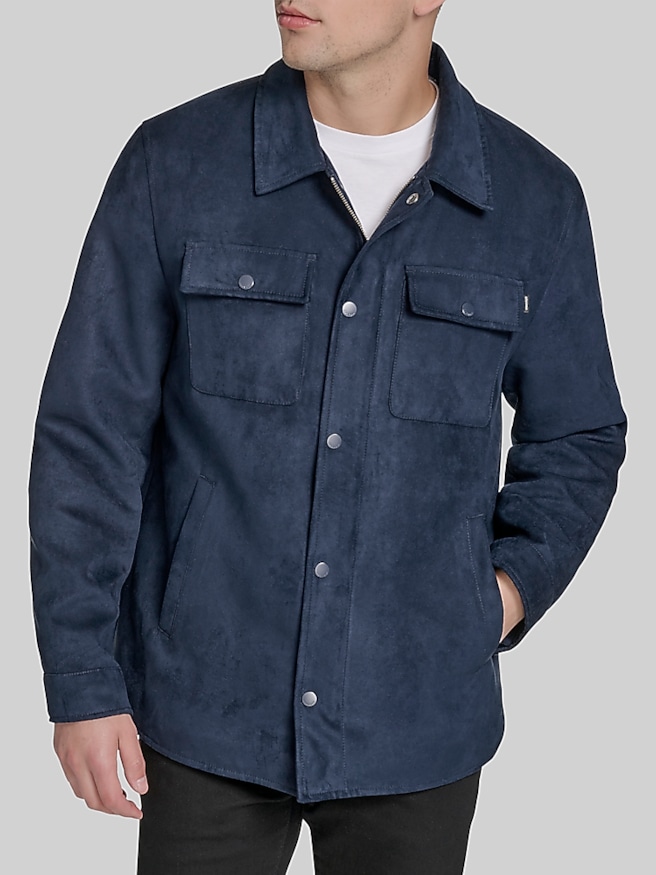
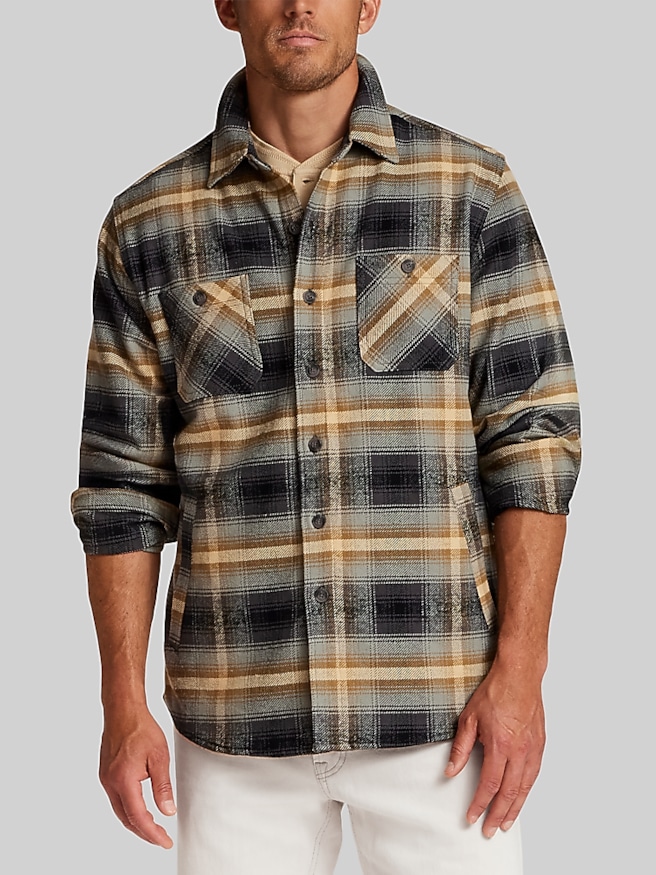
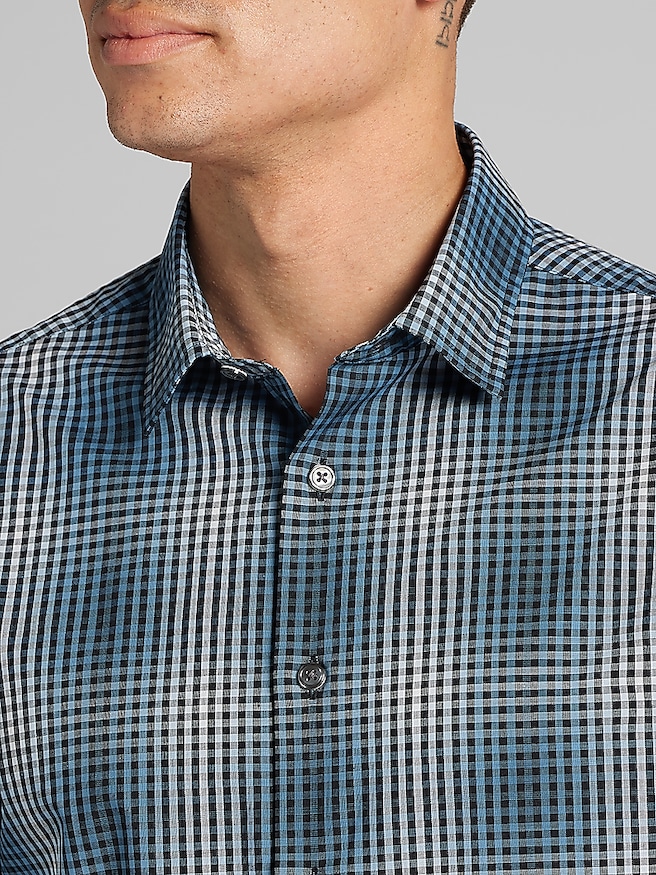
Unlined shirt jackets for layering combine the familiar shape of a button-front shirt with the room and substance of a casual jacket. Often called overshirts or shackets, they are made without a separate interior lining, allowing the main fabric to define their feel, drape, and weight. That construction can reduce bulk, but unlined does not always mean ultralight: a substantial cotton canvas overshirt has a firmer presence than one made from soft, finely woven twill. The appeal is an easy outer layer that looks intentional over a T-shirt, henley, or fine-gauge sweater without the structure of a tailored jacket. Point collars, chest pockets, buttoned cuffs, and straightforward closures give the category its shirtlike character, while a slightly roomier cut makes space for clothing underneath. Fabric choice has a noticeable effect on the finished look. Cotton twill typically offers a smooth surface with a subtle diagonal weave, making it a natural companion to chinos and clean leather sneakers. Canvas brings a more rugged texture and often holds a defined silhouette, especially before repeated wear softens it. Corduroy adds visible depth through its raised ribs, while brushed cotton has a softer surface that works well with denim and jersey basics. Wool blends can provide texture and a substantial hand, with softness, weight, and care needs depending on the fiber mix. A small amount of stretch may support movement, though fabric stretch is no substitute for enough room through the shoulders and upper arms. Solid colors emphasize the cut and texture; checks and other patterns give a simple outfit a stronger focal point. Dark navy, olive, charcoal, and earthy neutrals work easily with familiar wardrobe staples, while a bolder pattern can bring character to a plain tee and dark jeans. Because the inside is not covered by a separate lining, interior seam finishing and the feel of the fabric against an underlying layer are meaningful details, particularly when the jacket is worn open or with sleeves turned back.
Fit is what makes an unlined shirt jacket look like a purposeful layer rather than a shirt worn in the wrong size. A comfortable fit allows the front to close over the intended base layer without pulling between the buttons, while leaving enough space across the upper back to reach forward naturally. Shoulder seams should sit in a position that supports the intended silhouette; a deliberately relaxed shape may extend beyond the shoulder, but excess fabric should not overwhelm the frame. There should also be room to bend the elbows without the sleeves binding. Sizing up automatically can add unwanted length through the body and sleeves, so the garment’s measurements and fit description matter more than a larger size label alone. Someone who mainly layers over a trim cotton tee may prefer a closer profile, while someone who wears an overshirt over a textured knit will need more ease through the chest and arms. Length changes the balance, too. A shorter, straight hem creates a compact jacket shape, while a curved shirttail gives a more casual, shirt-driven finish. Either can work with jeans or chinos, provided the proportions feel balanced and the layer underneath does not bunch at the hem. Worn open, an overshirt frames a simple base layer and reveals the contrast between fabrics. Buttoned through the middle, it creates a cleaner front without needing every closure fastened. A white tee, dark denim, and an olive twill shirt jacket make an understated combination for a casual dinner; a fine-knit crewneck and neatly cut chinos give the same category a more polished direction for an informal workplace. For a relaxed weekend outfit, a henley and straight-leg jeans complement the workwear character of canvas or corduroy. Keeping the underlying layer relatively smooth helps the overshirt move freely, and choosing one dominant pattern keeps checks, textures, and accessories from competing.
Within the broader category of Unlined Jackets, shirt jackets offer a distinctive balance of familiar styling and practical layering space. Their usefulness often comes down to small construction details: a collar that sits neatly, cuffs that close comfortably, pockets positioned for easy access, and seams finished cleanly on the inside. Chest pockets reinforce a utility-inspired look, while side-entry pockets, when included, provide another practical option for small essentials. Carrying too much in any pocket can distort the front, so lighter contents help preserve the intended shape. Durability depends on more than fabric thickness. Secure buttons, even stitching, reinforced stress points, and sound pocket attachment all contribute to a garment that stands up to regular wear. Loosely woven fabrics and raised textures may need more care around rough surfaces, while sturdy twills and canvases can develop a softer, more lived-in appearance over time. Care should follow the garment label rather than assumptions about the category. Some cotton styles are machine washable, while wool blends, special finishes, and certain constructions may call for dry cleaning or another specific method. Closing fasteners before laundering, using only the recommended wash settings, and avoiding excessive dryer heat when the label advises against it can help protect the fabric and fit. Reshaping as directed and using an appropriate hanger or folded storage can also keep collars, shoulders, and hems looking tidy. For men building a flexible casual wardrobe, an unlined shirt jacket fills the space between a standalone shirt and a more structured outer layer, with enough versatility for errands, travel, casual gatherings, and relaxed office settings where the dress code allows. It can also make a thoughtful gift for someone who favors practical clothing with understated detail. A familiar color, a fabric suited to the recipient’s usual wardrobe, and a fit that accommodates favorite base layers make the choice feel considered. The result is a dependable piece that brings texture, proportion, and a finished appearance to everyday combinations without requiring complicated styling.