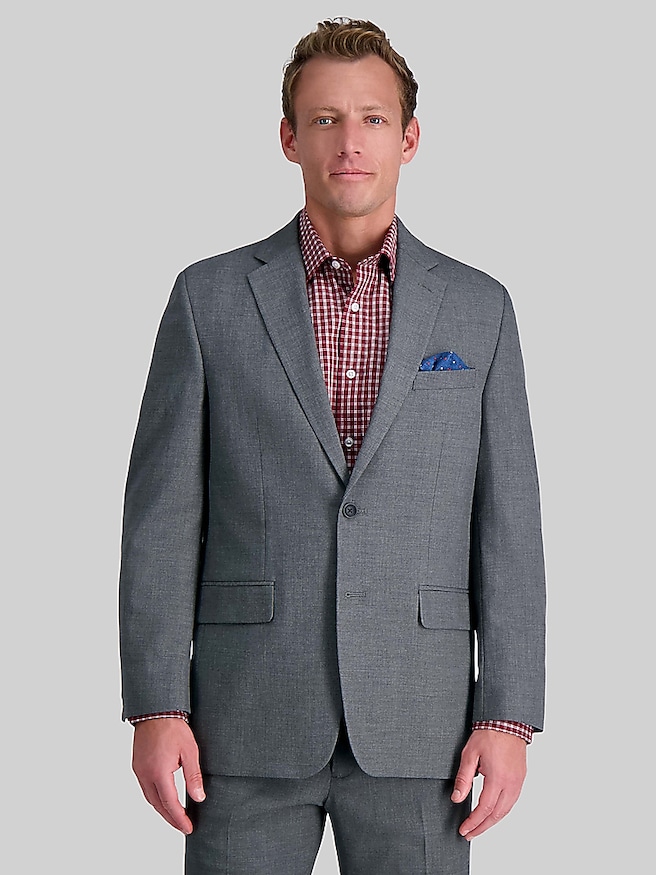
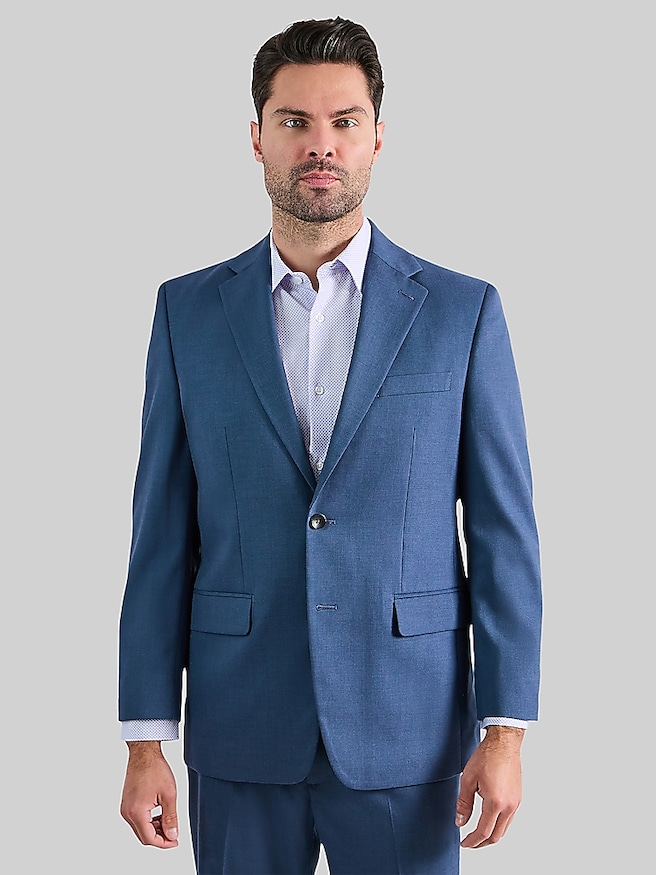
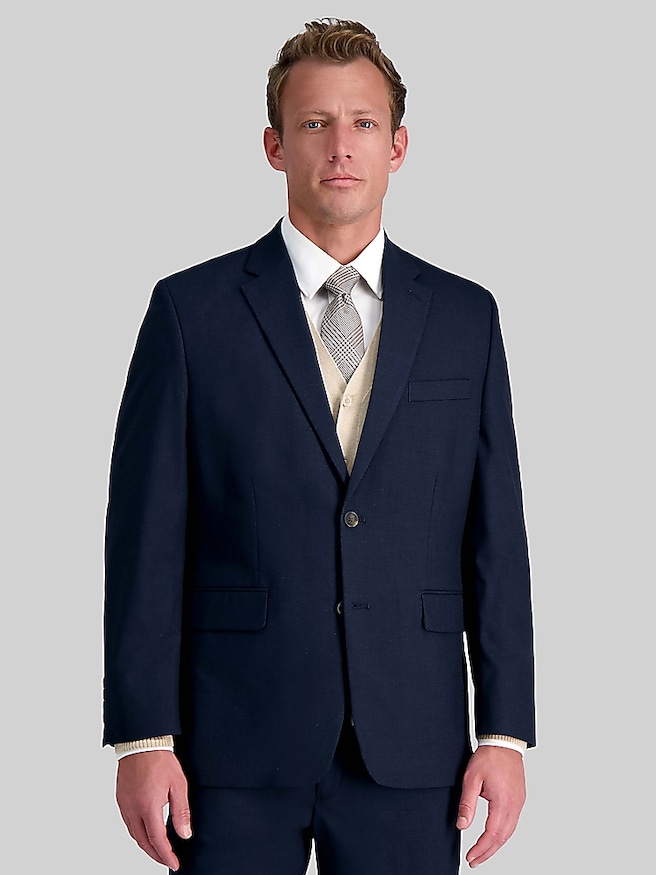
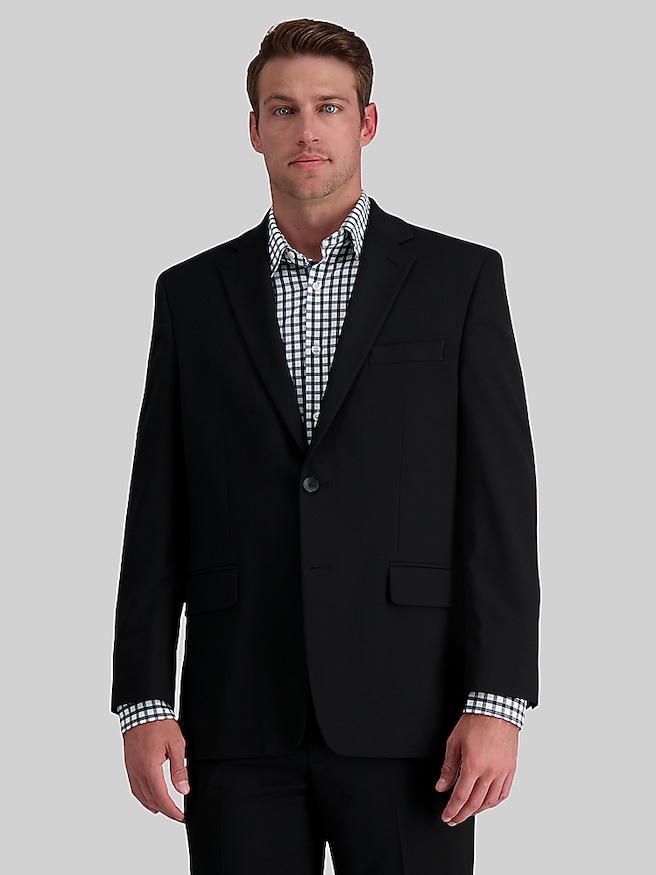
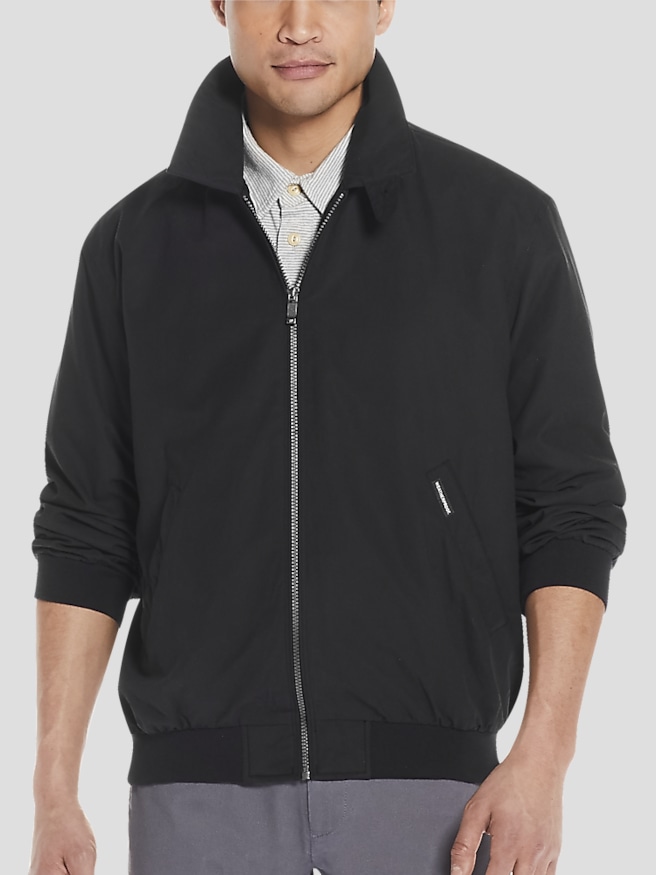
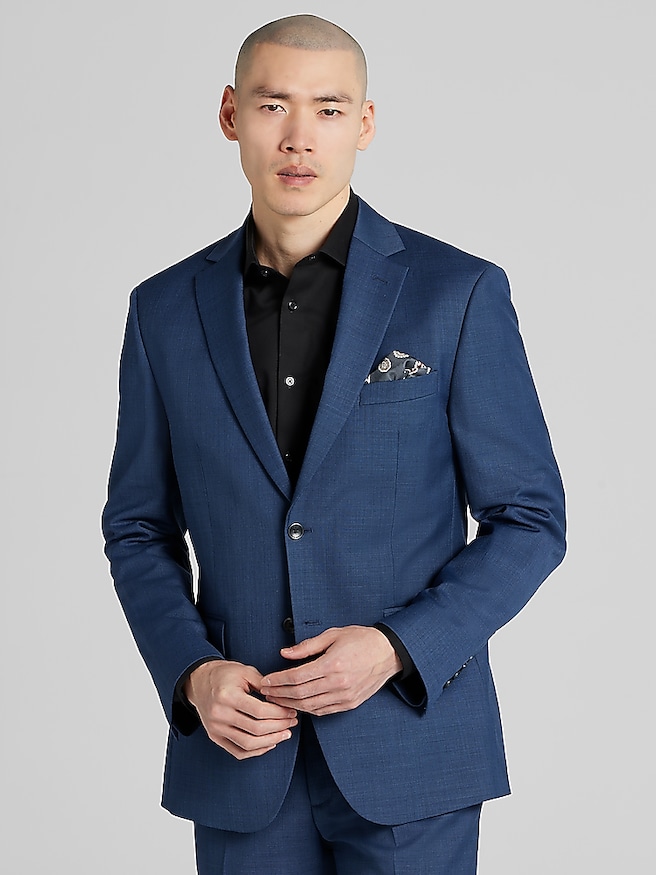
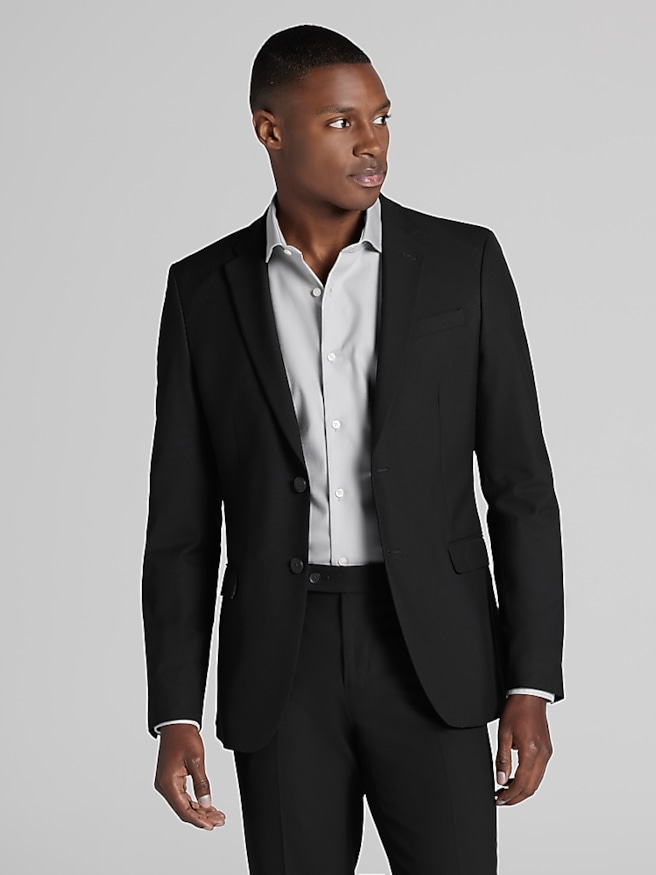
Unlined jackets offer a lighter, more relaxed approach to outerwear, combining the structure of a jacket with the easy movement of a shirt or sweater. As the name suggests, an unlined jacket does not include a separate interior layer sewn between the outer fabric and the wearer. Instead, the inside reveals the garment’s construction, including finished seams, pocket details and the reverse side of the shell material. This streamlined design reduces bulk and allows air to move more freely, making unlined jackets especially useful during transitional weather and cooler days that do not call for a heavy coat. They can be worn over a T-shirt, polo or button-down when the afternoon is mild, then paired with a sweater or knit layer as the temperature drops. The result is practical versatility without the stiff, overly insulated feeling that can come with traditional outerwear. Many men appreciate the way an unlined jacket drapes close to the body while still leaving room to move, whether they are walking through town, commuting to work or spending a relaxed afternoon outdoors. The absence of a lining can also make the jacket feel softer and more flexible, with a natural break-in quality that becomes increasingly comfortable over time. Depending on the fabric and silhouette, an unlined jacket can bring a casual finish to denim and sneakers, add polish to chinos and leather shoes, or provide a laid-back layer over tailored separates. Its clean profile makes it an easy choice for business-casual settings where a full suit jacket feels too formal but a sweatshirt feels too relaxed.
When choosing among unlined jackets, begin with the fabric, because the shell provides nearly all of the garment’s warmth, texture and weather resistance. Cotton and cotton-blend options tend to feel familiar and breathable, while denim offers a more substantial hand and a classic workwear character. Wool blends and other refined materials can provide additional warmth and a dressier appearance without the added weight of a full lining. Pay close attention to the weave, weight and finish: a tightly woven fabric may offer better protection from a light breeze, while a softer, lighter shell can be more comfortable indoors or during active wear. The cut matters just as much. A trim jacket works well over a shirt when a neat silhouette is the priority, while a roomier shape gives you space for a hoodie or sweater during cooler conditions. Check the shoulder seams, sleeve length and hem placement so the jacket looks intentional rather than oversized by accident. Since the interior is visible, neatly finished seams and thoughtful construction are particularly important. Look for comfortable armholes, secure pockets and closures that lie flat when the jacket is open. A collar that can be worn folded or raised adds flexibility when the wind picks up, and adjustable cuffs or a drawstring hem can help refine the fit. Because unlined styles do not trap as much heat, they are often ideal for men who move between heated interiors and the outdoors throughout the day. They also pack easily over a chair or into a travel bag, avoiding the compressed, bulky feel of heavier coats. For care, follow the garment’s instructions and give the jacket room to air after wear; keeping the fabric clean and properly stored helps preserve its shape and finish.
Unlined jackets make useful additions to a wardrobe because they serve several roles at once. A college student can wear one over a sweatshirt on the way to class, while a professional can keep one near the office for an easy layer over a collared shirt. They suit travelers who need a dependable piece for changing temperatures, as well as anyone who prefers clothing that can transition from a casual daytime setting to an informal dinner. They can also be thoughtful gifts for a father, partner, brother or friend when you know his general size and everyday style. A neutral color and uncomplicated silhouette are usually the safest choices for gifting, since they can be worn with jeans, trousers or seasonal knitwear. Someone who favors softer textures may prefer a cotton or knit-like finish, while a man drawn to rugged, durable clothing may enjoy a more substantial denim or canvas feel. For an even lighter layering approach, explore Knit Jackets as another flexible option for cooler days. During the transition from warmer weather into the cooler months, an unlined jacket can stay in regular rotation: worn open when the air is comfortable, buttoned or zipped when a breeze moves through, and layered beneath a heavier coat when winter conditions arrive. Picture it hanging by the door, ready for a morning commute, a weekend coffee run or an evening gathered around an outdoor table. Its appeal comes from that quiet usefulness. It adds shape without unnecessary weight, offers protection without excessive insulation and makes everyday outfits feel considered while remaining comfortable.