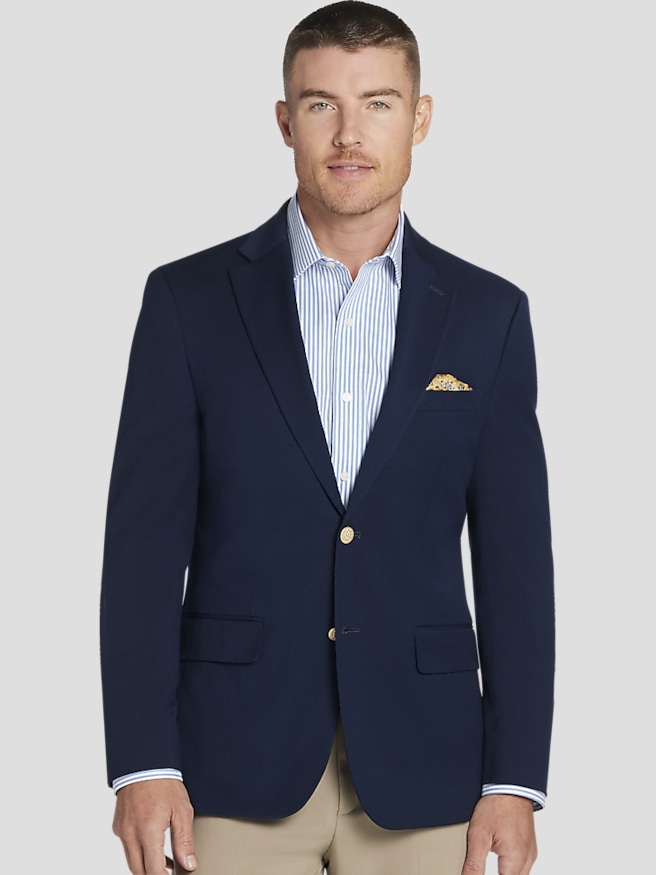
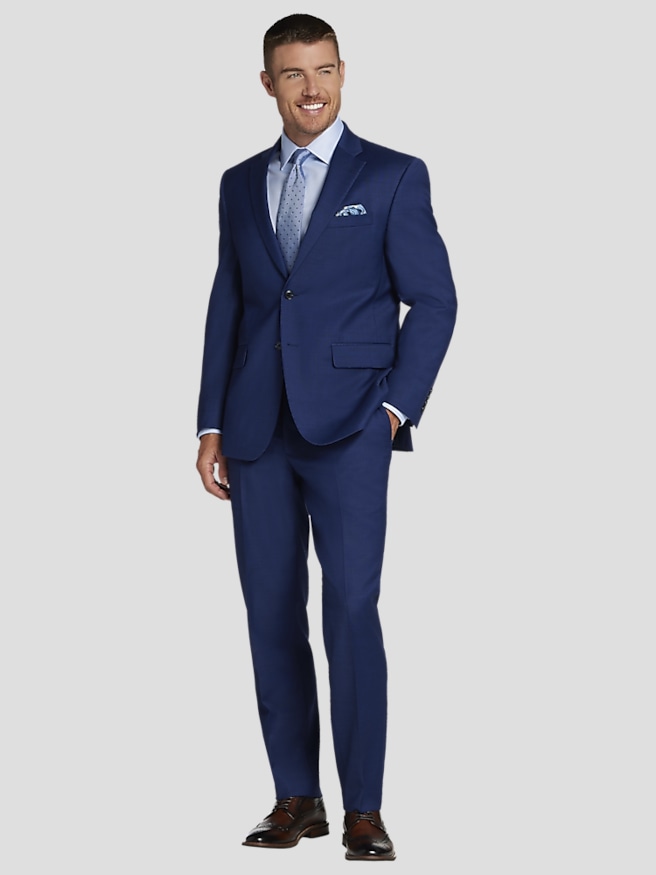
Men’s style jackets range from casual zip-front layers to tailored blazers, with each silhouette giving an outfit a distinct shape and level of polish. A bomber jacket is typically cut near the waist, with a zip front and ribbed or elasticized cuffs and hem that create a compact, easygoing profile. That shorter shape works naturally with straight-leg jeans, chinos, and simple knit shirts, especially when the goal is to look put together without looking dressed up. A leather moto jacket brings a sharper attitude through its close fit, prominent hardware, and often asymmetrical front zipper. Its visual weight can make a plain T-shirt and dark denim feel intentional without requiring much else. A denim jacket offers a different kind of character: sturdy fabric, visible seams, a button front, and chest pockets give it a familiar workwear influence. Worn with chinos or trousers in a contrasting texture, it adds structure while keeping the overall look relaxed. Field jackets take their cues from utility clothing, usually featuring multiple exterior pockets and a more practical, slightly longer silhouette. They suit everyday routines that call for room to move and convenient places for small essentials. A blazer sits toward the tailored end of the range, using lapels, shaped seams, and varying degrees of internal structure to create a cleaner outline. Unlike a matching suit jacket, a blazer is intended to work with separate trousers, making it useful for office settings, dinner reservations, and gatherings where a full suit would feel too formal. These distinctions matter because a jacket often sets the tone before any other part of an outfit comes into view. A cropped shape emphasizes the waist, a longer cut creates a more continuous line, and a defined shoulder can make even a simple shirt feel more finished. Color also changes the effect: navy, charcoal, olive, and shades of brown offer different ways to coordinate familiar pieces, while restrained detailing keeps the focus on shape and texture.
Material and construction determine how a jacket feels in motion as much as how it looks on a hanger. Cotton twill has a defined surface and enough body to support utility-inspired shapes, while denim’s woven structure gives casual jackets their recognizable firmness. Depending on the weave and finishing, these fabrics can feel crisp, softened, or somewhere in between. Leather has its own grain and surface variation, and its appearance may develop with wear; suede offers a softer, napped finish that changes subtly as the fibers catch the light. Wool and wool-blend fabrics are common choices for tailored jackets because they can combine shape, drape, and texture without relying on a rigid appearance. Synthetic fibers may contribute strength, stretch, or resistance to wrinkling, though the finished fabric and construction matter more than any single fiber claim. A small amount of stretch can make reaching for a steering wheel or sitting through a long meeting more comfortable, but it should support a good fit rather than compensate for a jacket that pulls. Across styles, the shoulder line, chest, sleeves, and hem work together. A traditionally fitted shoulder generally sits close to the natural shoulder, while an intentionally relaxed design may extend beyond it. The front should close without obvious strain, and the back should allow ordinary movement without feeling restrictive. Sleeves that crowd the hands can overwhelm a shorter jacket, while sleeves that pull sharply upward with every movement may indicate insufficient room. Length deserves equal attention: a waist-length bomber and a seat-covering blazer are designed to create different proportions, so neither should be judged by the other’s outline. Lining affects the wearing experience, too, helping a jacket slide over a shirt and giving the interior a finished feel. Smooth closures, neatly secured pocket edges, and even seams are useful construction details to notice. Personal preference still matters: some wearers want a close, defined outline, while others prefer enough ease for a knit polo or a substantial shirt underneath.
A jacket earns its place in a wardrobe through repeated use, and its everyday details often become as important as its silhouette. Secure interior pockets can be useful for commuting or attending an event, while exterior patch pockets contribute to a relaxed appearance even when they remain empty. Heavy objects can stretch pocket openings and interrupt the line of a tailored jacket, so carrying only small essentials helps preserve its shape. Durability depends on the combination of fabric, stitching, closures, and appropriate care rather than thickness alone. Reinforcement at frequently handled areas, such as pocket corners and fastening points, helps support regular wear. Care should always follow the garment label: some cotton or synthetic jackets may be washable, while tailored construction, leather, and suede can require specialized cleaning. Washing a jacket that calls for professional care can affect its dimensions, surface, or internal structure. A suitable garment brush can lift surface lint from many woven fabrics, and prompt attention to marks helps prevent unnecessary rubbing or aggressive spot treatment. Leather and suede need products and methods intended for their particular finish. Storage matters as well; supportive hangers help maintain the shoulders, and space between garments reduces crushing. A small rotation of Wardrobe Jackets can accommodate different routines, from a casual layer for errands and weekend lunches to a tailored option for presentations and celebratory dinners. Jackets can also make thoughtful gifts for a graduate beginning a professional wardrobe, someone settling into a new role, or a partner who appreciates practical clothing with a clear sense of style. Familiarity with the recipient’s preferred fit, usual colors, and daily activities makes that choice more personal. The most useful jacket is not necessarily the most elaborate; it is the one whose shape, fabric, and details feel natural alongside the clothes already worn and the places it will go.