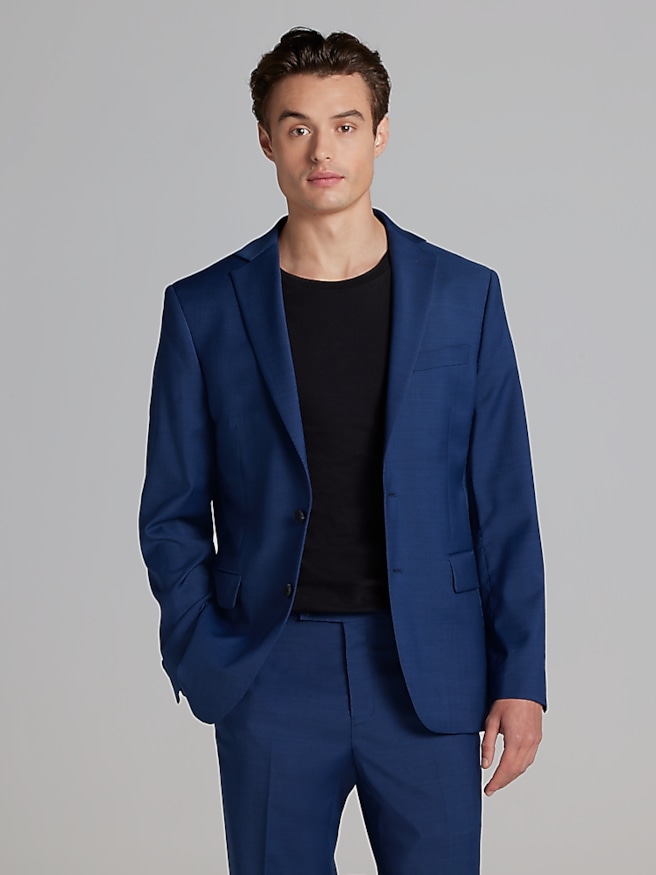
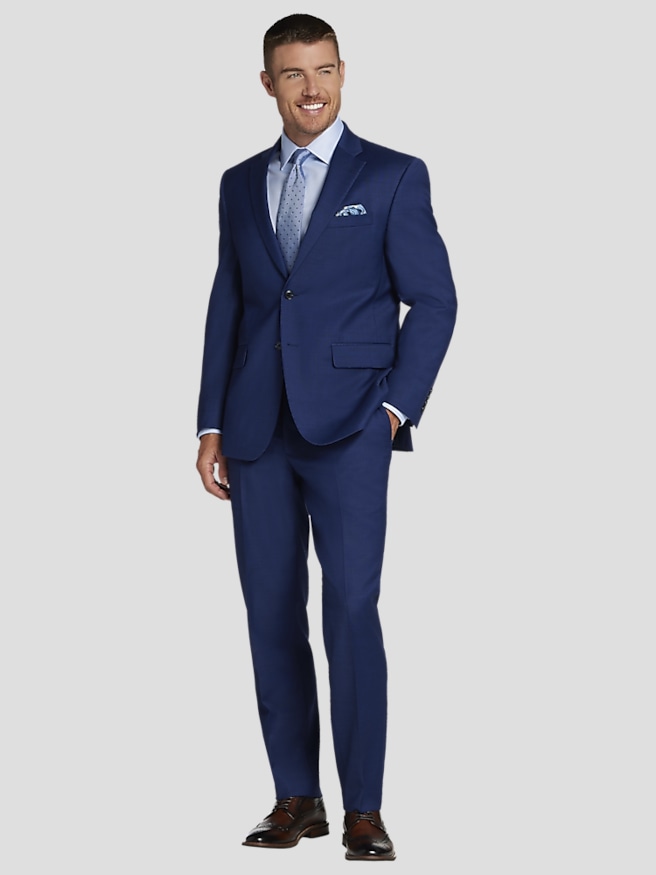
Wardrobe jackets are versatile layers that bring shape, texture, and a sense of finish to everyday clothing. A useful jacket wardrobe can include a tailored blazer or sport coat for polished settings, a denim jacket or bomber for casual wear, and an overcoat for added coverage during cooler weather. Each serves a distinct purpose, but the most useful choices work with several outfits rather than just one. A navy blazer can sit comfortably over a pale blue shirt and gray trousers at the office, then take on a more relaxed character with a fine-gauge sweater and dark jeans at dinner. A textured sport coat adds depth to simple combinations, especially when its pattern picks up a color already present in the shirt or trousers. Denim jackets bring a sturdier, more casual feel to chinos, knit shirts, and weekend layers, while a clean-lined bomber offers an easy option for errands, travel, and informal gatherings. Leather and faux leather jackets contribute a stronger visual accent, with smooth surfaces and distinctive seams that look best when the rest of the outfit stays relatively simple. For professional settings, Office Wear Jackets connect tailored structure with the practical needs of a workday, from sitting through meetings to stepping out for lunch. Navy, charcoal, brown, olive, and tan are useful starting points because they coordinate with many common trouser and shirt colors. Texture can supply interest without requiring a bold pattern: a subtle herringbone, brushed finish, or visible twill weave gives a neutral jacket character at close range. The intended setting helps determine how much structure makes sense. A defined shoulder and crisp lapel suit a presentation or celebratory dinner, while softer construction feels more at home in a relaxed office or a neighborhood restaurant. Building around those actual routines gives each jacket a clear role and makes getting dressed less complicated.
Materials influence how wardrobe jackets feel, how they hang, and which conditions they suit. Wool is valued in tailored jackets for its drape, breathability, and ability to recover from light creasing, although warmth depends on the fabric’s weight, weave, and construction. A loosely woven wool sport coat can feel quite distinct from a dense wool-blend overcoat designed to cover several layers. Cotton twill offers a more casual surface and typically develops softer creases with wear; denim provides recognizable texture and often becomes more comfortable as the fabric breaks in. Corduroy adds visual depth through its raised ribs and pairs naturally with smooth chinos, denim, and understated knitwear during cooler months. Blended fabrics can combine qualities such as softness, shape retention, or stretch, but the fiber label alone does not tell the whole story. A stretch jacket still needs enough room across the back and upper arms to move comfortably. Lining also matters: a smooth lining helps a jacket slide over a shirt or sweater, while partial lining can reduce bulk and create a less structured feel. Leather needs care suited to its finish, and faux leather requires its own cleaning approach; the two should not be treated as interchangeable materials. For outer layers, warmth and weather protection are separate considerations. A substantial fabric may feel warm without resisting rain, and a water-resistant finish does not make a jacket waterproof. Details such as a collar that closes comfortably, secure pockets, and cuffs that sit neatly over the wrists become especially noticeable during a commute or a walk after dinner. Durability comes from the combination of suitable fabric, sound construction, and appropriate use. Even stitching, firmly attached buttons, smoothly operating zippers, and neatly finished pocket openings are useful signs to examine. High-contact areas around cuffs, elbows, and pocket edges deserve attention because they tend to show wear first. A jacket worn over a backpack on frequent walks faces demands unlike those of a sport coat used mainly for seated office work.
Fit brings all those details together, and a wardrobe jacket should look composed without restricting ordinary movement. On a tailored blazer or sport coat, the shoulder line should follow the body cleanly, with sleeves falling smoothly rather than twisting or forming pronounced dents. When the jacket is buttoned as intended, the front should lie reasonably flat without strong pulling across the midsection or lapels that bow away from the chest. A small amount of shirt cuff can show beneath a tailored sleeve, while casual outerwear generally provides more wrist coverage. Length depends on the jacket’s purpose: a shorter bomber creates a compact silhouette, whereas a sport coat usually extends farther over the seat, and an overcoat needs enough length and room to cover the clothing beneath it. Trying a jacket over the layers it will actually accompany gives a clearer sense of fit than judging it over a thin shirt alone. Reaching forward as though holding a steering wheel, sitting down, and bending the arms can reveal tightness that is not obvious in a mirror. Tailoring may refine sleeve length or shape through the torso, but major changes to shoulders and overall proportions are more involved. Everyday habits help preserve that fit and finish. Tailored jackets benefit from broad, supportive hangers, space between garments, and time to air after wear. Emptying pockets prevents unnecessary strain, while brushing suitable fabrics gently can lift surface dust before it settles into the weave. Follow the care label for cleaning, pressing, and drying, particularly with bonded materials, decorative finishes, and mixed-fabric construction. Avoid assuming that every casual jacket is machine washable or every tailored jacket needs frequent cleaning. For a gift recipient starting a new job, traveling regularly, or attending more social occasions, a versatile jacket can be a thoughtful addition when sizing and personal style are known. Familiar colors, comfortable proportions, and materials suited to everyday routines are more likely to become lasting favorites than a dramatic style that rarely leaves the hanger.