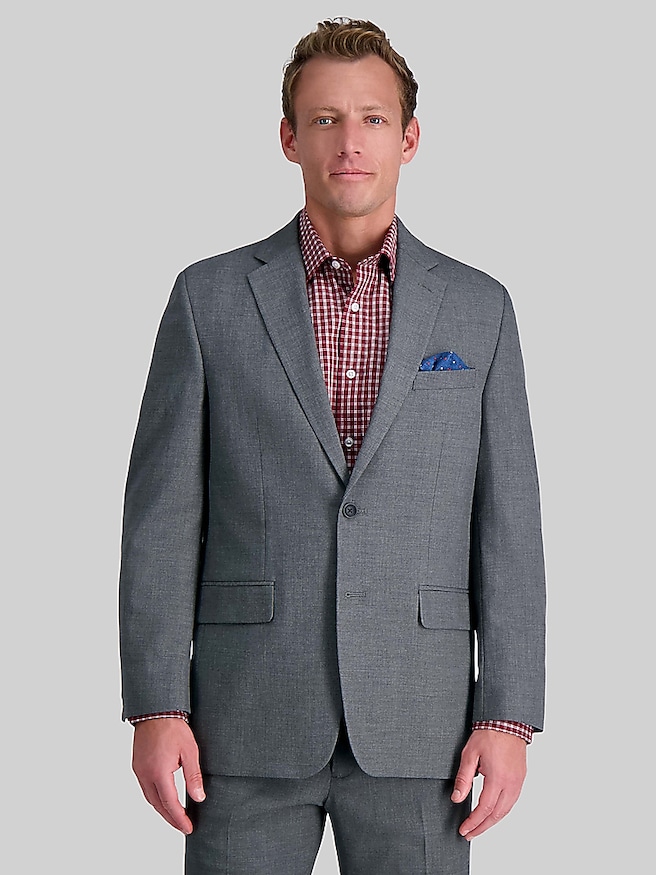
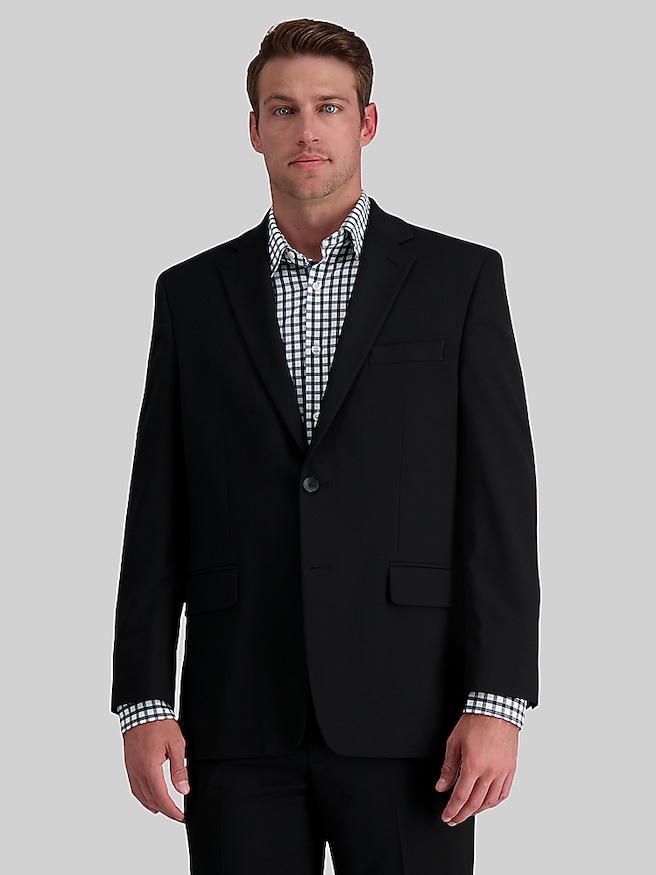
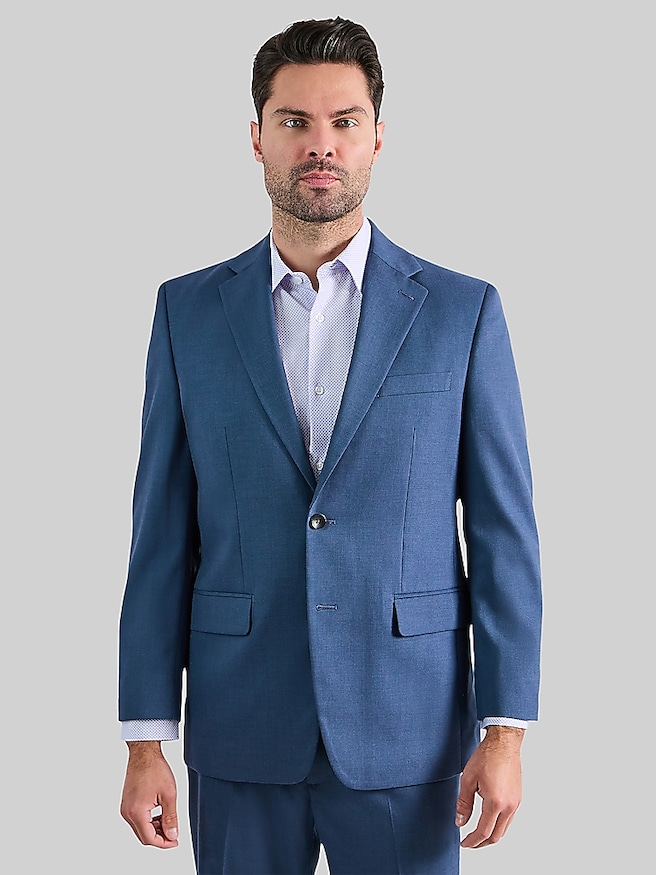
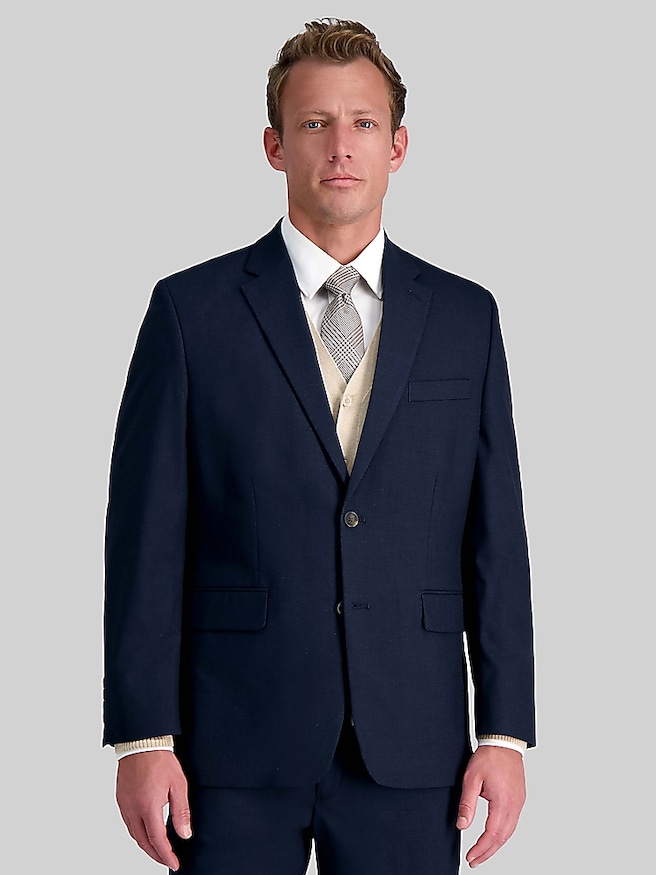
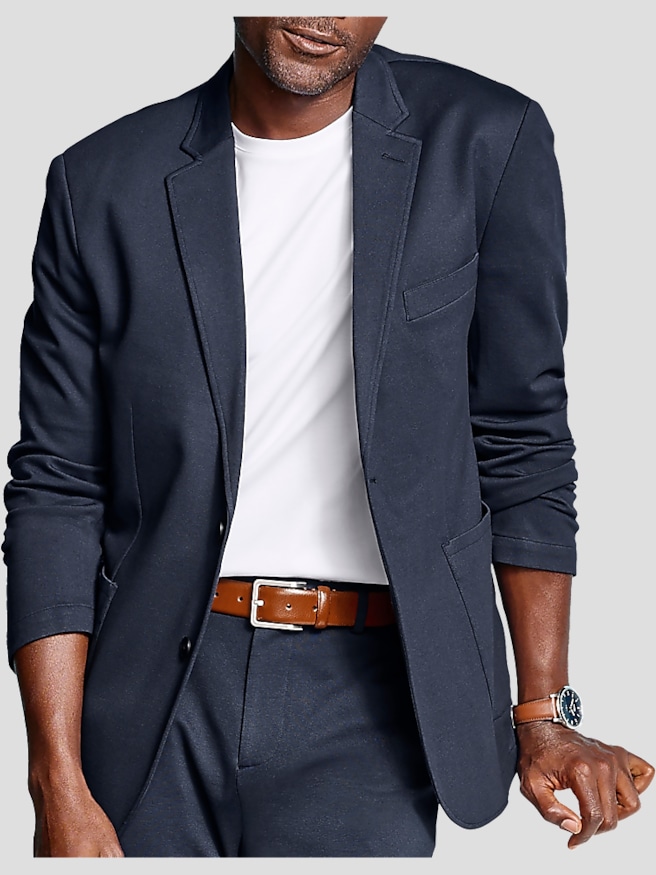
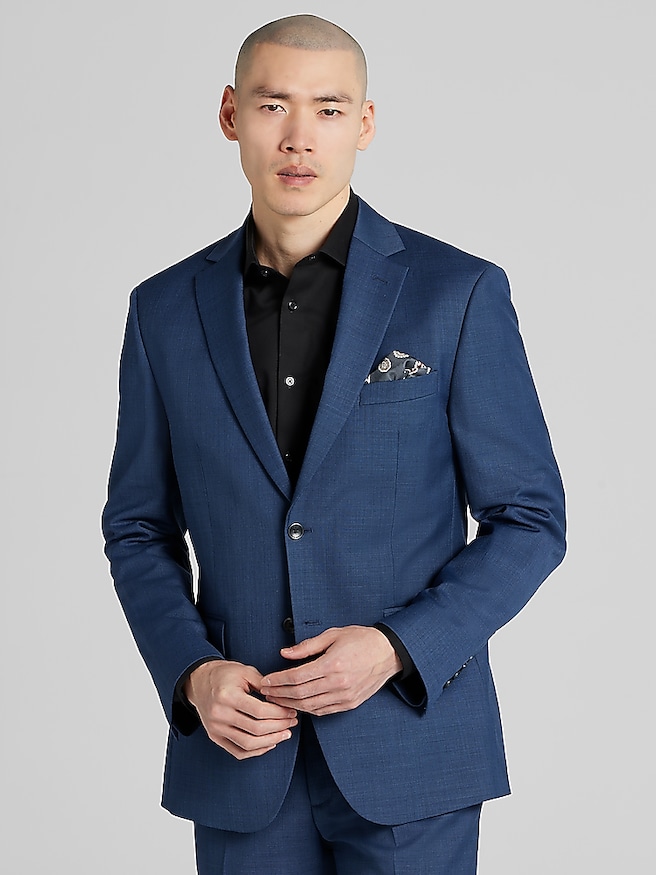
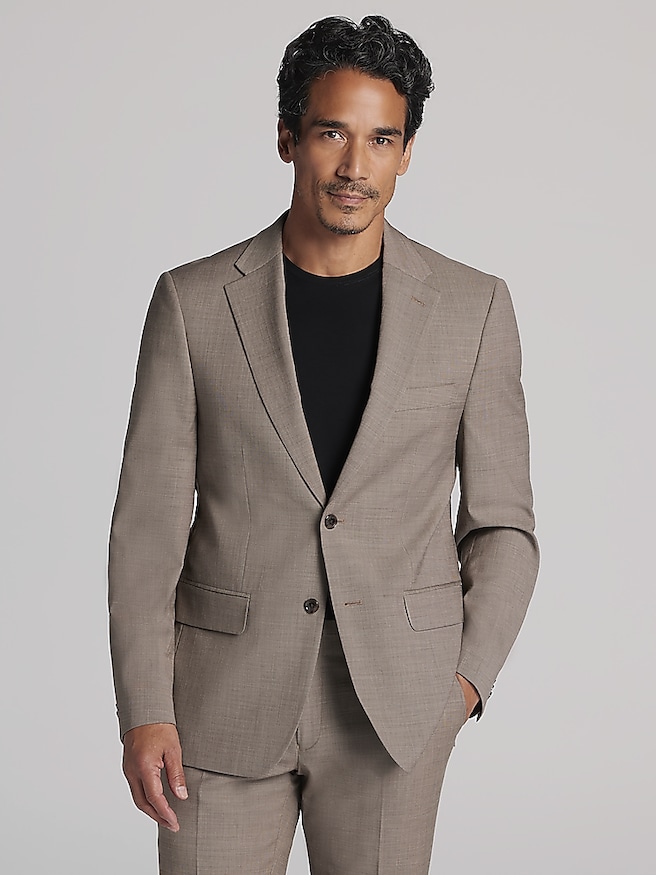
Office wear jackets bring structure to a work wardrobe while giving you more flexibility than a complete suit. A well-chosen jacket can sharpen a shirt and trousers for a presentation, add polish to chinos for a business-casual office, or provide a dependable layer when a workday moves from a cool commute to a warm conference room. The most versatile options typically balance tailored shape with comfortable movement, creating a clean silhouette without feeling restrictive after hours at a desk. Traditional blazers and sport coats offer an easy starting point, especially in dependable shades such as navy, charcoal, medium gray and subtle patterns that coordinate with multiple trousers. A navy jacket, for example, can look professional with gray wool trousers, relaxed with khakis and seasonally appropriate with dark denim where the dress code allows. Solid colors tend to be the easiest to rewear, while understated checks, windowpanes or textured weaves can add personality without becoming distracting in a professional setting. When a more formal impression is needed, look for a defined shoulder, a neat lapel and a smooth, refined fabric. For offices with a relaxed dress code, softer construction, natural texture and a slightly less structured fit can feel more at home. A jacket should enhance the way you already dress rather than sit unused in the closet, so consider the shirts, trousers and shoes you reach for most often before choosing a new layer.
Fit is the detail that makes an office wear jacket look intentional. Start with the shoulders: the seam should rest close to the edge of your shoulder without extending past it or pulling inward. The jacket should close comfortably across the chest and midsection, with no pronounced tugging at the button and no excessive fabric collapsing beneath the arms. A little room allows you to sit, reach and layer over a dress shirt, but an overly loose jacket can lose the clean lines that make tailoring effective. The sleeve should finish near the wrist, allowing a small, visible edge of shirt cuff, while the jacket hem generally looks balanced when it covers the seat and reaches around the middle of the hand when your arms rest naturally at your sides. Single-button and two-button fronts create a streamlined appearance, while double-breasted styling brings a more distinctive, traditional presence. Back vents help a jacket drape cleanly and make sitting or walking more comfortable; side vents are especially practical for everyday movement and a modern profile. For long hours at work, a touch of stretch in the fabric can make a noticeable difference, particularly when commuting, traveling between meetings or moving from a standing presentation to a seated lunch. Check the jacket while standing and sitting, and wear it with the type of shirt you expect to pair with it. That simple step often reveals whether the collar lies smoothly, the sleeves feel comfortable and the proportions work with the rest of your wardrobe. Those seeking a more elevated finish for important meetings, client-facing roles or formal office events may also find inspiration in Designer Suit Jackets, where refined tailoring and distinctive details take center stage.
Fabric and color also determine how naturally a jacket fits into daily office life, particularly as temperatures shift through the cooler months. Wool and wool blends are reliable choices for early fall through early winter because they offer warmth, breathability and a polished drape without looking overly heavy indoors. Flannel, brushed textures and subtle woven patterns can add visual depth to an outfit while complementing seasonal trousers and leather shoes. Cotton blends and lightweight stretch fabrics provide a comfortable option for offices that stay warm throughout the day, and their easy movement can be useful for frequent travelers. Linen and linen blends are best known for warmer conditions, though a lighter, breathable weave can still serve in transitional weather when layered thoughtfully. Consider the jacket’s weight alongside your commute: someone walking several blocks or using public transportation may prefer a breathable, flexible layer, while someone moving between a car and a heated office may appreciate a more substantial fabric. Color can work in much the same way. Charcoal and navy remain dependable foundations, brown and olive add approachable character, and muted seasonal tones can refresh familiar shirts without overwhelming them. Pair an office jacket with a crisp dress shirt, knit polo or fine-gauge sweater depending on the dress code, then finish with tailored trousers, chinos or dark, clean denim where appropriate. Keep accessories restrained for a polished professional setting: a leather belt that coordinates with the shoes, a simple watch and a pocket square used sparingly can complete the look. Office wear jackets also make thoughtful gifts for a recent graduate, a first-time professional, a frequent presenter or anyone building a wardrobe for a new role. A neutral, versatile jacket is often more useful than a highly specific style because it can accompany a first interview, a team dinner, a business trip and countless ordinary workdays. Hang the jacket on a shaped hanger, give it room between wears and follow the care label to preserve its structure. With the right fit, fabric and styling range, an office jacket becomes the layer you reach for when you want to look prepared, feel comfortable and move through the workday with quiet confidence.