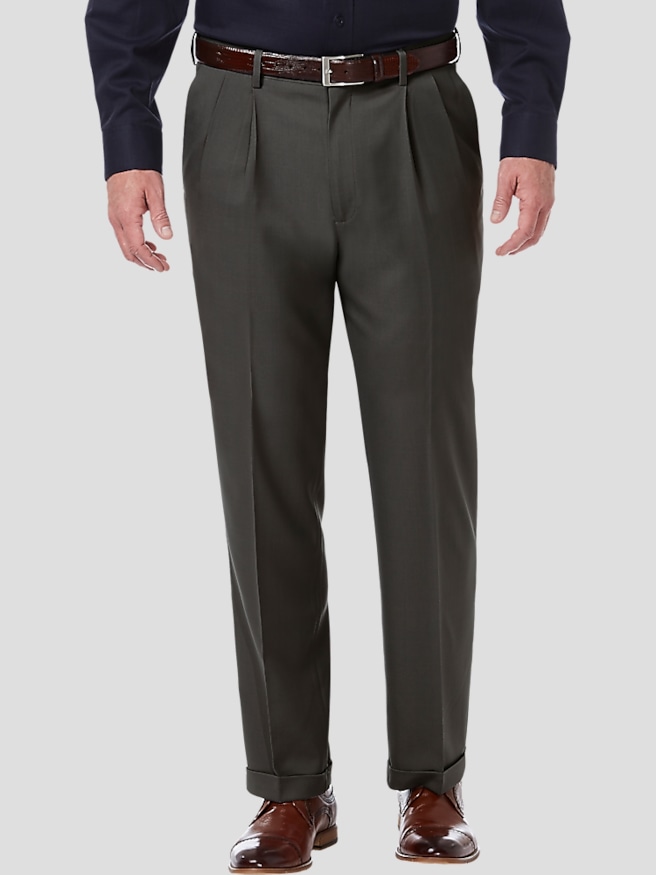
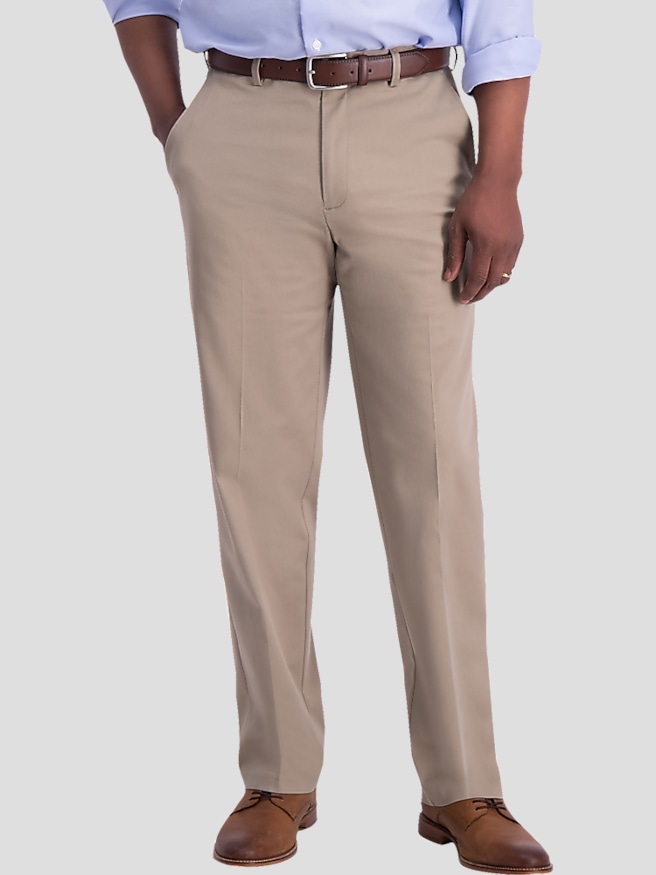
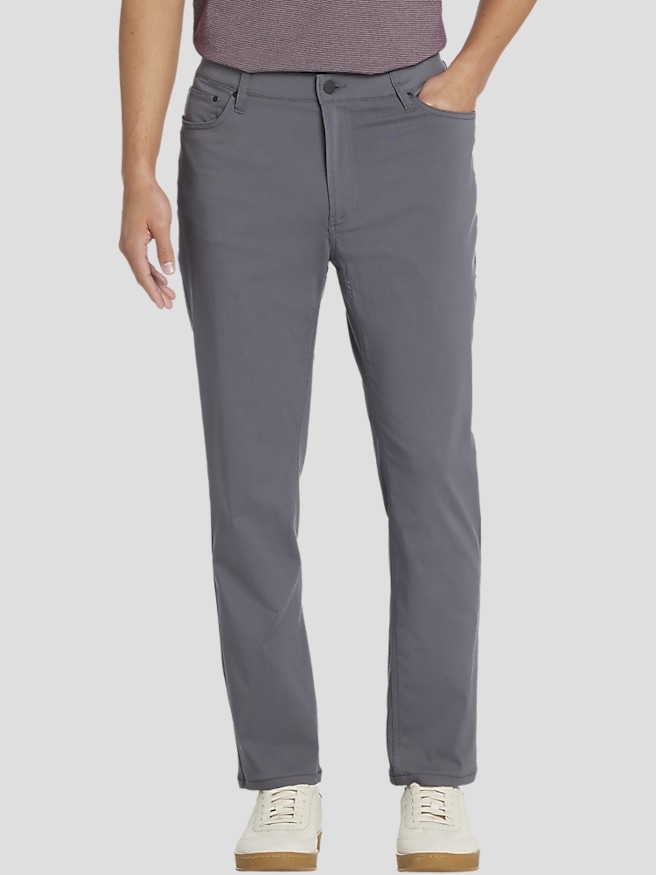
Work-from-home business casual for men combines a professional appearance with the comfort needed for a full day at a desk. Collared shirts, understated knitwear, and neatly fitting pants create a look that feels appropriate for video meetings without bringing the formality of a suit into the home office. The balance comes from soft fabrics, clean lines, and enough structure to look intentional. A knit polo offers a defined collar with the easy feel of a casual shirt, while an Oxford button-down brings texture and a more traditional office look. A fine-gauge sweater or cardigan adds another layer of polish without the stiffness of formal tailoring. Business casual expectations vary by workplace: someone presenting to clients may favor a button-down and an unstructured jacket, while someone working with a more relaxed team may feel at home in a solid polo and chinos. Both approaches can look professional when the clothing fits well and is kept in good condition. On video, the neckline, shoulders, and upper chest do much of the visual work. A collar that sits flat, a smooth placket, and shoulder seams that land close to the natural shoulder help a shirt look composed, even through a laptop camera. Solid colors and subtle textures generally read clearly on screen, while very tight stripes or small, high-contrast checks can produce distracting visual effects on some cameras. Navy, medium blue, charcoal, olive, and muted neutrals also make it easy to coordinate separates without creating a uniform that feels repetitive. The lower half of the outfit still matters, whether the day includes an unexpected moment standing during a call, a working lunch away from home, or a quick visit to the office. Chinos and softly tailored trousers keep the outfit coherent from head to toe, with a finish that suits both focused desk work and face-to-face conversations.
Fabric and construction make a noticeable difference when clothing is worn through hours of sitting, typing, and moving between tasks. Cotton is a familiar choice for its soft hand and breathability, and an Oxford weave gives a shirt a slightly textured surface that works well with casual pants. Cotton jersey and other knit constructions offer natural give, making polos and lightweight layers appealing for a workday that calls for frequent movement. Fine-gauge merino wool can provide a smooth, refined appearance in sweaters without adding much bulk beneath a jacket. Blended fabrics may introduce stretch, improve shape retention, or help reduce wrinkling, but those benefits depend on the fabric and the way a garment is made. A small amount of elastane in pants, for example, can make bending and sitting easier while preserving a tailored outline. Stretch alone does not guarantee comfort; the cut needs enough room through the seat and thighs, and the waistband should feel secure without pressing into the body when seated. A slim fit can look clean without being tight, while a straight or more relaxed fit may provide welcome ease for a longer workday. Shirts need similar attention to proportion. Pulling between buttons, sleeves that catch at the elbows, or excess fabric bunching beneath a sweater can become distracting over several hours. A well-proportioned shirt allows the arms to reach a keyboard comfortably and stays neat whether worn tucked or untucked, depending on its hem and the expectations of the workplace. Pants with a smooth front and a balanced leg shape pair naturally with knit tops, button-downs, and casual jackets. Details such as tidy pocket openings, secure buttons, even stitching, and fabric that recovers after movement contribute to a polished look beyond the first wear. Durability is especially relevant for frequently worn separates, since repeated sitting places stress on knees, the seat, and pocket edges. Clothing that holds its shape and allows comfortable movement is better suited to regular rotation than pieces that look sharp only while standing still.
An effective remote-work wardrobe also needs to be manageable between workdays. Care requirements influence how easily a shirt or pair of pants fits into a routine, especially when the same dependable separates are worn often. Machine-washable garments can simplify upkeep where the care label permits, while some wool knitwear and tailored layers require hand washing or professional cleaning. Following the stated washing and drying directions helps protect fabric texture, color, and fit; excessive heat can shrink certain fibers or affect stretch components. Promptly removing washable shirts and pants from the dryer, when tumble drying is permitted, can help limit creasing. Knitwear generally keeps its shape better when folded rather than left hanging, and suitable hangers help support woven shirts and jackets between wears. Wrinkle-resistant fabrics may reduce maintenance, but they still benefit from proper laundering and storage. These practical details matter when an early meeting follows a busy evening and there is little time to rethink an outfit. A small group of compatible colors and silhouettes gives everyday dressing some flexibility: a blue button-down works with gray trousers for a presentation, then with chinos for a less formal day; a plain knit layer can bring a familiar shirt into a more finished combination. For hybrid schedules and workplaces with a more defined dress code, Men’s Business Casual Work Looks offers a broader perspective on office-appropriate combinations. At home, the right level of polish comes from clothing that matches the people and situations on the calendar, rather than formality for its own sake. A new employee meeting colleagues online, an experienced manager leading a team check-in, and an independent professional speaking with a client may each need a slightly different expression of business casual. Comfortable fabrics, sound construction, and a consistent fit give those looks a common foundation. The result is clothing that feels natural at a home desk and remains presentable when the workday moves beyond it.