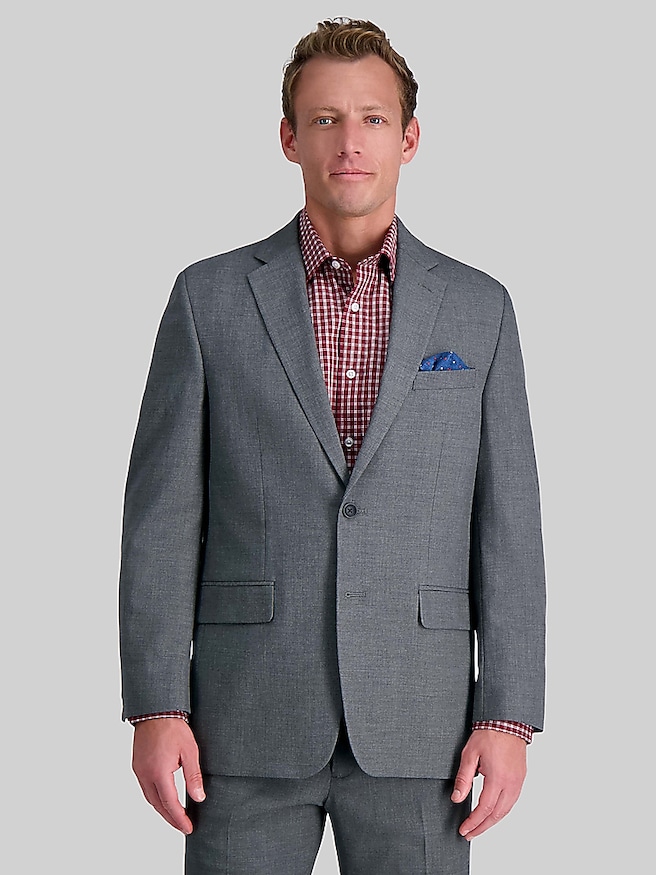
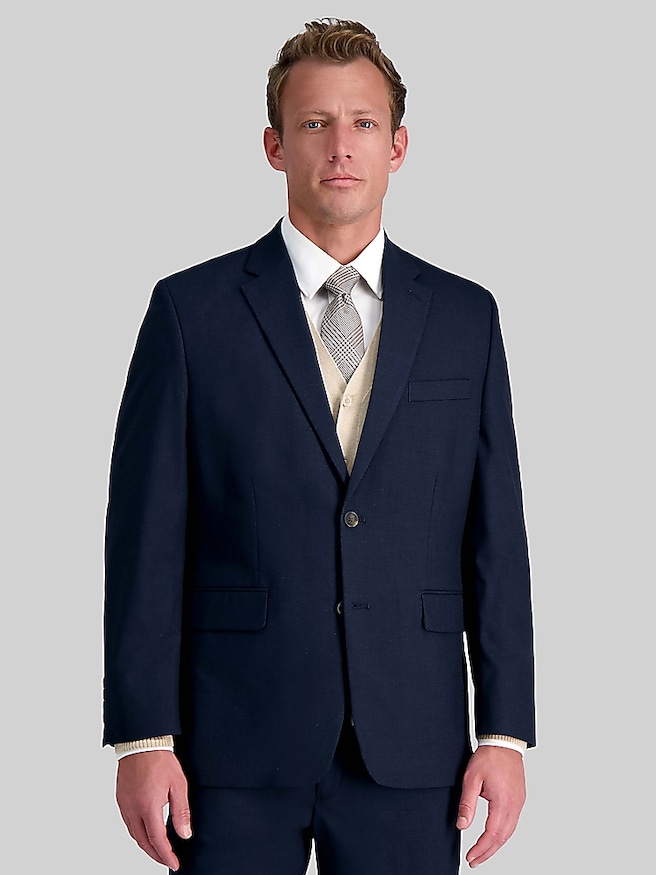
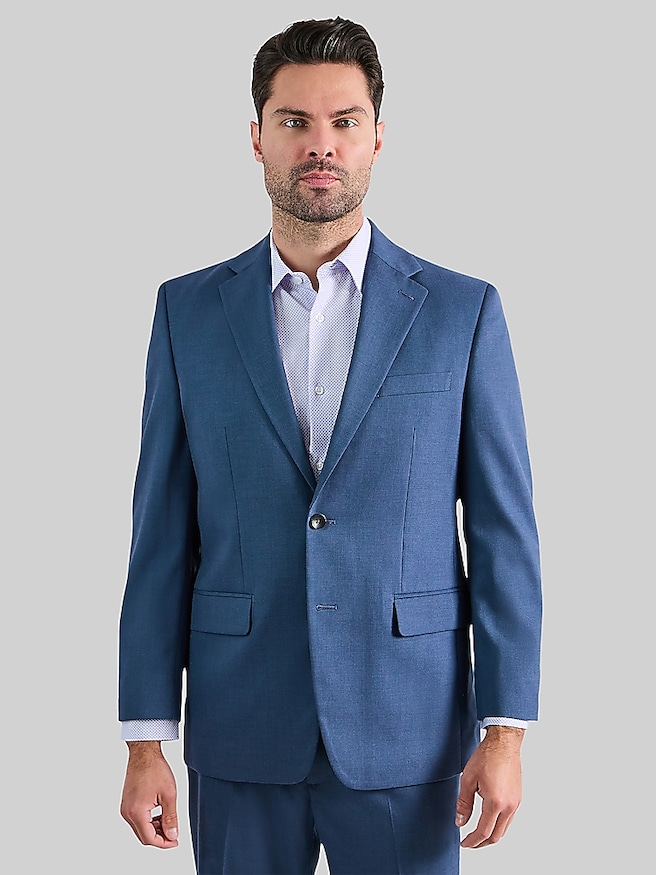
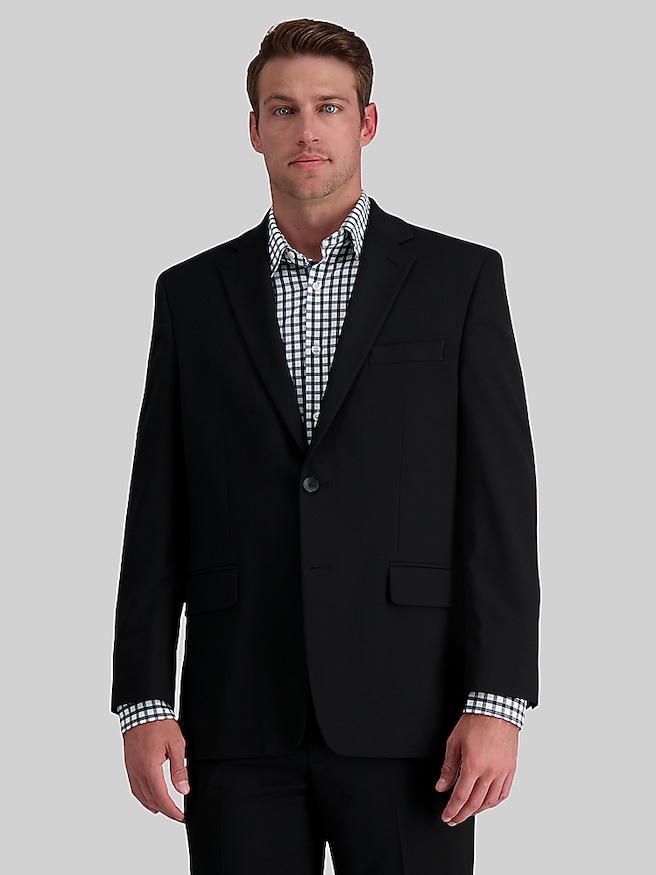
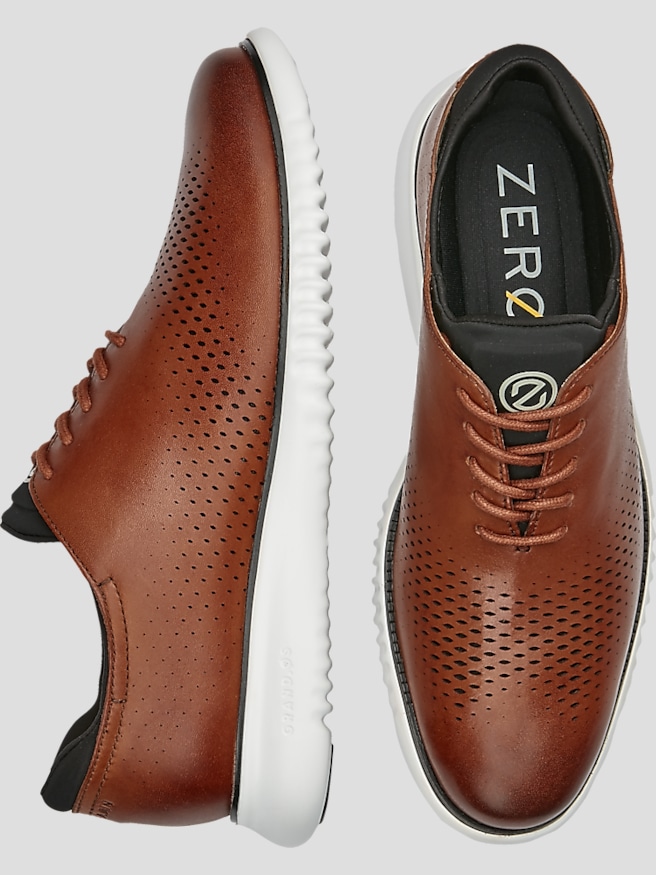
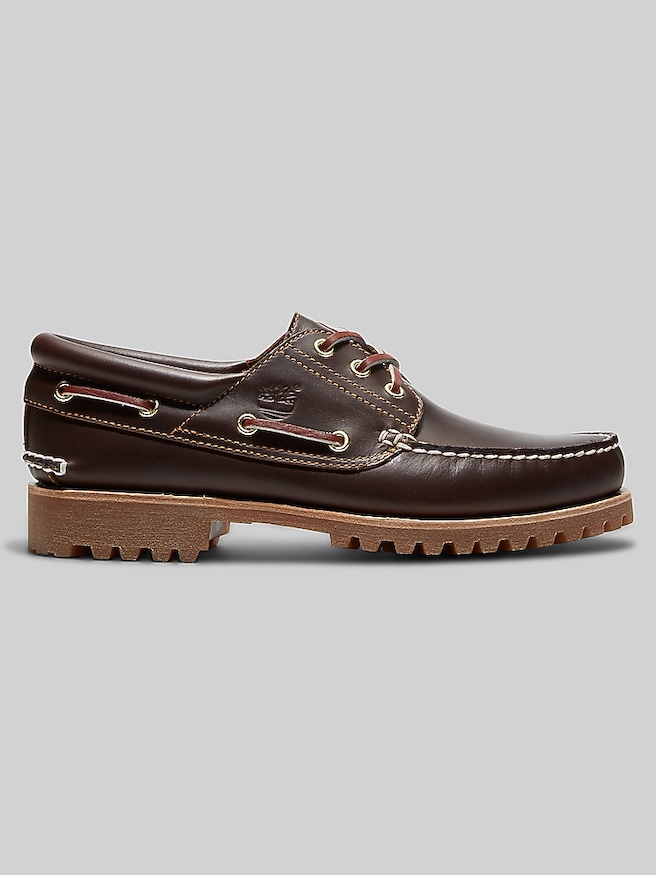
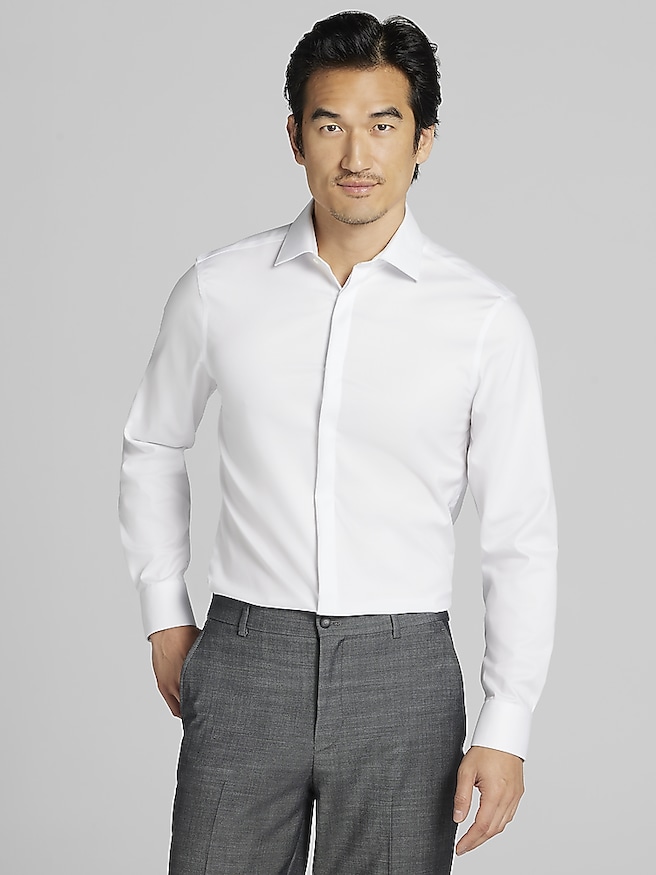
Men’s business casual work looks combine the polish of office clothing with the ease of less structured pieces, typically pairing a collared shirt or refined knit with chinos or tailored trousers and understated leather shoes. A blazer can add definition without making a full suit necessary, while an open collar keeps the overall impression approachable. The right balance depends on the workplace: a client-facing office may favor pressed trousers and a tucked-in button-down, while a design studio may welcome a knit polo with neatly finished chinos. What connects these looks is a clean silhouette, thoughtful coordination, and clothing that feels appropriate from the first meeting to the last conversation of the day. Navy, gray, olive, tan, and white offer a versatile foundation because they combine easily without requiring every piece to match. A pale blue Oxford shirt with charcoal trousers has a crisp, familiar character; a navy blazer over a white shirt and tan chinos brings a little more structure. Fine stripes, small checks, and subtle woven textures add interest without competing for attention across a conference table. Business casual generally sits between a suit-and-tie dress code and weekend clothing, though each employer sets its own expectations. Dark, evenly finished denim may suit some offices, but chinos and dress trousers tend to cross more workplace settings comfortably. Footwear helps establish that distinction, too. Loafers, lace-up leather shoes, and streamlined boots can make a simple shirt-and-trouser combination feel complete, especially when their finish is clean and their shape is not overly bulky. A leather belt in a similar color family creates continuity without needing an exact match. For professionals building a first office wardrobe, returning to an in-person schedule, or moving into a more visible role, these versatile combinations offer a practical middle ground: dressed with intention, comfortable in conversation, and adaptable enough for an ordinary desk day or an unexpected introduction to a client.
Materials and fit give business casual clothing much of its character, even when the colors and combinations are simple. Oxford cotton has a gently textured surface that works naturally with chinos, while smoother cotton weaves create a sharper impression beneath a blazer. Twill fabrics have a diagonal weave and often enough substance to hold a neat line through the leg. Wool trousers can offer fluid drape and a more tailored appearance, and wool blends may combine that look with other performance qualities, depending on their construction. A small amount of stretch can make sitting, walking, and reaching more comfortable, although fiber content alone does not determine how a garment will feel or recover after wear. Fabric weight, weave, and finishing matter as well. Fine-gauge sweaters and knit polos bring softness and texture without the visual bulk of heavier knits, making them useful companions to tailored pants or an unstructured jacket. Across these categories, a good fit follows the body without pulling tightly or leaving excessive fabric at the waist, seat, or sleeves. Shirt shoulder seams generally sit near the shoulder edge, the collar rests comfortably against the neck, and the front remains smooth when seated. A shirt intended to stay tucked needs enough length to remain secure during normal movement; an untucked style looks more deliberate when its hem is proportioned for that use. Trousers should sit comfortably at the intended waist position, with pockets that lie flat and enough room through the thigh for a natural stride. A clean hem with little or moderate break keeps fabric from pooling over the shoes. Blazers benefit from balanced shoulders, a collar that sits close to the shirt, and a front that does not strain when buttoned. Slim, tailored, and roomier silhouettes can all look professional when those proportions are right. The aim is not the narrowest possible cut, but clothing that looks composed while allowing someone to lead a presentation, sit through a planning session, or walk between appointments without constant adjustment.
The usefulness of a business casual wardrobe also depends on how well its pieces hold up to repeated wear and routine care. Secure buttons, tidy seams, stable pocket openings, and fabric that returns to shape after movement are meaningful details in clothing worn throughout a workday. Areas that see frequent friction, including trouser seats, elbows, and cuffs, deserve particular attention over time. Care requirements vary by fabric and construction, so the garment label is the best starting point for washing, drying, pressing, or professional cleaning. Washable shirts and chinos can simplify a regular rotation, while tailored jackets and some wool trousers may need more specialized care. Wrinkle-resistant finishes can reduce maintenance, but they do not eliminate the need for proper laundering or storage. Removing washable clothing promptly after a cycle, smoothing collars and plackets, and using an appropriate iron setting can help preserve a neat appearance. Supportive hangers help jackets retain their shape, while knitwear often stores best folded to avoid stretched shoulders. Giving shoes time to air between wears and cleaning them according to their material helps maintain the finish that makes an outfit look considered. These habits support a wardrobe built around repeatable combinations rather than a separate outfit for every occasion. A collared shirt and tailored trousers can carry a routine office day, with a blazer adding polish for a presentation or professional lunch. A fine-knit polo and chinos may be suitable for a less formal team gathering, provided the workplace dress code allows them. For another view of this versatile category, Top Rated Business Casual brings the same office-focused theme into consideration. Business casual clothing can also make a thoughtful gift for a graduate starting a professional role or someone preparing for a career change, especially when the recipient’s measurements, preferred fit, and care habits are known. The most useful choices reflect how the clothing will actually be worn: regular commuting, long seated stretches, frequent introductions, and days when looking put together should not require much thought.