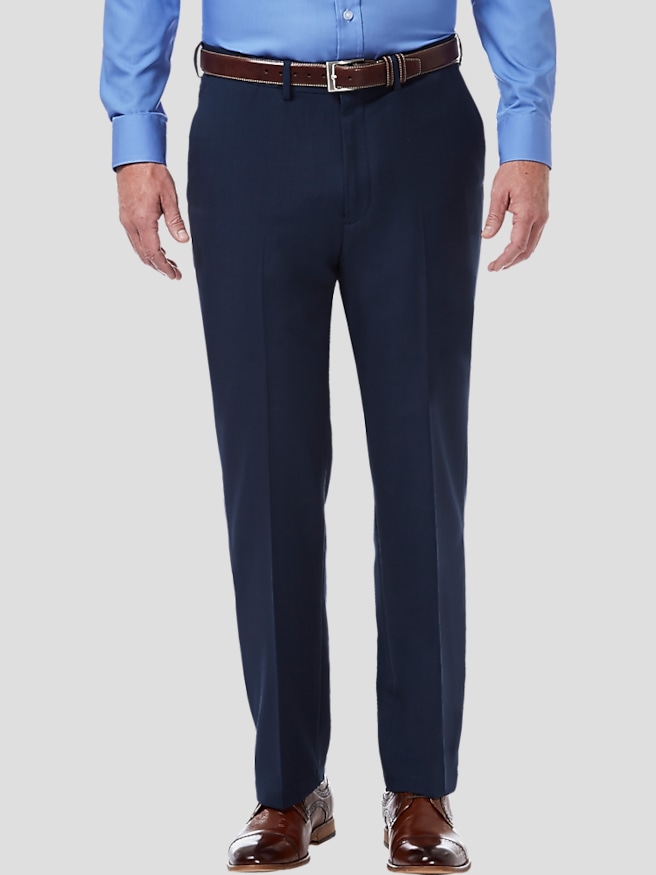
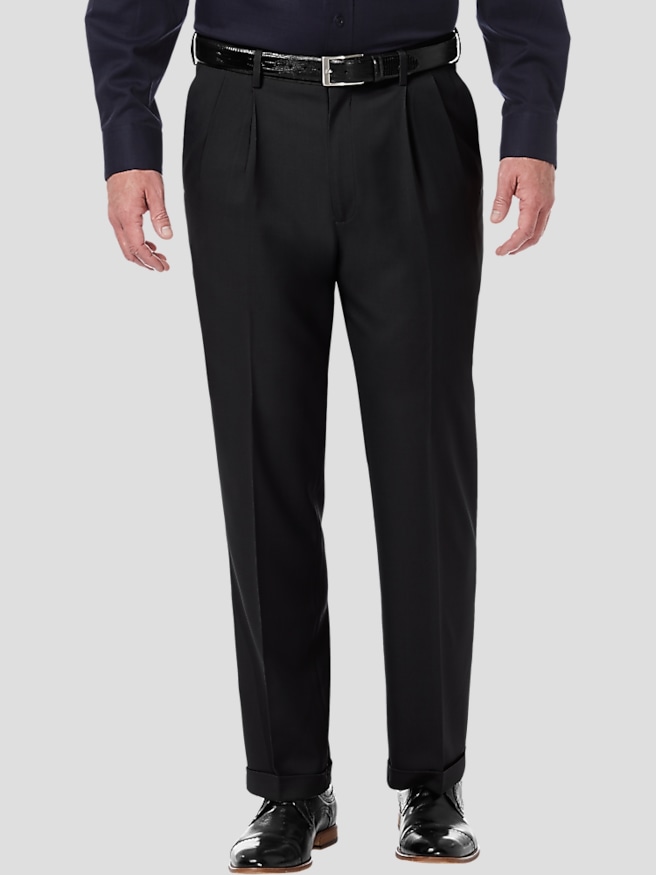
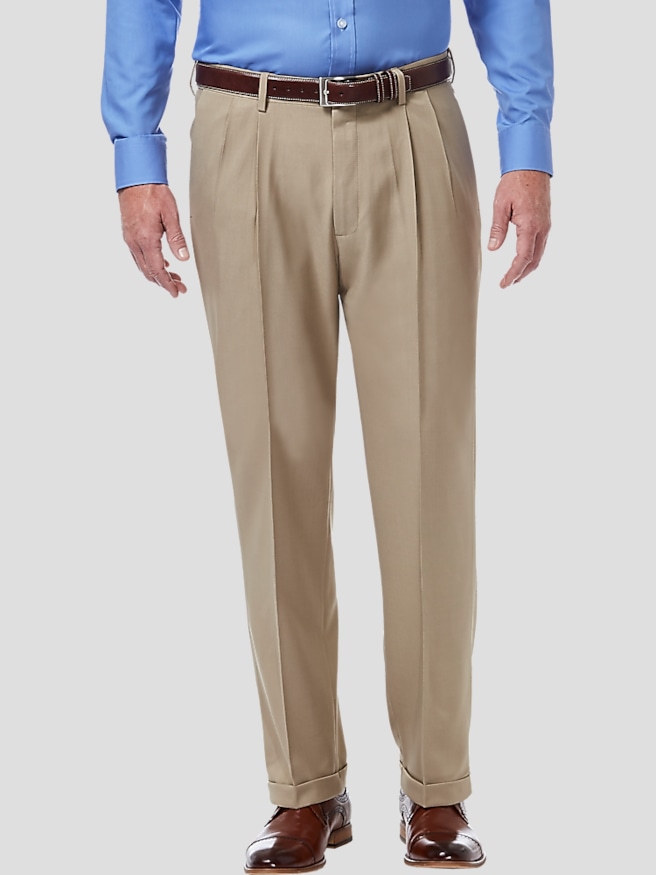
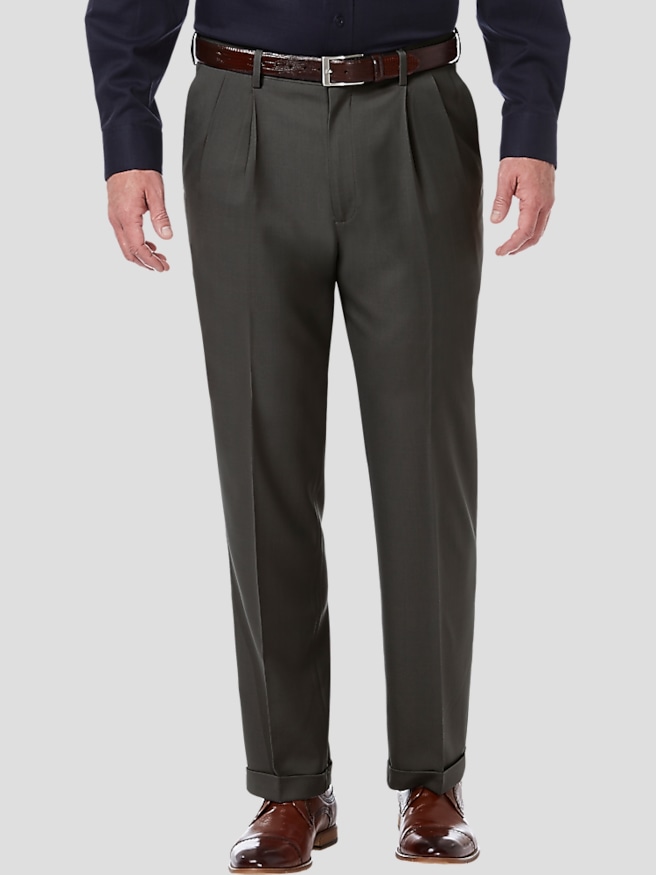
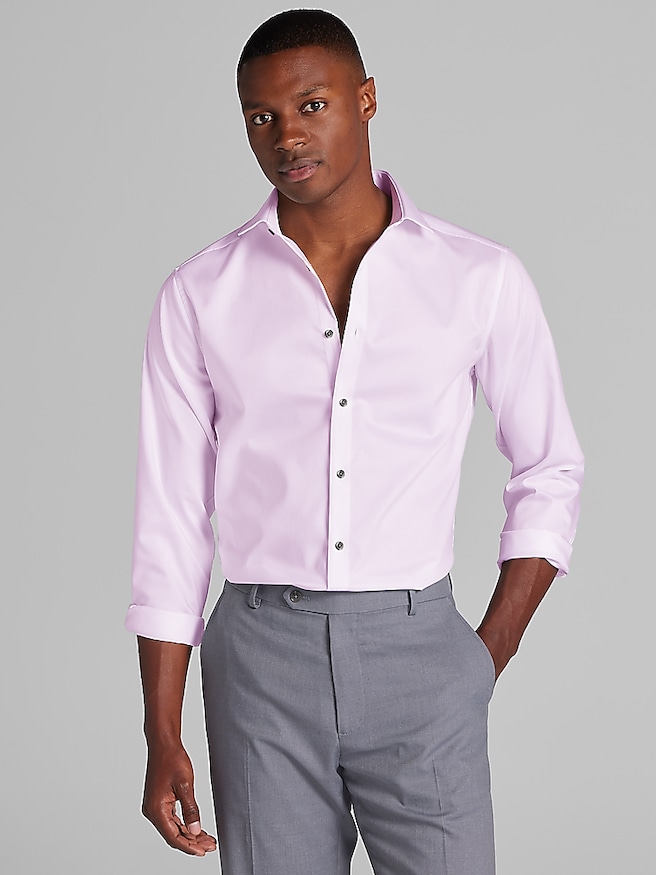
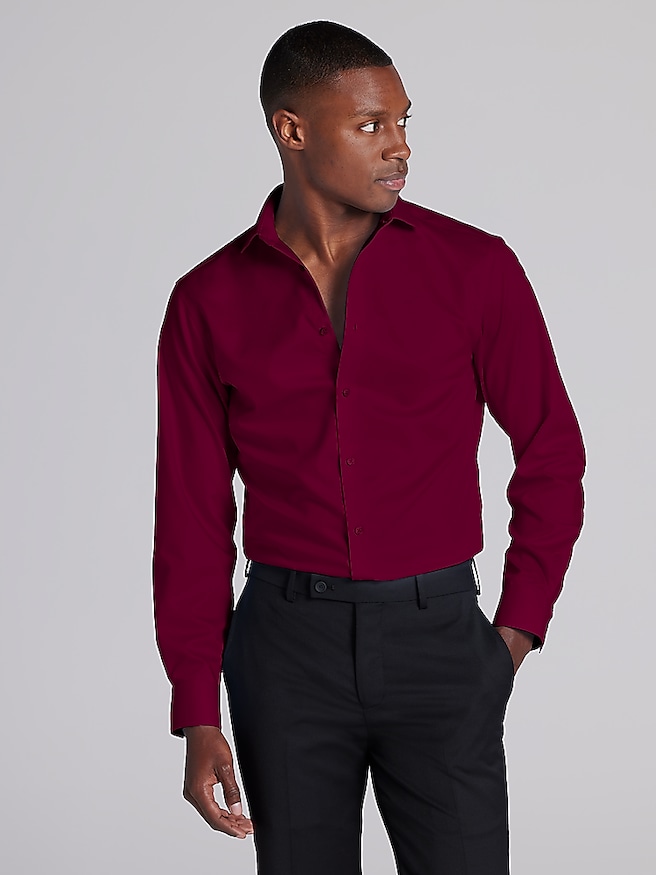
Business casual outfits bring together the confidence of traditional workwear and the ease of everyday clothing, making them useful for offices, client meetings, conferences, interviews, dinners, and professional events with a relaxed dress code. The recommended clothing in this collection can help build a wardrobe that looks intentional without feeling overly formal. A well-fitted blazer remains one of the most versatile pieces to consider, especially in a neutral shade that works with several shirts and trousers. Pair it with tailored slacks for a polished meeting-ready combination, or wear it with chinos when the setting allows a more relaxed finish. Button-down shirts offer a dependable foundation, while knit polos and refined sweaters can add texture and comfort during the cooler months. When choosing any garment, pay close attention to the shoulder, sleeve, rise, and hem. A jacket should sit smoothly across the shoulders without pulling, trousers should drape cleanly without excessive bunching, and shirts should allow comfortable movement when reaching for a coffee, greeting a client, or settling in for a long afternoon at a desk. Colors such as navy, charcoal, gray, tan, olive, white, and light blue are particularly easy to coordinate, while subtle checks, stripes, or textured fabrics can add personality without overwhelming a professional setting. This versatility is especially helpful for anyone building a first work wardrobe, returning to the office, starting a new role, or preparing for a workplace where the dress code can shift from day to day. A simple combination of neutral trousers, a crisp shirt, and a coordinating jacket can feel just as appropriate in a traditional office as it does in a creative studio when the fit and finishing details are right.
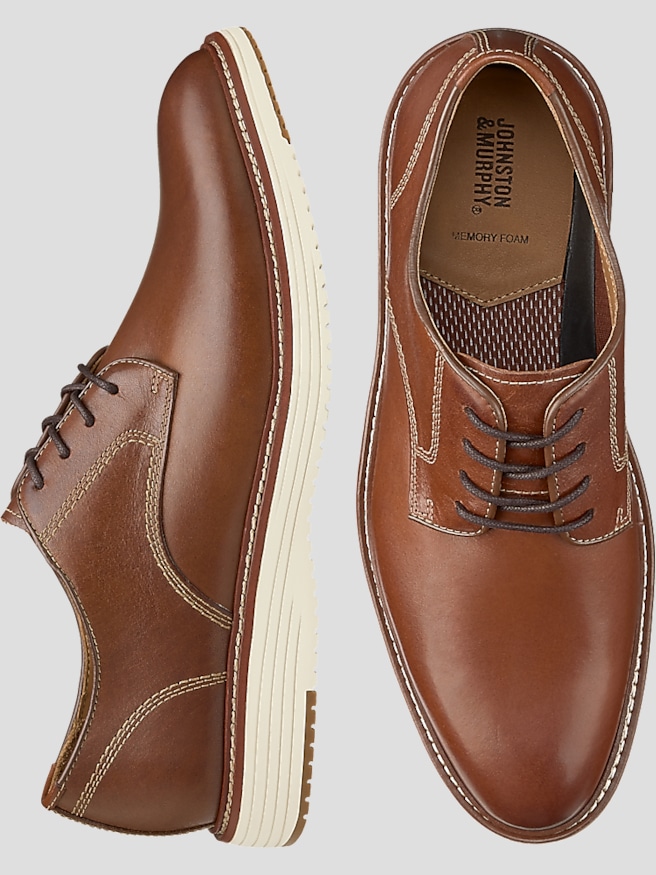
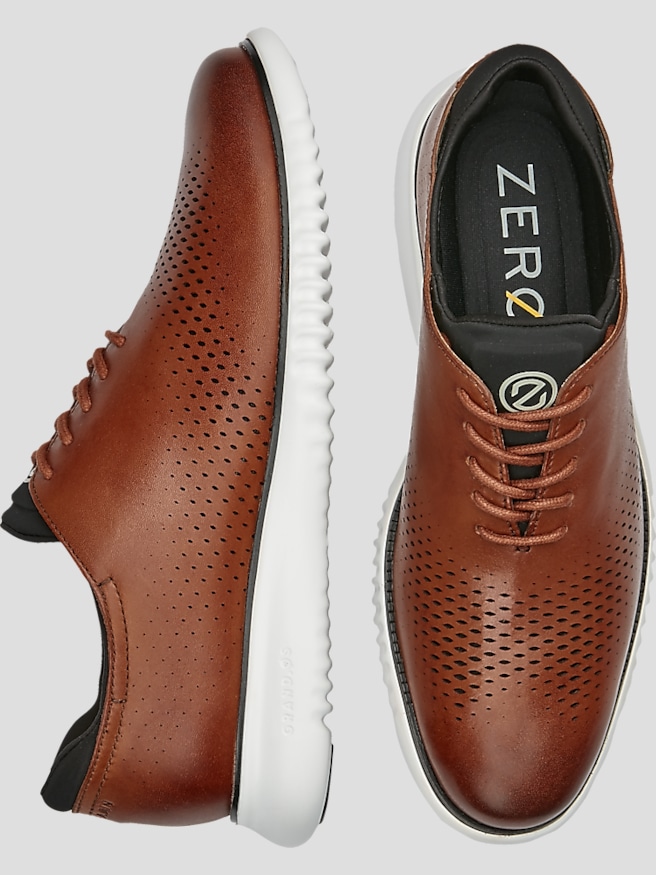
Layering is central to comfortable business casual dressing because office temperatures, commutes, and outdoor conditions can vary throughout the day. A lightweight sweater over a collared shirt creates a neat, approachable look, while a tailored jacket adds structure when an important presentation or lunch meeting appears on the calendar. During the cooler months, an overcoat or other polished outer layer can protect a carefully chosen outfit without making it look bulky. Look for fabrics that feel comfortable indoors and move easily, such as cotton blends, wool blends, fine knits, and breathable performance materials. Texture also helps an outfit look considered: a softly woven shirt, brushed trouser, or subtle knit layer can create visual depth while staying within a professional palette. Footwear should support the overall level of formality. Loafers, Oxfords, polished lace-up shoes, and streamlined boots can all work well, depending on the office environment and the rest of the outfit. Clean lines and a well-maintained finish often matter more than ornamentation. Belts, socks, bags, and other accessories should coordinate with the clothing rather than compete with it; matching the general tone of leather accessories and choosing socks that complement the trousers can make even a simple outfit appear more complete. Before purchasing, consider how often each piece can be worn, whether it can be mixed with clothing already in the closet, and how easily it can be cared for. A garment that resists wrinkles, layers comfortably, and works across several combinations may provide more practical value than a statement piece reserved for rare occasions. For additional seasonal combinations and transitional wardrobe ideas, explore Business Casual Outfits For Fall.
These recommendations can also make thoughtful gifts for a graduate, new employee, recent promotion, or someone preparing for interviews and professional events. Clothing gifts are easiest to get right when they reflect the recipient’s routine: a commuter may appreciate versatile layers and comfortable shoes, while someone in a client-facing role may benefit from tailored separates that can be dressed up or down. If you are choosing for another person, neutral colors and adaptable silhouettes are often reliable, and checking preferred sizes, workplace expectations, and existing wardrobe colors can make the gift feel personal rather than generic. For anyone assembling outfits from this collection, begin with the setting and build around the most formal element. A structured jacket can be softened with chinos and a knit shirt, while dressier trousers can be balanced with a simple button-down and understated footwear. On a day spent moving between a cool sidewalk and a warm office, removable layers keep the outfit comfortable and presentable; on a day filled with presentations, a sharper jacket and polished shoes can provide extra confidence. Fit adjustments are worth considering as well, since small changes to sleeve length, trouser break, or shirt proportions can transform the appearance of an outfit. Business casual does not require a closet filled with separate looks. A carefully selected rotation of trousers, shirts, sweaters, jackets, and dependable shoes can create many combinations for the early fall transition through the colder part of the season. The best choices are the ones that feel natural to wear, support the demands of the workday, and maintain a clean, capable appearance from the first meeting to the final stop on the way home.