Business casual outfits for winter combine warm fabrics, comfortable layers, and polished separates that feel appropriate for the workplace without the formality of a full suit. The balance often starts with tailored trousers or clean-cut chinos, a collared shirt, and a sweater or softly structured jacket. In an office where expectations lean dressier, wool-blend trousers with a button-down shirt and an unstructured blazer create a composed look. A more relaxed workplace may call for cotton twill pants and a fine-gauge crewneck, with a shirt collar showing neatly at the neckline. These combinations accommodate cold commutes and heated meeting rooms because each layer has a purpose rather than simply adding bulk. Fabric makes a noticeable difference in how an outfit looks and feels. Wool and wool blends offer warmth with a refined surface, while brushed flannel brings a softer texture to trousers and jackets. Merino wool knits can provide insulation in a relatively light layer, making them useful beneath a blazer. Cotton Oxford cloth and cotton twill shirts have enough substance to sit comfortably under knitwear, and a small amount of stretch can add flexibility to pants worn through a full day of sitting, standing, and walking. Texture also gives winter business casual clothing its character. A heathered sweater, a subtly patterned shirt, and smooth trousers create depth without relying on bold color or prominent details. Navy, charcoal, medium gray, brown, and olive are versatile foundations, with cream, burgundy, or muted blue adding contrast. A charcoal sweater over a pale blue shirt, paired with dark olive chinos, feels considered without appearing overly coordinated. For workplaces with more traditional standards, a navy jacket, gray trousers, and a white or blue shirt keep the overall effect familiar and restrained. The result is clothing that looks intentional at a desk, across a conference table, or over lunch with colleagues, while still feeling less formal than traditional business attire.
Fit determines whether winter layering looks streamlined or crowded. A shirt should sit comfortably across the shoulders, with enough room through the chest to move without pulling at the buttons. Under a sweater, excess shirt fabric can bunch around the waist and upper arms, so a balanced cut matters more than choosing the narrowest silhouette. Knitwear needs room for the layer beneath it while keeping the shoulder seams and cuffs in proportion. A sweater that stretches tightly across the torso may restrict movement and distort the fabric, while an overly loose one can collect beneath a jacket. Blazers worn over knitwear benefit from adequate space through the chest and sleeves, allowing the arms to move naturally without making the jacket appear oversized. Trousers should feel comfortable when seated, with a clean line through the leg and a hem that works with the intended footwear. A slightly tapered or straight leg can look polished with either lace-up shoes or understated boots, depending on workplace expectations. Construction and care are equally important for clothing that becomes part of a regular work rotation. Secure buttons, even seams, neatly finished hems, and knit cuffs that recover their shape are useful details to consider. Tightly knitted fabrics can feel smooth beneath a jacket, while heavier knits contribute more texture and may work better as the outermost indoor layer. Care requirements vary by fiber, weave, lining, and garment construction, making the care label the best reference. Some sweaters are washable, while others need hand washing or professional cleaning; structured jackets and certain trousers may require professional care as well. Allowing clothing to air between wears, treating marks promptly according to the care instructions, and storing knits folded can help preserve their appearance. Appropriate hangers support jackets at the shoulders, and rotating trousers gives the fabric time to recover. Occasional gentle removal of surface pills can refresh suitable knitwear without treating normal wear as a reason to replace an otherwise useful layer.
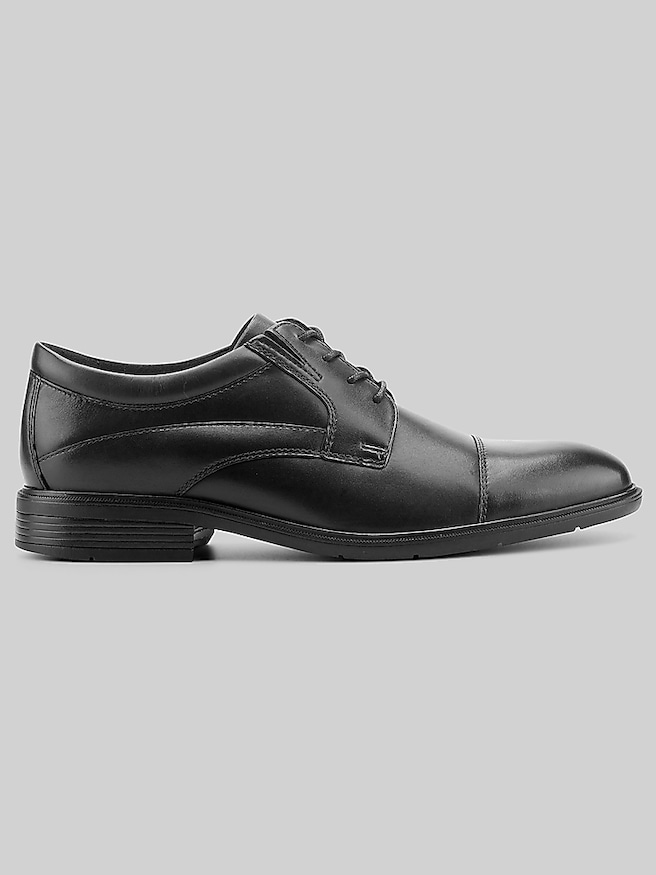
Winter work outfits also need to make sense beyond the office door. A coat with enough room over a blazer or sweater preserves the shape of the layers underneath and makes a morning commute more comfortable. Wool-blend overcoats lend a tailored finish, while other workplace-appropriate outerwear may offer practical features for wind or precipitation. The distinction matters on days that include a walk from the train, a trip between buildings, or an off-site appointment. A scarf and gloves can provide additional coverage without requiring a heavier indoor outfit, and restrained colors make them easy to coordinate with several combinations. Footwear in the Business Shoes for Winter collection plays a similarly practical role in a complete work wardrobe. Smooth leather brings a polished finish, while textured leather or understated boots can complement flannel trousers and substantial knitwear in less formal settings. Sole construction, tread, and any stated water-resistance features deserve attention when travel includes wet sidewalks or wintry conditions; a dressy appearance alone does not establish weather protection or traction. Footwear should also have enough room for the socks worn with it, without allowing the heel to slip. Following the material-specific care instructions, removing road residue promptly, and letting damp shoes dry away from direct heat can help maintain their finish. Together, these details support outfits suited to a broad range of professional routines, from an early presentation to an afternoon spent moving between workspaces. They also make winter business casual clothing useful for someone starting a new position, returning to an office schedule, or building a more coordinated work wardrobe. When clothing is intended as a gift, familiar sizing, preferred fabrics, and the recipient’s workplace dress expectations provide a helpful starting point. Across those situations, the strongest combinations share the same qualities: comfortable proportions, complementary textures, manageable care needs, and enough warmth for the journey without unnecessary weight indoors.