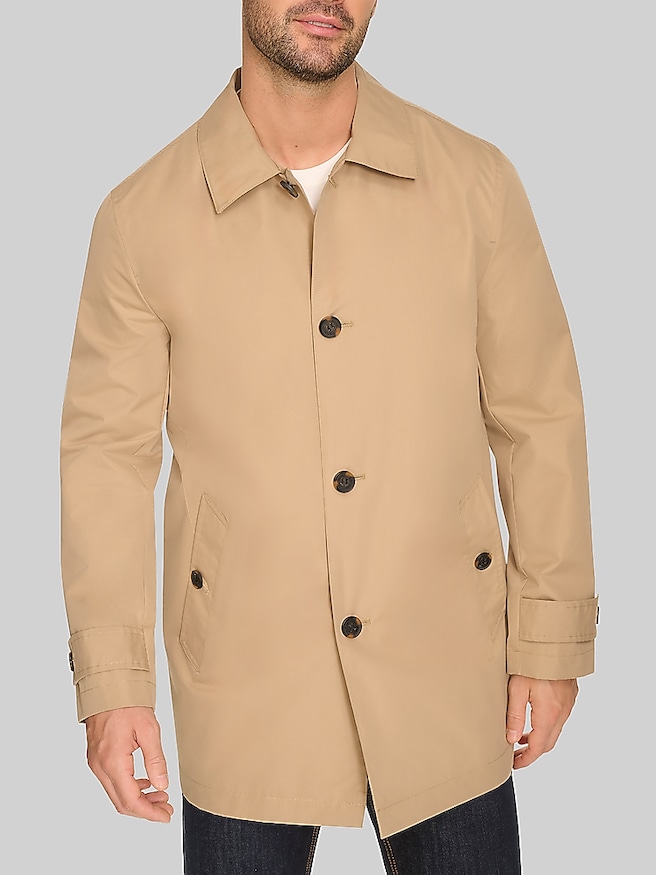
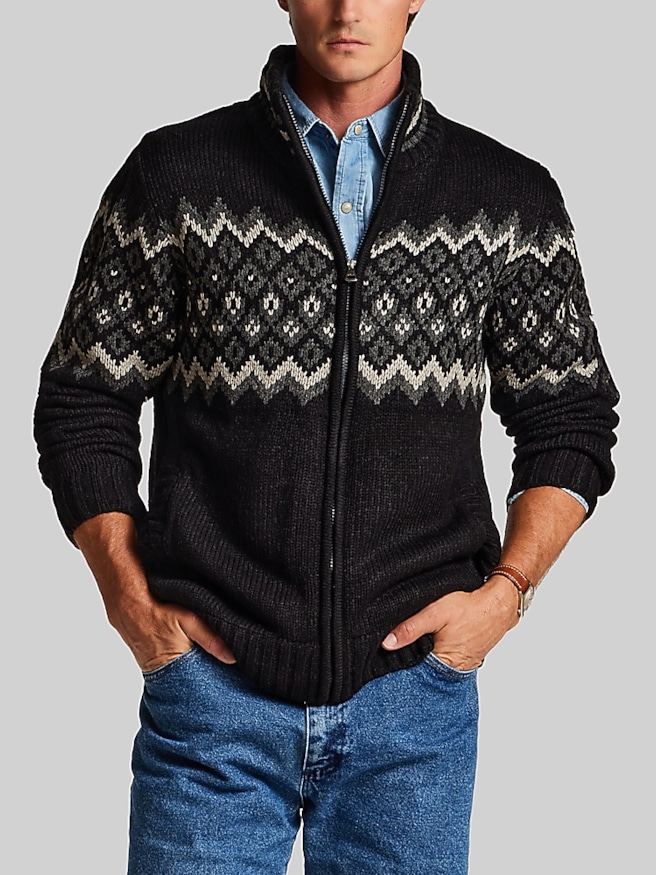
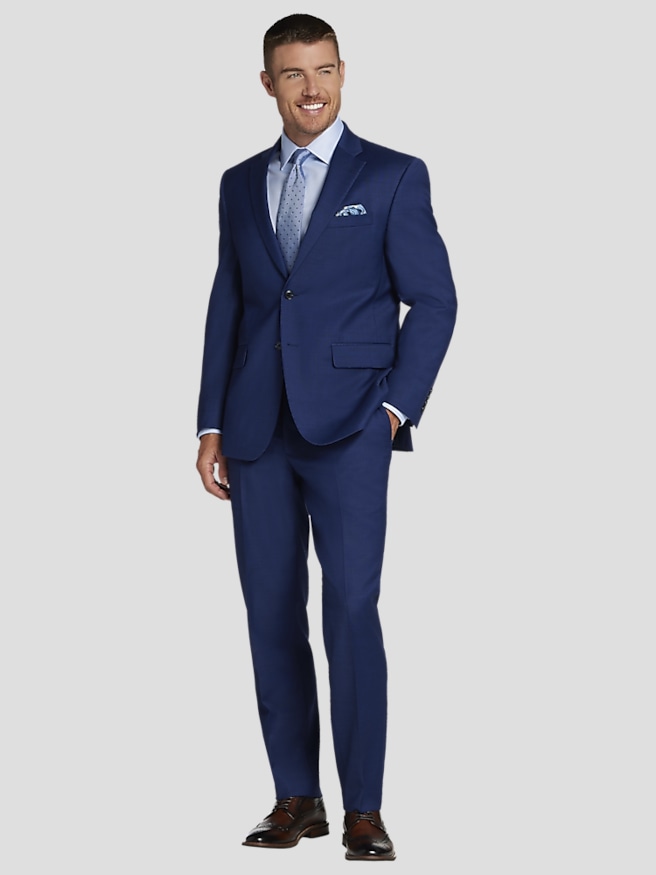
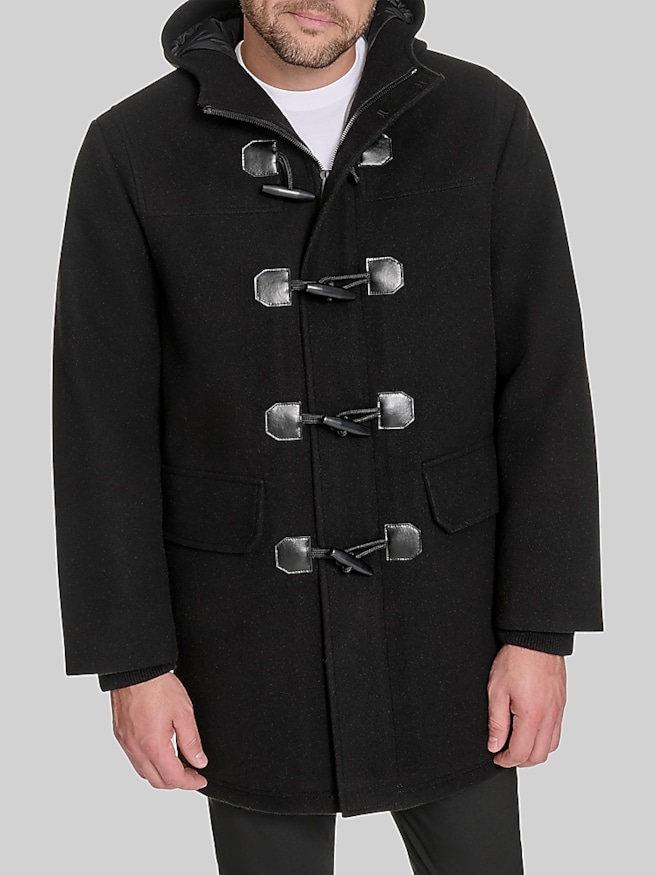
Dressy casual winter outfits bring together the polish of tailored clothing and the comfort needed for cold days, making them useful for commutes, dinners, weekend gatherings, travel, and indoor-outdoor plans. The strongest combinations usually begin with a lightweight base layer that sits smoothly beneath other clothing, such as a fitted long-sleeve shirt, thermal undershirt, henley, or fine-knit mock neck. From there, add warmth through breathable fabrics rather than relying on one bulky piece. Merino wool, cashmere, brushed cotton, corduroy, flannel, and wool blends provide insulation while adding the rich texture that gives a cold-weather outfit depth. A crewneck sweater in charcoal, navy, oatmeal, or deep green can look relaxed with dark denim, while a fine-gauge turtleneck creates a more refined foundation beneath a sport coat or topcoat. For a buttoned-up finish without feeling formal, layer a crisp button-down under a sweater and leave the collar visible. The goal is a clean outline: base layers should be close enough to prevent bunching, knitwear should allow comfortable movement, and an outer layer should glide over everything without pulling at the shoulders. These details matter when moving from a chilly sidewalk into a heated office, restaurant, or family gathering, where easy layering keeps the outfit comfortable throughout the day.
Trousers and footwear help determine how dressy the overall look feels. Tailored wool trousers or brushed flannel pants create a polished appearance with a sweater and leather shoes, while dark-wash denim offers a more relaxed direction when paired with a structured jacket or refined knit. Corduroy adds a subtle vintage character and performs especially well in cooler weather because its ridged texture feels substantial without appearing heavy. Look for a straight or slim-straight cut that leaves enough room for natural movement and works cleanly with boots. Leather Chelsea boots, chukka boots, derbies, and other structured ankle styles provide a sturdy foundation for cold-day dressing; sleek dress sneakers can work for casual settings when their shape is clean and their color complements the rest of the outfit. Socks deserve attention, too. Merino or wool-blend pairs help retain warmth and can add a quiet accent when trousers sit above the shoe. If rain, slush, or damp pavement is part of the routine, prioritize weather-ready soles and materials that are easy to maintain. A scarf in wool or a soft blended weave adds warmth around the neck, while leather gloves and a textured knit cap can complete the outfit without making it appear overly bundled. Neutral colors make coordinating simple, but a muted rust, forest, burgundy, or camel accent can bring dimension to an otherwise monochromatic combination. For additional ideas that balance polished layers with everyday comfort, browse Business Casual Outfits For Winter.
These outfits are practical for anyone who wants to look put together while staying comfortable through changing temperatures. They can support a weekday commute, a casual client meeting, a dinner reservation, a school event, or a relaxed celebration where a full suit would feel too formal. For an indoor and outdoor schedule, choose a thinner base layer, a medium-weight sweater, and a coat with enough room for movement; this arrangement makes it easy to remove one layer once inside. For longer time outdoors, add a warmer overcoat, insulated accessories, and footwear with dependable traction. A sport coat in tweed, herringbone, or a soft wool blend can sharpen denim or corduroy, while a simple overcoat instantly gives knitwear and tailored trousers a more finished appearance. Fit is especially important in winter because several garments are worn together. Check that shirt cuffs can extend naturally from sweater or jacket sleeves, that the coat closes comfortably over knitwear, and that trousers do not bunch excessively over boots. These pieces also make thoughtful gifts for a partner, parent, sibling, friend, or colleague who appreciates useful wardrobe staples. A versatile scarf, quality sweater, leather gloves, or a pair of well-made socks can be easy to wear and meaningful without requiring an exact fit, while trousers, jackets, and outerwear are best selected with personal measurements and preferred silhouettes in mind. Whether the finished outfit leans classic, modern, rugged, or quietly refined, the most successful cold-weather wardrobe is one built around comfortable layers, dependable fabrics, and colors that work together from early fall through the cooler months.