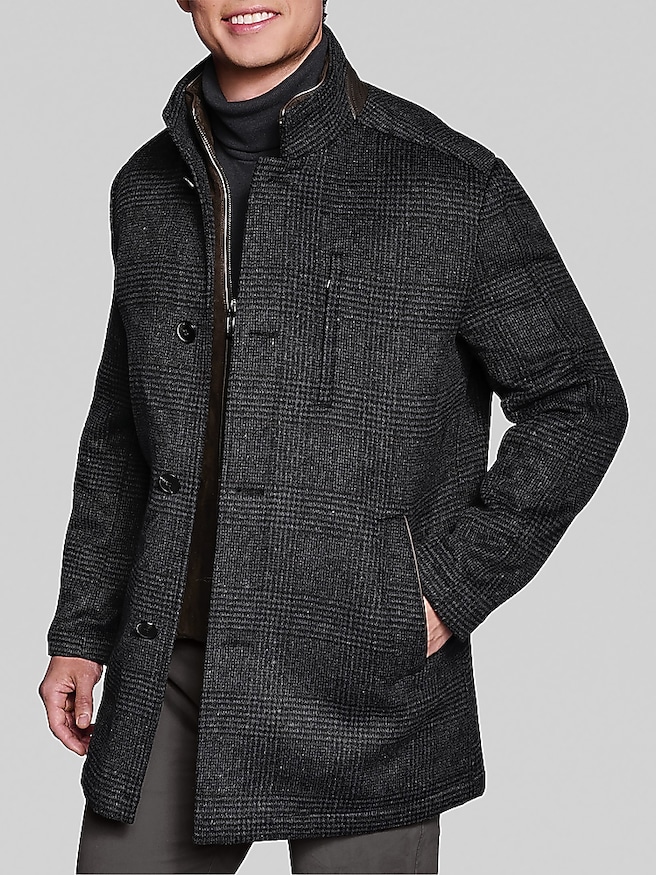
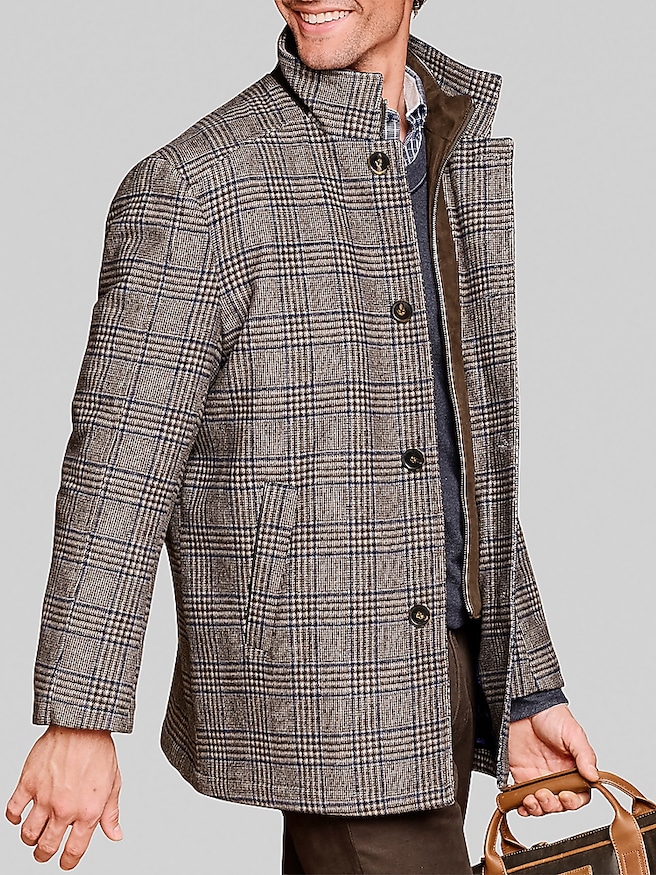
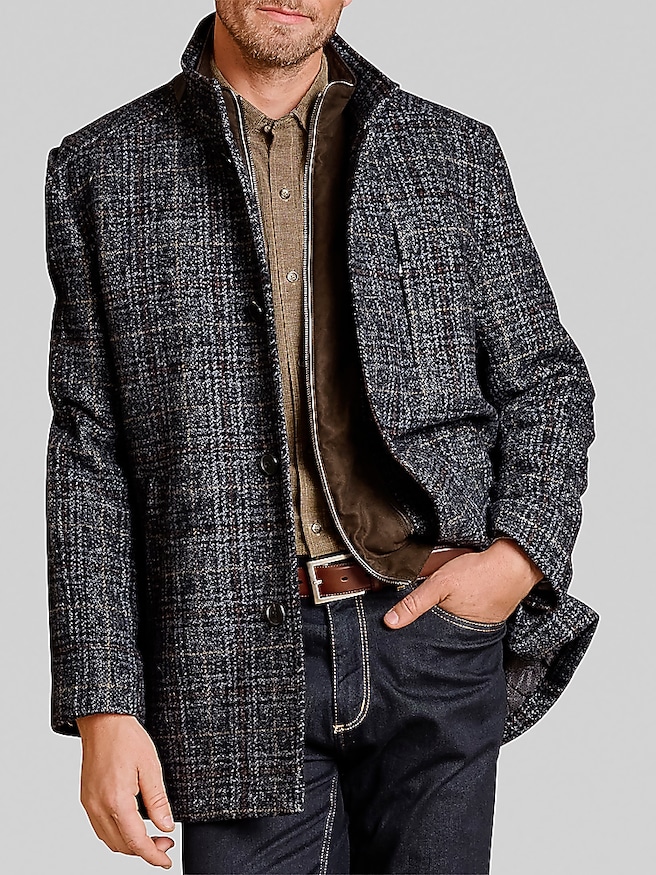
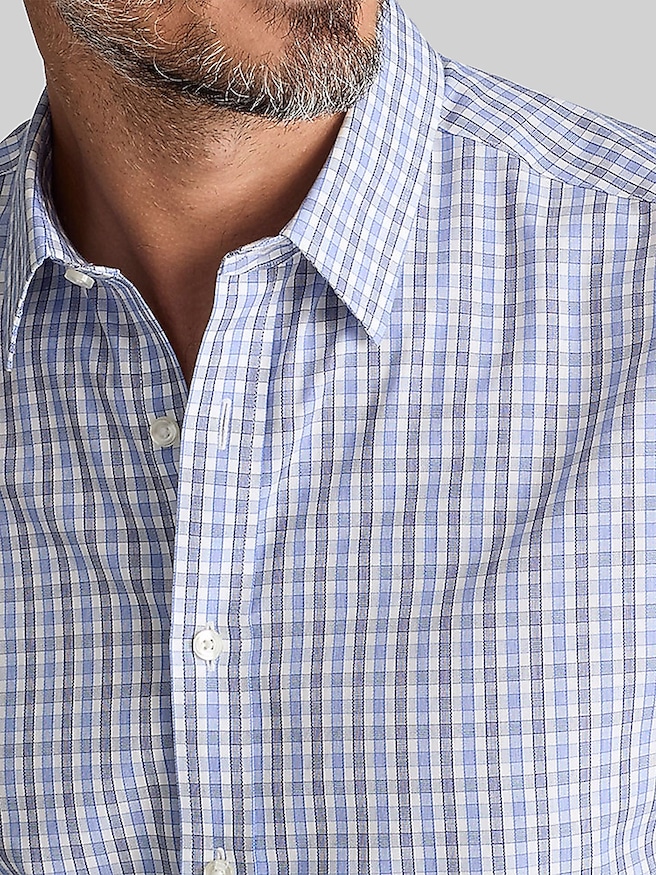
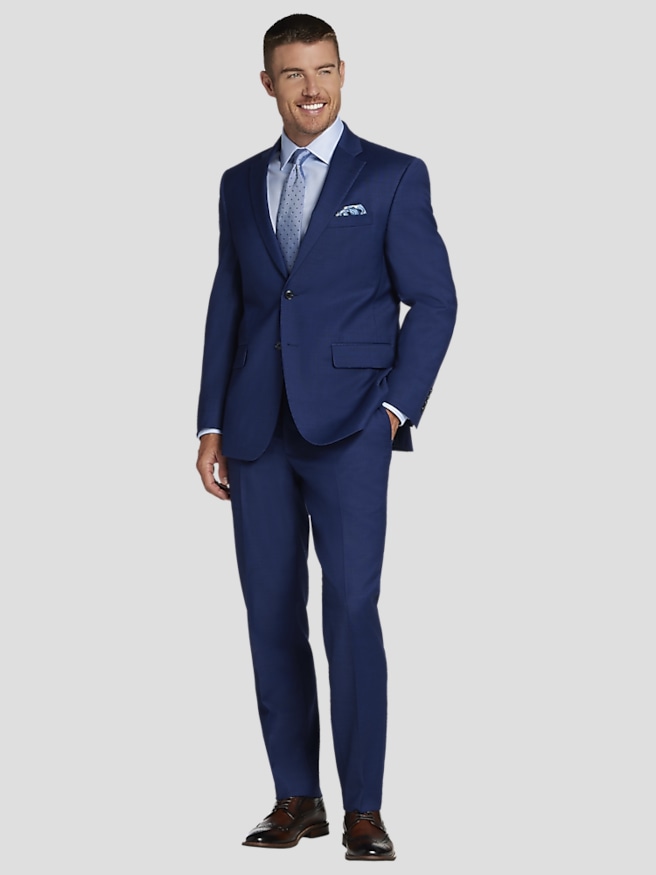
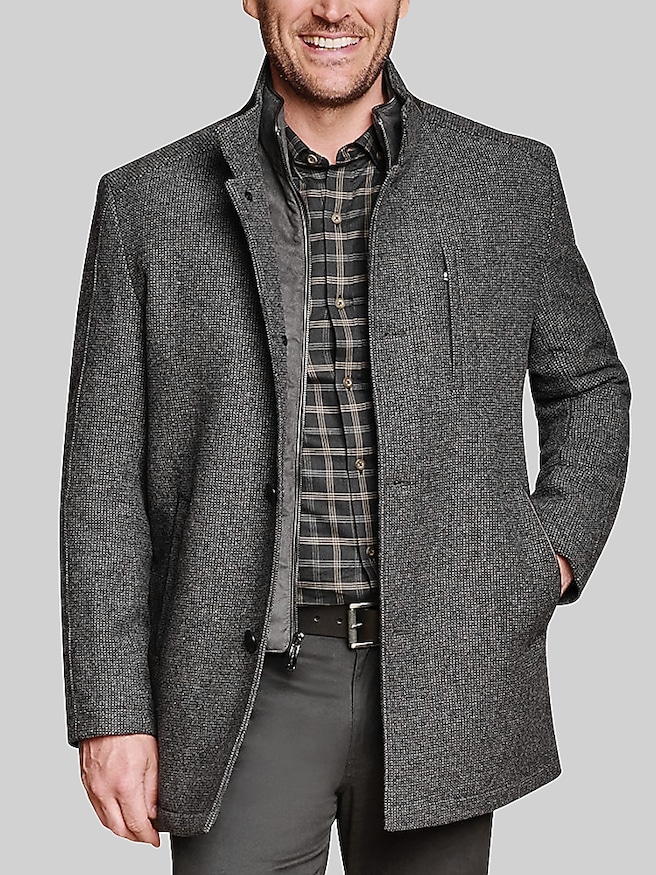
A versatile winter outfit for men combines a comfortable base layer, an insulating sweater, substantial pants, and outerwear suited to the conditions. A crewneck knit over a lightweight thermal shirt, paired with dark straight-leg denim and a wool-blend overcoat, creates a clean, everyday look; wool trousers and a fine-knit turtleneck bring a more polished feel to the same basic combination. The appeal is practical as much as visual: separate layers allow an outfit to stay comfortable through a cold walk to the train, a heated office, and dinner afterward. Materials make a noticeable difference in how those layers perform. Wool helps regulate temperature and can retain some insulating ability when damp, while merino wool offers a finer texture that often feels smoother against the skin. Cashmere provides softness and warmth without much weight, although it benefits from gentle handling and protection from repeated friction. Cotton sweaters offer familiar comfort for indoor settings and relatively mild winter days, but cotton absorbs moisture and dries more slowly than many performance fibers. Blended fabrics can balance softness, shape retention, and ease of care, depending on their composition and construction. A dense knit generally limits airflow more effectively than an open stitch, while brushed flannel adds a soft surface that feels inviting without requiring a bulky silhouette. For pants, corduroy brings texture and substance, wool flannel offers a refined drape, and heavier denim lends itself to relaxed everyday wear. Fabric weight alone does not tell the whole story: lining, weave, and the space between layers also affect comfort. An overcoat with a smooth lining slips more easily over knitwear, while a higher collar can add coverage around the neck. Together, these details distinguish clothing that simply looks substantial from clothing that feels comfortable through ordinary winter routines. The strongest combinations leave room for movement, provide warmth appropriate to the setting, and look complete even after the outer layer comes off.
Fit gives winter clothing its structure, especially when several layers share the same space. A sweater should sit comfortably across the shoulders without pulling at the underarms, and its hem should work with the rise of the pants rather than bunching beneath a jacket. Close-fitting base layers help reduce excess fabric, but they should not restrict reaching, bending, or sitting. Midlayers need enough ease to accommodate a shirt underneath while still fitting smoothly inside outerwear. An overcoat intended to go over tailoring requires more room through the chest, upper arms, and shoulders than one worn only over a thin knit. Trying that combination while seated, with arms extended, can reveal tightness that is easy to miss while standing still. Pants deserve the same attention. A straight or gently tapered leg can balance the visual weight of a sweater and coat without clinging to the calf or collecting heavily over footwear. A clean hem also limits contact with wet sidewalks. Color and texture help those practical choices feel intentional. Navy, charcoal, camel, olive, and cream pair easily with one another, giving patterned scarves or richly colored knitwear space to stand out. A charcoal sweater against dark denim creates a quiet, streamlined foundation, while a camel coat adds contrast without relying on a bold print. Ribbed knits, fine corduroy, and brushed wool introduce depth even when an outfit stays within a narrow color range. For an office with a relaxed dress code, a collared shirt beneath a merino crewneck and wool-blend trousers can look composed without feeling overly formal. Weekend lunches, casual gatherings, and travel days often call for softer layers, denim, and footwear comfortable enough for extended walking. For similarly relaxed combinations, Men's Casual Winter Outfits For Cold Days brings the focus to everyday dressing. The common thread is clothing that suits the actual day, whether that means a short walk between buildings or several hours moving between indoor and outdoor spaces.
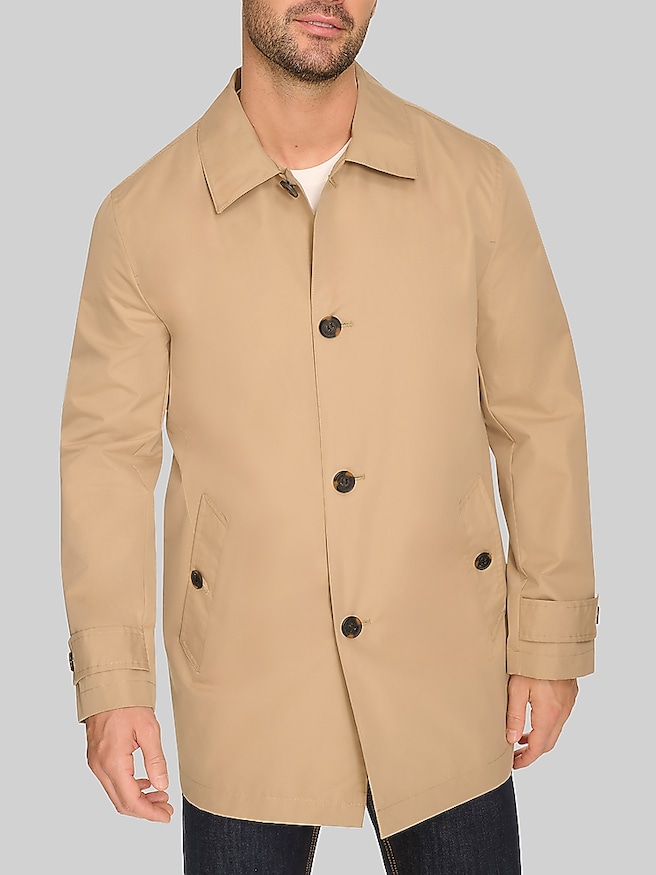
Outerwear and finishing layers determine how well an outfit handles exposure beyond the doorway. A wool overcoat brings a tailored appearance to city commutes and evening plans, but wool alone should not be treated as a substitute for waterproof protection in sustained rain or wet snow. Insulated outerwear with a wind-resistant shell may be more suitable for longer periods outside, with warmth depending on insulation type, fill, construction, and coverage. Water-resistant and waterproof are not interchangeable descriptions; fabric treatments, sealed seams, and closure design all matter when moisture is a concern. Footwear also needs to match the setting. Leather boots can complement both denim and wool trousers, while a textured rubber outsole generally offers more grip than a smooth dress sole, though performance varies by surface and tread. Enough room for a comfortable sock matters more than a snug appearance that compresses the toes. Scarves, gloves, and hats complete an outfit while adding coverage where a coat leaves gaps, and a soft scarf can make a structured collar more comfortable against the neck. These accessories can also make thoughtful gifts for someone whose wardrobe preferences are familiar but whose clothing measurements are not. Neutral colors and agreeable textures tend to integrate easily into an established wardrobe. Long-term wear depends on care as well as construction. Secure seams, neatly finished buttonholes, stable ribbing, and a lining that does not pull across the back are useful details to notice. Care labels should guide cleaning, since similar-looking fabrics may require distinct methods. Knitwear generally keeps its shape better folded than hung, and occasional airing can reduce unnecessary washing when a garment is otherwise clean. A clothing brush helps lift surface dust from suitable wool fabrics, while gentle pill removal can refresh knitwear without aggressive pulling. Damp coats and footwear should dry away from direct heat, and road residue should be removed promptly using a method appropriate to the material. With considerate care and enough room for comfortable layering, winter clothing can remain a dependable part of everyday dressing well beyond a single season.