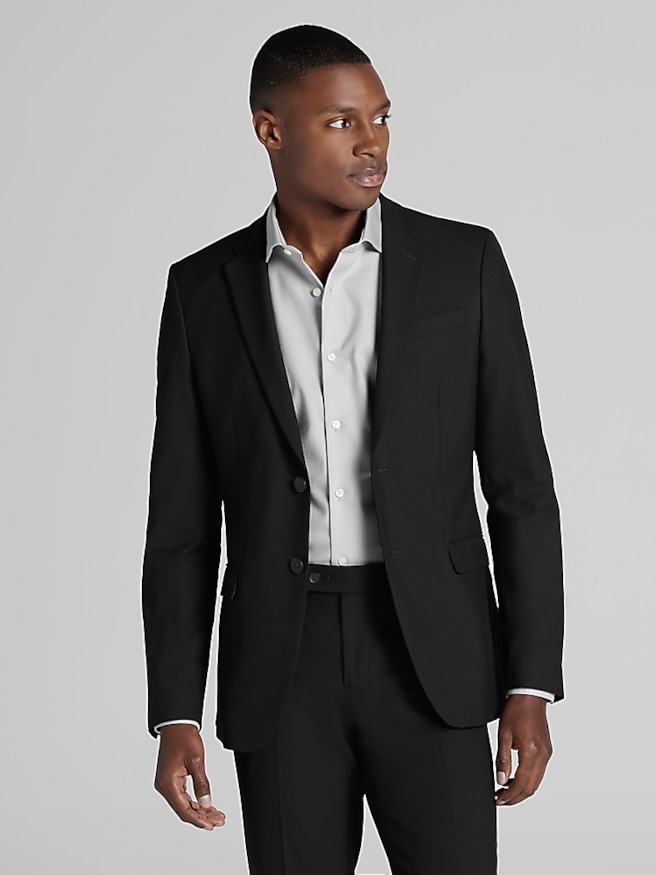
Business casual outfits for fall bring together tailored shapes, comfortable layers, and textured fabrics that look polished without the formality of a full suit. For men, that often means chinos or dress trousers paired with a button-down shirt, a fine-gauge sweater, or an unstructured sport coat, with leather footwear completing the look. The balance depends on the workplace: a client-facing office may call for a collared shirt and jacket, while a creative studio may welcome a knit polo and neatly fitted chinos. Across those settings, clean lines and thoughtful proportions make the clothing feel appropriate rather than overly relaxed. Navy, charcoal, olive, camel, burgundy, and deep brown provide a versatile fall palette, with white, pale blue, and cream adding contrast near the face. A navy jacket over a light blue shirt and gray trousers has a crisp, meeting-ready appearance; an olive knit over a white Oxford shirt with tan chinos feels more relaxed without losing definition. Texture adds interest even when the colors stay quiet. The soft surface of brushed cotton, the subtle grain of wool flannel, and the dimensional weave of an Oxford shirt can give a simple combination depth without a bold pattern. Small checks and muted plaids also work well when the surrounding pieces remain understated. These clothes suit office days, business lunches, professional networking events, and work travel where a full suit would feel too formal but denim and a sweatshirt would feel too casual. They also make sense for someone building a first professional wardrobe or returning to an office with a less rigid dress code. A useful fall business casual wardrobe is not necessarily extensive; it is cohesive. Trousers that work with several shirts, knitwear that fits comfortably beneath a jacket, and colors that repeat across layers allow familiar pieces to take on a fresh appearance. The result is clothing that can move from a morning presentation to an informal dinner without looking out of place at either.
Fabric and fit determine how well those combinations perform through a full day. Wool and wool-blend trousers offer warmth with a tailored drape, while cotton twill provides a more casual surface that pairs naturally with both woven shirts and sweaters. Merino wool can supply warmth in a relatively thin layer, making it useful beneath a sport coat without adding much bulk. Cotton knitwear offers a substantial feel and a less insulating alternative for offices that stay warm. Blended fabrics may add stretch, shape retention, or wrinkle resistance, although performance depends on the fiber mix and construction rather than the label alone. A touch of stretch can make seated work and a train commute more comfortable, but it should complement a good fit rather than compensate for clothing that is too tight. A shirt should lie smoothly across the chest, with enough ease to reach forward without pulling at the buttons. Shoulder seams should sit close to the natural shoulder, and sleeves should allow comfortable movement beneath another layer. With trousers, a clean line through the seat and thigh matters more than choosing the narrowest cut. Slim, straight, and fuller silhouettes can all look professional when the waistband sits securely and the hems meet the shoes neatly instead of bunching heavily. Jackets need enough room for the intended layer underneath; a fit that works over a shirt may feel restrictive over a textured sweater. For a commute that begins outdoors and ends in a heated office, removable layers are more practical than one heavy indoor piece. A fine knit beneath a softly structured jacket offers flexibility, while a separate overcoat can handle the outdoor portion of the day. Small finishing details reinforce that balance: a collar that stays neat beneath a crewneck, cuffs that do not collect at the wrist, and a trouser hem that clears damp pavement. None requires a highly formal outfit, but together they help everyday work clothing look deliberate and feel comfortable from the first appointment through the trip home.
Footwear and accessories give fall business casual clothing a finished appearance while supporting its intended use. Smooth leather loafers, understated lace-ups, and streamlined ankle boots can each complement tailored trousers or chinos, depending on the expectations of the office. A sleeker profile generally reads as more formal, while a substantial sole or visible grain brings a more relaxed character. The options grouped under Business Casual Shoes For Fall connect naturally with the textures and proportions of an autumn work wardrobe. For days that include walking between buildings or standing through a presentation, secure heel fit, comfortable toe room, and a sole suited to the walking surface deserve as much attention as appearance. Suede adds soft texture, though it needs suitable protection and is less practical for wet conditions than footwear designed for that exposure. A simple leather belt in a tone that complements the shoes creates continuity, and socks that relate to the trousers keep the lower half of the outfit visually connected. Durability also depends on what happens after the workday. Following each garment’s care label helps preserve its shape, color, and surface; wool trousers, cotton shirts, and blended knits may require distinct cleaning methods. Airing garments between wears when appropriate, addressing spots promptly, and avoiding unnecessary heat can reduce wear from repeated cleaning. Structured jackets benefit from supportive hangers, while sweaters generally keep their shape better folded than suspended from the shoulders. A fabric brush can lift surface debris from suitable wool garments, and careful use of an appropriate sweater comb can help manage pilling on compatible knits. Rotating footwear and allowing it to dry naturally after wear helps limit trapped moisture. These practical details matter for clothes expected to handle repeated commutes, long desk hours, and regular meetings. For a gift recipient starting a new job or refining an established work wardrobe, easy-to-coordinate knitwear or a versatile shirt can be thoughtful choices when sizing and care preferences are known. Lasting usefulness comes from comfortable fit, compatible colors, and materials that suit the recipient’s routine, not from an outfit reserved for a single occasion.