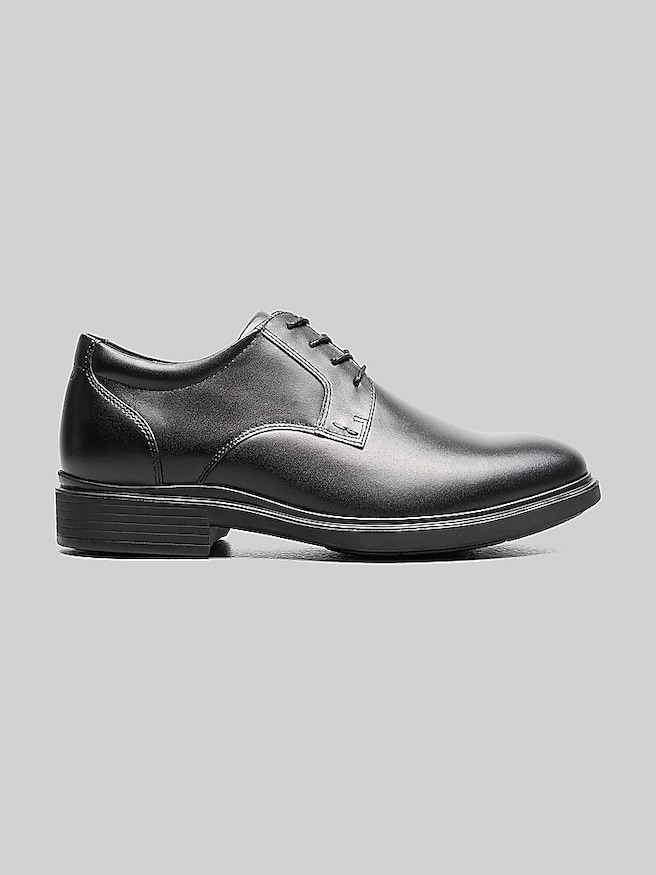
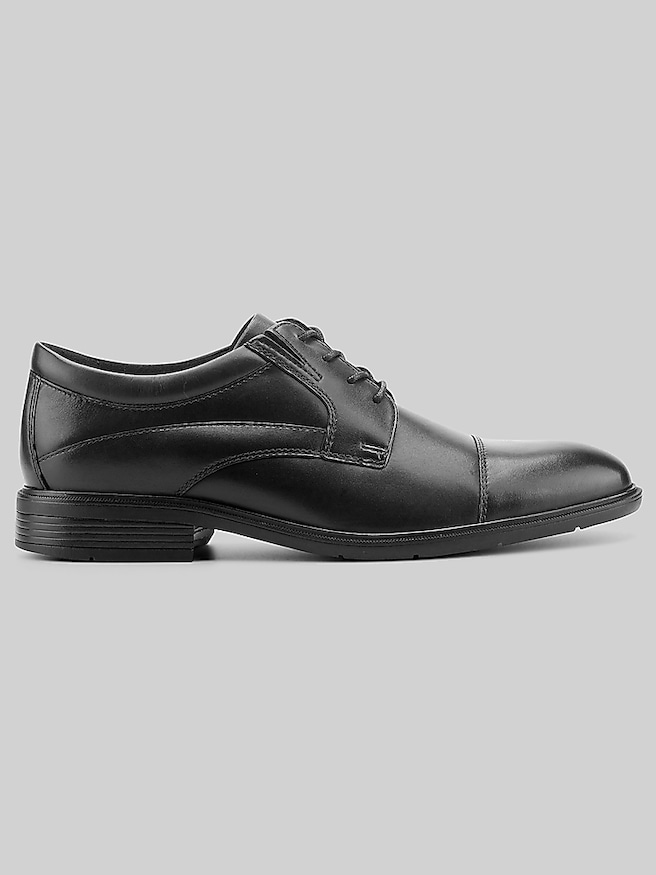
Business shoes for winter balance a polished office appearance with practical features for cold sidewalks, damp commutes, and exposure to slush and road salt. A clean silhouette keeps the look professional, while suitable uppers, dependable soles, and a comfortable fit help the shoes work beyond the office door. For someone moving between a train platform, a sidewalk, and a carpeted conference room, those details matter as much as the shape of the toe. Smooth leather is a versatile choice because it complements tailored clothing and can be cleaned and conditioned with products appropriate to its finish. Water-resistant treatments may help repel light moisture, but leather alone does not make a shoe waterproof; that distinction depends on the stated construction and materials. Suede brings a softer texture to business-casual outfits, though it generally calls for more caution around wet pavement and salt. Black and dark brown offer straightforward pairings with charcoal, navy, and gray trousers, while deeper burgundy tones can add subtle character without making the footwear the focus. Closed-lacing styles have a streamlined appearance suited to more formal offices, while open-lacing designs offer a slightly more relaxed look and often allow greater adjustment over the instep. Ankle-height dress boots can also fit a professional wardrobe when their profile is restrained and the trouser opening falls neatly over the shaft. Their added coverage may be useful on a brisk walk, although height by itself does not establish weather protection. The most useful choice reflects the actual workday: a short walk from a parking garage creates different demands than several blocks on foot between appointments. Winter business footwear should look appropriate at the desk without ignoring the route taken to get there, and understated construction often makes that balance easier to achieve. Matching the level of formality to the workplace also helps a pair move comfortably from an early client meeting to a quiet dinner after work, without looking overly rugged or unnecessarily dressy.
Underfoot construction deserves close attention because a sleek upper reveals little about how a shoe will feel on a long commute. Rubber outsoles with a defined tread pattern can provide a more practical surface for wet pavement than smooth leather soles, though grip varies with the sole compound, tread condition, and walking surface. No dress shoe should be treated as protection against every icy patch. A low, stable heel and a sole that flexes naturally through the forefoot can make ordinary walking feel less awkward, while enough cushioning helps soften repeated steps across hard station floors and office hallways. Extremely deep tread may look out of place with a formal suit, so a discreet pattern can be a useful compromise for work settings that expect polished footwear. On days involving deep snow or substantial ice, dedicated outdoor footwear for the commute and a separate pair for the office can be the more sensible arrangement. Fit matters just as much as traction. Winter business shoes should accommodate the socks intended for regular wear without squeezing the toes or creating pressure across the top of the foot. A substantial sock can change the fit noticeably, especially in a narrow toe box or a low-volume dress style. The heel should remain secure, the toes should have room to move, and the foot should not slide forward with each step. Buying an overly large size simply to create space for thick socks can introduce rubbing and instability instead of comfort. Wool-blend socks can add warmth and help manage moisture, while a lining may provide extra insulation for longer outdoor stretches. Heavily insulated footwear, however, can feel too warm in a heated office. For workdays spent mostly indoors, moderate warmth, breathable materials, and a well-balanced fit may be more useful than maximum insulation. Anyone who wears orthotics also benefits from checking interior depth and whether the footbed can be removed, rather than assuming every dress shoe has room for an insert.
Durability in winter business shoes comes from both construction and consistent care. Secure stitching, well-finished edges, and a firmly attached sole are useful details to examine, particularly where the upper meets the sole and moisture is likely to collect. Some welted constructions may allow resoling, but repair options depend on the individual shoe and should not be assumed from appearance alone. Even a sturdy pair benefits from attention after a damp commute. Removing surface grit with a suitable soft brush or cloth helps keep abrasive debris from working into the finish, while prompt treatment of salt marks with a material-appropriate cleaner can reduce lasting discoloration. Wet shoes should dry naturally away from radiators, heating vents, and other direct heat sources that can damage leather or affect adhesives. Once the shoes have dried, cedar shoe trees can help maintain their shape and absorb residual moisture. Conditioner, polish, and protective treatments serve distinct purposes, and each should suit the upper material; a product intended for smooth leather may be unsuitable for suede or a specialty finish. Rotating between pairs also gives linings and uppers time to dry fully, which supports comfort and helps keep shoes fresh. These habits are especially valuable for professionals whose schedules include repeated trips outside rather than one brief commute. Business shoes can also make a thoughtful gift for someone starting an office role, attending interviews, or building a more versatile work wardrobe, provided size, width, and workplace dress expectations are known. A familiar color and an understated profile usually offer more outfit flexibility than an unusual finish. For less formal offices and off-duty plans, Men's Casual Shoes for Winter offers a related direction when relaxed styling suits the occasion. Whether paired with a suit, tailored trousers, or a business-casual combination, well-chosen winter footwear brings together appropriate polish, realistic weather protection, and comfort that lasts beyond the first meeting.