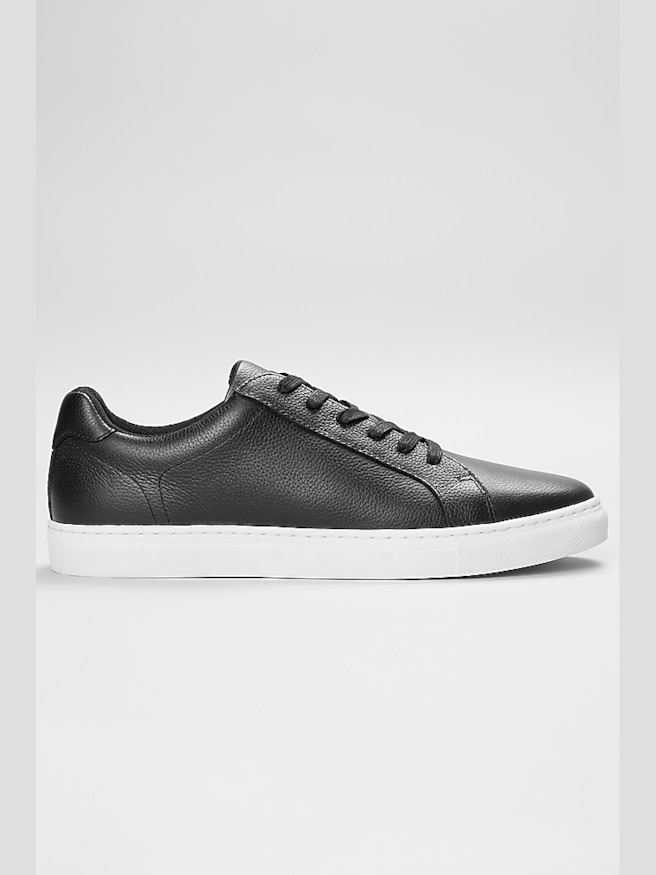
Men's casual shoes for winter balance everyday style with the comfort, coverage, and weather protection that cold-weather routines can require. The right pair feels at home beneath dark jeans at a neighborhood restaurant, with chinos in a relaxed office, or alongside corduroys and a wool sweater for an afternoon out. Leather sneakers, casual lace-ups, and ankle-height chukkas offer distinct ways to achieve that balance without the bulk of heavy snow footwear. Smooth leather brings a clean finish that works especially well with tailored casual clothing, while pebbled leather adds texture and can make minor surface marks less noticeable. Suede has a softer, more relaxed appearance, with a rich surface that pairs naturally with flannel, denim, and brushed cotton; it generally needs more protection from moisture than smooth leather. Textile panels can reduce weight and add flexibility, although their suitability for wet conditions depends on the fabric and construction. Dark brown, black, charcoal, and deep tan are versatile starting points, with darker shades providing a grounded contrast to lighter pants. Color alone does not determine versatility, however: a slim profile and understated stitching often look more polished, while substantial soles and visible paneling create a sportier effect. For outfits that call for a more refined finish, men's winter fashion shoes can connect relaxed clothing with a sharper overall look. A low-profile lace-up can sit neatly beneath straight-leg chinos, while a slightly higher shoe adds visual weight beneath heavier denim. Pants should fall comfortably around the shoe rather than bunching over the upper, particularly when the sole is thick. These proportions matter because winter clothing often has more texture and volume: substantial footwear can balance a quilted jacket, but a cleaner silhouette may be better suited to a fine-gauge sweater and an unstructured sport coat. The aim is footwear that looks intentional with everyday clothes and remains comfortable beyond the first short walk.
Materials and construction determine how well casual winter footwear handles the route between home, transportation, and indoor destinations. Water-resistant uppers can help with light moisture, but water resistance is not the same as waterproof construction, and neither should be assumed from a leather appearance alone. Seams, tongues, closures, and the connection between the upper and sole all influence where moisture might enter. An ankle-height design provides more coverage than a low-cut shoe, though height by itself does not establish warmth or weather protection. Lining is another important distinction. Soft fabric linings can make the interior feel more comfortable against a sock, while insulated designs provide additional warmth that may be useful for longer stretches outdoors. For someone moving mostly between a car and heated buildings, a less insulated shoe may feel more comfortable throughout the day. Breathability matters in either setting, since trapped perspiration can leave feet feeling damp. Underfoot, rubber outsoles with visible tread can offer more grip than smooth soles on some wet or uneven surfaces, but traction varies with the compound, tread pattern, surface, and conditions. Even a deeply patterned outsole does not make ice risk-free, and casual shoes are not substitutes for footwear designed for deep snow or prolonged exposure. Fit deserves the same attention as weather features. A winter sock takes up space inside the shoe, so a comfortable fit includes room for the toes to move without allowing the heel to slide repeatedly. Sizing up automatically can create excess movement rather than useful comfort; width, toe shape, and interior volume all affect the result. Cushioned footbeds can soften the feel of walking on hard floors, while a stable heel and flexible forefoot support a natural stride. For people who use orthotics, removable footbeds and sufficient interior depth may be useful considerations. A shoe that feels secure with the socks worn most often is better suited to commuting, standing at a gathering, and walking between stops than one that depends on tightly cinched laces to stay in place.
Durability comes from the combination of suitable materials, sound construction, and care that matches the finish. Repeated bending, damp sidewalks, and tracked-in grit put different stresses on winter casual shoes than a day spent entirely indoors. Consistent stitching, securely attached soles, and reinforcement around high-friction areas can contribute to a pair's ability to handle regular wear, although no single feature guarantees longevity. Smooth leather often benefits from gentle cleaning and occasional conditioning with a compatible product, while suede typically calls for a suede brush and treatment formulated for its textured surface. Protective treatments should match the material and follow the manufacturer's directions; they can help reduce moisture absorption or staining without turning every shoe into waterproof footwear. Road salt deserves prompt attention because residue can leave visible marks and affect the finish. After exposure, cleaning according to the care instructions and allowing shoes to dry naturally helps protect their appearance. Direct heat from a radiator or dryer can damage leather, adhesives, or other components, so room-temperature drying is generally the gentler approach. Giving shoes time to air out between wears also helps manage interior moisture, and shoe trees suited to the shape can help leather pairs retain their form. These details are especially relevant for someone who relies on casual footwear several days a week rather than only for occasional outings. Winter shoes can also be a thoughtful gift for a father, partner, brother, or friend whose routine includes relaxed office days, dinners out, or frequent walks around town. Familiarity with the recipient's size, preferred width, usual socks, and existing wardrobe makes the choice more personal and practical. A minimalist dresser may appreciate understated leather and simple lacing, while someone who favors rugged fabrics may prefer visible texture and a more substantial sole. Ultimately, men's casual winter shoes work best when their appearance, fit, and level of protection match the way they will actually be worn, bringing dependable comfort and a considered finish to everyday cold-weather outfits.