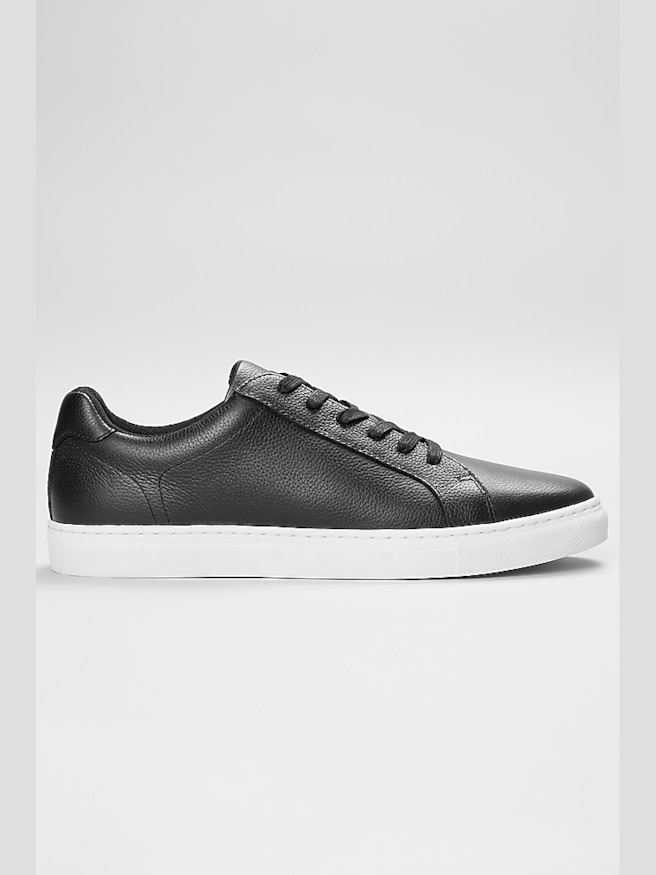
Winter casual shoes for men balance everyday comfort and relaxed style with the coverage, warmth, and traction that cold-weather routines can demand. The right combination depends on where the day leads: a short walk from the driveway to the office calls for something different from an afternoon of errands along damp sidewalks. Footwear that looks natural with jeans and a flannel shirt can also work with chinos, a knit sweater, and a casual jacket, making it useful for days that move between work and downtime. Materials play a large part in that versatility. Smooth leather offers a clean appearance and can develop character with regular wear and appropriate conditioning, while suede brings a softer texture that pairs especially well with denim and corduroy. Untreated suede generally needs more protection from moisture and road salt, so its appeal is strongest for dry conditions or carefully maintained wear. Textile panels can add flexibility and breathability, although their suitability for wet weather depends on the construction and any protective treatment. Water-resistant footwear can help with light moisture, but that description does not mean the shoe is waterproof. A waterproof membrane, sealed seams, and a tongue designed to limit water entry provide more meaningful information than appearance alone. Even then, water can enter above the opening, and protection should match the expected conditions. Warmth also comes from more than a thick lining. Upper coverage, underfoot cushioning, sock choice, and the amount of time spent outside all affect comfort. Insulation can be welcome on longer outdoor walks, while a lighter lining may feel better for someone who spends most of the day in heated rooms. The most useful casual winter footwear provides enough protection for ordinary outings without feeling unnecessarily bulky beneath a desk or at a dinner table. Neutral shades such as brown, black, gray, and deep tan keep the overall look grounded, while subtle stitching and textured uppers add interest without making an everyday outfit feel overdone. That understated approach makes winter footwear easy to repeat across a practical wardrobe.
Fit becomes especially important when winter socks enter the picture. A comfortable shoe leaves room for the toes to move without allowing the heel to lift excessively or the foot to slide forward on a slope. Extra-thick socks cannot reliably correct a loose fit, and squeezing them into a close-fitting shoe can create pressure across the forefoot or instep. Trying footwear with the socks intended for regular wear gives a more realistic sense of the fit, particularly when comparing a softly lined interior with a more structured leather upper. Both feet deserve attention, since small differences in size can become noticeable over a full day. A secure closure helps hold the foot in place, whether the design uses laces or another fastening, and the opening should feel comfortable around the ankle when walking, sitting, or climbing stairs. Cushioning can soften repeated steps on hard pavement, while a stable base and a shape that suits the foot matter just as much as an initially plush feel. Outsole construction is another practical consideration. Rubber compounds vary in flexibility and cold-weather performance, and visible tread alone does not establish how well a shoe will grip. Defined channels and edges can help provide purchase on uneven ground, but packed snow and ice remain challenging surfaces; ordinary casual footwear should not be treated as a substitute for equipment intended for severe conditions. Low-profile shapes tend to sit neatly beneath straight or tapered pants, while ankle-height silhouettes offer more coverage around the opening. Neither shape is automatically warmer or more protective, since lining, materials, and construction determine much of the performance. Durability shows up in details such as even stitching, reinforced areas exposed to rubbing, and a well-attached sole. At natural flex points, the upper should move comfortably with the foot rather than pinch. Footwear intended for everyday pavement wear has a different job from footwear meant for deep snow, prolonged exposure, or demanding outdoor work, and keeping those uses distinct supports both comfort and realistic expectations.
Regular care helps winter casual footwear retain its appearance through repeated contact with moisture, grit, and indoor heat. Loose dirt is easiest to address before it becomes ground into seams and textured surfaces, while road salt deserves prompt attention because it can leave marks and affect leather. Smooth leather generally responds well to gentle cleaning with a suitable product, followed by conditioning when needed and as recommended by the manufacturer. Suede requires its own approach: a dedicated brush can lift the nap and remove surface debris after the material has dried, while a compatible protector may help reduce staining. Protective treatments should always match the material, and a discreet test area can reveal unwanted darkening before the entire upper is treated. Wet footwear dries best away from radiators, fireplaces, and direct high heat, which can stress leather, adhesives, and other components. Removing removable insoles and opening the shoe allows better airflow; clean absorbent paper can help draw out moisture and support the shape. Allowing a pair to dry fully between wears also makes the next outing more comfortable. These habits matter whether the footwear accompanies a daily commute, weekend coffee stops, casual gatherings, or visits with family. Within the broader category of Men's Winter Shoes, casual styles serve the everyday space between polished dress footwear and specialized outdoor gear. They can also make a thoughtful gift for someone whose routine includes plenty of walking or whose wardrobe centers on denim, chinos, and comfortable layers. Familiarity with the recipient’s size, preferred fit, usual socks, and local conditions is more useful than choosing by appearance alone. A person who walks several blocks outdoors may value protective coverage and a substantial outsole, while someone moving mainly between a car and indoor destinations may prefer a lighter feel. The strongest everyday choice is one that suits those real habits, coordinates easily with frequently worn clothing, and remains comfortable beyond the first few steps. With appropriate materials, a well-matched fit, and consistent care, casual winter footwear earns its place through ordinary days rather than special occasions alone.