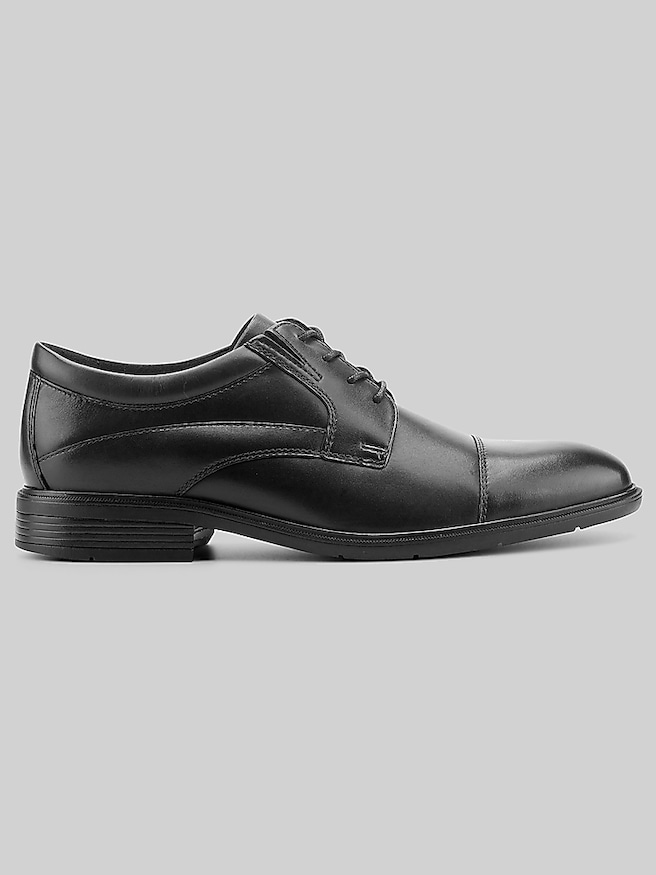
Men’s winter shoes bring a practical foundation to cold-weather dressing, balancing the character of polished footwear with the comfort needed for brisk sidewalks, chilly commutes, and long days away from home. A good match depends on where the day leads: a short walk from the parking garage to the office calls for something different from an afternoon spent outdoors on damp pavement. Leather is a familiar choice for its structured appearance and ability to develop character with wear, while suede adds a softer texture that works especially well with corduroy, flannel, and substantial knitwear. Neither material should be assumed to be waterproof; protection depends on the construction, finish, and any stated performance features. Smooth leather can be easier to wipe clean after light splashes, while suede generally needs more attention around moisture and road salt. Underfoot, rubber outsoles can provide a useful buffer between the foot and cold ground, and tread patterns may help with grip on uneven surfaces. No everyday shoe makes ice risk-free, however, and deep snow or prolonged exposure to wet conditions calls for footwear expressly designed for that purpose. Lining matters just as much as the exterior. Soft textile linings, leather linings, and insulated interiors each create a distinct feel, with the best choice reflecting activity level and how much time will be spent indoors. Heavy insulation may feel welcome outside but overly warm in a heated office. The most useful winter footwear balances warmth with breathability rather than simply adding bulk. Toe shape and sole thickness also influence the overall impression: a streamlined profile sits neatly beneath tailored trousers, while a more substantial sole complements denim and heavier outerwear. The broader appeal of Stylish Winter Shoes for Men lies in that meeting of function and appearance, where thoughtful materials and proportions help footwear feel appropriate for both the journey and the destination.
Fit gives men’s winter shoes their everyday usefulness, particularly when thicker socks become part of the outfit. There should be enough room for toes to move comfortably without the foot sliding forward or the heel lifting excessively with each step. Automatically choosing a larger size to accommodate winter socks can create rubbing or an unstable feel; the shoe’s width, depth, and shape are often just as important as its marked size. Trying footwear with the socks intended for regular wear offers a more realistic sense of comfort, especially across the top of the foot and around the ankle. Anyone who uses an orthotic should consider whether the interior has sufficient depth and whether the original footbed is removable. Cushioning can soften the feel of hard floors, but a plush first impression does not necessarily mean the shoe will provide lasting support through a full workday. A secure heel, comfortable arch area, and natural flex near the ball of the foot contribute to a more balanced fit. Closure design plays a role, too: laces allow small adjustments, while slip-on shapes rely more heavily on a close match between the shoe and the foot. Visually, winter shoes can anchor everything from office tailoring to relaxed weekend layers. Black leather has a clean, understated presence alongside charcoal trousers and a dark overcoat. Rich brown tones pair easily with navy, olive, and textured gray fabrics, while suede can soften the formality of a sport coat without making the outfit feel unfinished. Trouser length deserves attention, since fabric that drags across wet pavement can collect moisture and obscure the shoe’s shape. For business dinners, family gatherings, or a dressier evening out, a restrained silhouette keeps the focus on the complete outfit. As a gift for a partner, father, brother, or friend, winter footwear is most personal when it reflects an established routine and style preference. Knowing the recipient’s usual size, preferred width, and typical daily walking distance is more useful than choosing by appearance alone.
Durability in winter footwear comes from the relationship between materials, construction, intended use, and regular care. A sturdy-looking exterior tells only part of the story; consistent stitching, secure attachment between the upper and sole, and reinforcement around high-stress areas all deserve consideration. Some construction methods allow professional resoling, while others are not intended for that kind of repair, so long-term maintenance possibilities should be confirmed rather than assumed. Even well-made leather benefits from a break between wears, particularly after exposure to damp conditions. Giving shoes time to dry fully helps manage lingering moisture inside, and alternating pairs can reduce the repeated stress placed on the same areas day after day. After a wet walk, surface dirt is easier to address before it settles into seams and creases. A soft cloth can remove light moisture from smooth leather, while a brush suited to suede helps lift dry debris without flattening the texture. Care products should match the material and finish, with a small test in an inconspicuous area before broader application. Conditioner can help appropriate leather remain supple, but too much product may alter its appearance or leave residue. Protective treatments may reduce moisture absorption on compatible materials, yet they do not turn ordinary footwear into waterproof equipment. Salt residue also needs prompt attention with a method approved for the material, since aggressive scrubbing or soaking can cause further damage. Drying should take place away from radiators, hair dryers, and other direct heat sources that can stiffen leather or affect adhesives. Absorbent paper can help draw out moisture, while properly fitted shoe trees support shape once the interior is dry. Between wears, a ventilated space is preferable to a sealed container. These small habits preserve more than appearance: they help footwear maintain its shape, comfort, and usefulness through repeated wear. Whether the routine involves train platforms, office corridors, or a walk to dinner, men’s winter shoes work best when their capabilities match the conditions and their care matches the materials.