Top rated business casual clothing brings together the polish of office attire and the ease of clothes made for a full day of movement. Business casual generally means tailored trousers or chinos paired with a collared shirt, a refined knit, or an unstructured jacket, with footwear that looks clean and intentional. The right balance depends on the workplace: a client-facing office may favor pressed trousers and a button-down shirt, while a creative studio may welcome a knit polo and understated sneakers. Across those settings, the strongest foundation is clothing that fits comfortably, holds its shape, and looks put together without requiring a complete suit. Neutral colors such as navy, charcoal, tan, and white make that foundation easier to build because they work across several combinations. A subtle check, textured weave, or muted accent color adds variety without distracting from the overall look. For someone who moves from a morning presentation to an afternoon at a desk and then dinner with colleagues, versatile separates reduce the need for an outfit change. A softly structured jacket can make a simple shirt-and-trouser combination feel more polished, while removing the jacket leaves an outfit that still looks complete. Dark, undistressed denim may also fit a business casual dress code, but its suitability depends on office expectations rather than the label alone. When comparing top rated business casual options, ratings are most useful alongside details about fit, fabric, construction, and care. Comments about waistband comfort, sleeve length, or how a garment looks after washing can be more informative than a high score by itself. A reviewer who spends most of the day seated may value stretch differently from someone who walks between appointments. The most useful choice is one that suits the wearer's routine, not simply the one with the broadest appeal. For a first office wardrobe or an established rotation, consistency in fit and finish helps separate pieces work together naturally.
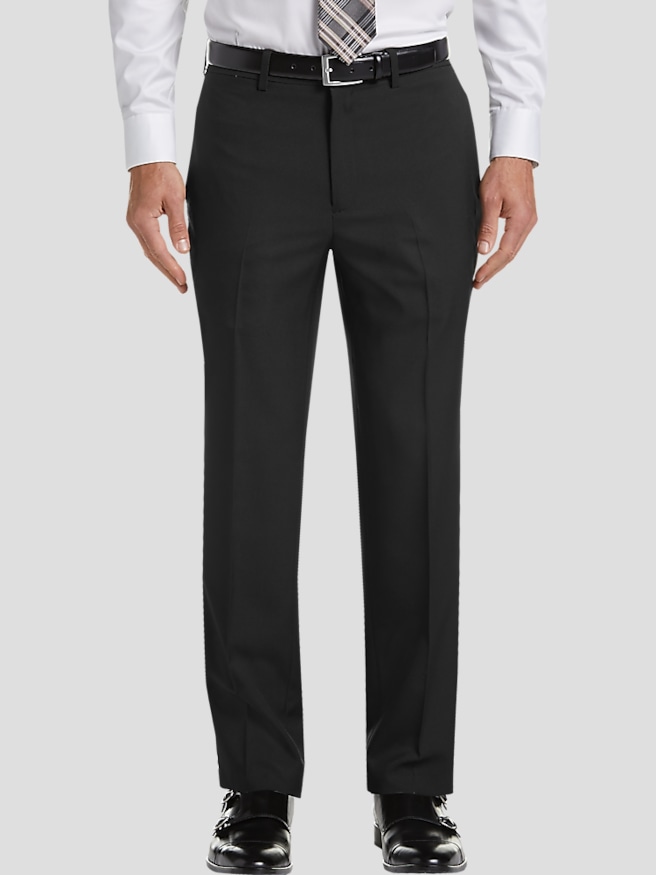
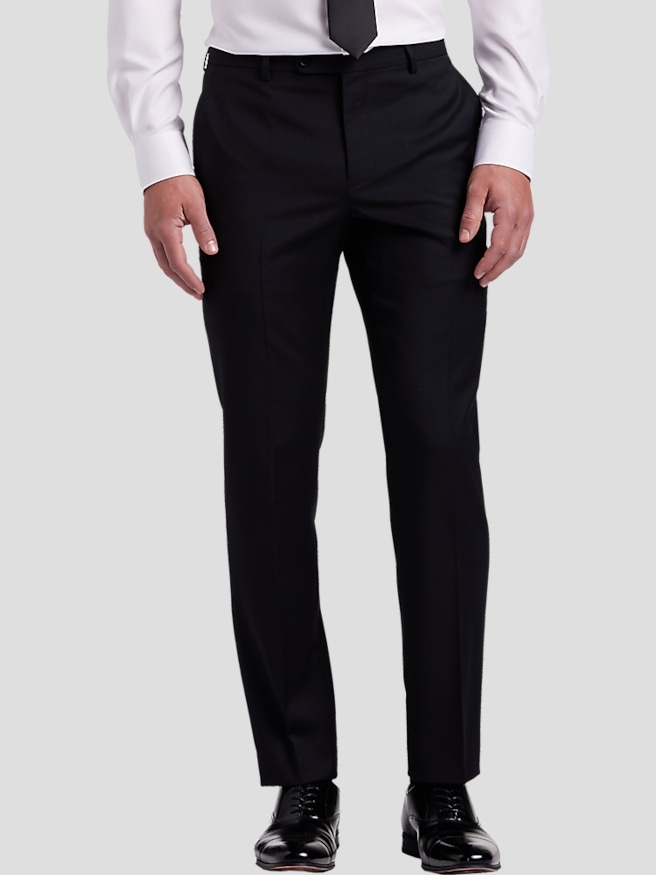
Fabric and construction make a noticeable difference over the course of a workday. Cotton offers a familiar feel and breathability, with smooth poplin giving shirts a crisp appearance and more textured weaves bringing a slightly relaxed character. Cotton twill is common in chinos because its diagonal weave provides substance and generally stands up well to repeated wear. Wool trousers can offer a clean drape and natural resilience, making them useful when a dress code calls for a more tailored appearance. Blended fabrics may combine those qualities with added stretch, wrinkle resistance, or easier care, although performance varies with the fabric composition and finish. A small amount of stretch can make sitting through a long meeting or reaching for a bag more comfortable without changing the visual character of the outfit. Moisture-wicking and wrinkle-resistant features can be useful for commuting and business travel when those properties are specified in the garment details; they should not be assumed from a smooth appearance. Fit matters just as much as fiber content. A shirt's shoulder seams should sit near the edge of the shoulders, its collar should close without pressing into the neck, and its front should lie smoothly rather than pull between the buttons. Trousers should stay comfortably at the intended waist position and allow room through the seat and thighs, with pockets that do not flare open. Slim, tailored, and classic fits offer different proportions, but none should restrict an ordinary stride or make sitting uncomfortable. A clean hem with little excess fabric keeps the line of the trousers neat and prevents bunching over shoes. With jackets and knit layers, enough room for the shirt underneath helps avoid pulling across the upper back. The combinations shown in Comfortable Business Casual Outfits offer another way to consider how relaxed movement and a professional appearance can work together. Looking at the whole silhouette, rather than the fit label alone, helps create an outfit that feels balanced from collar to hem.
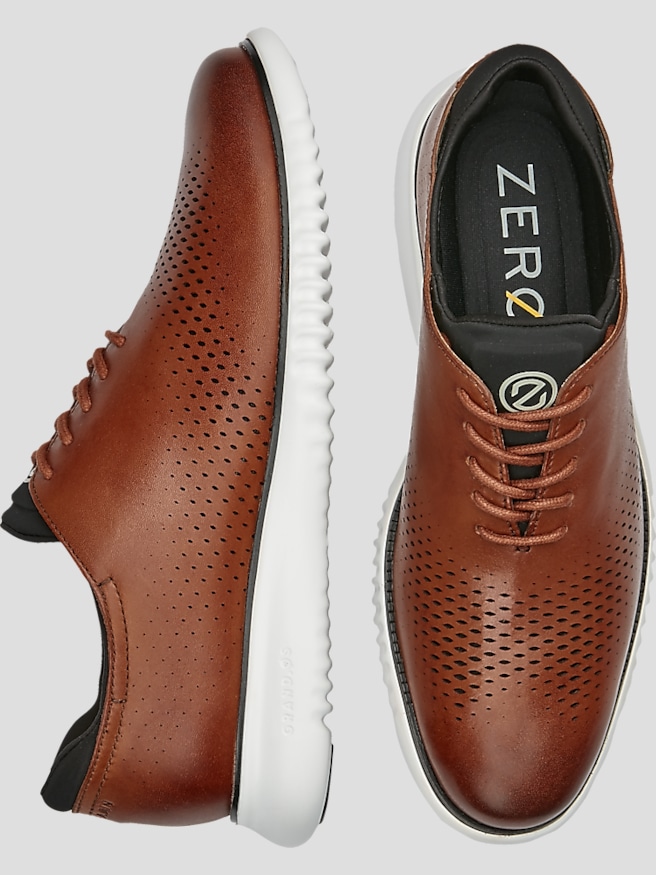
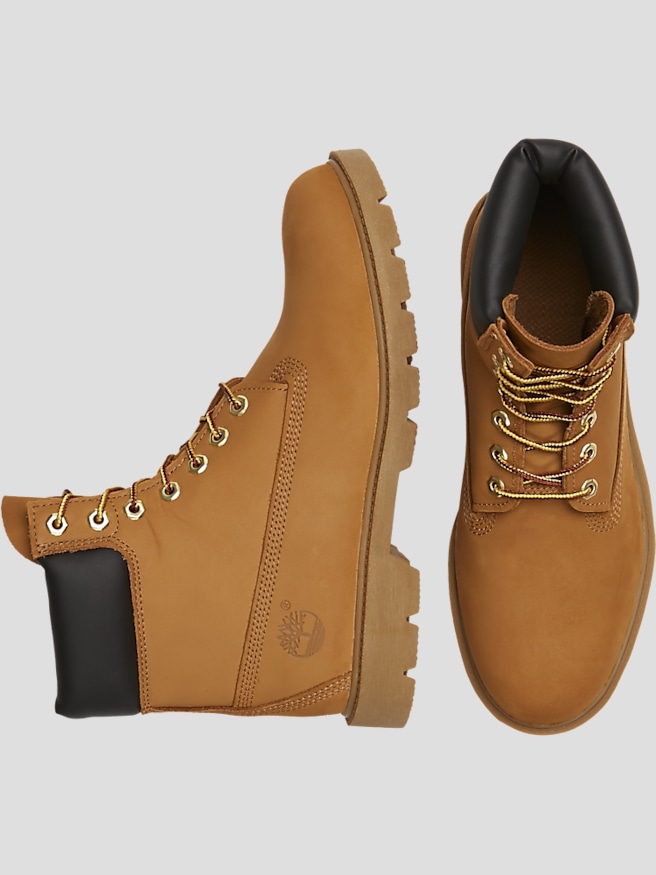
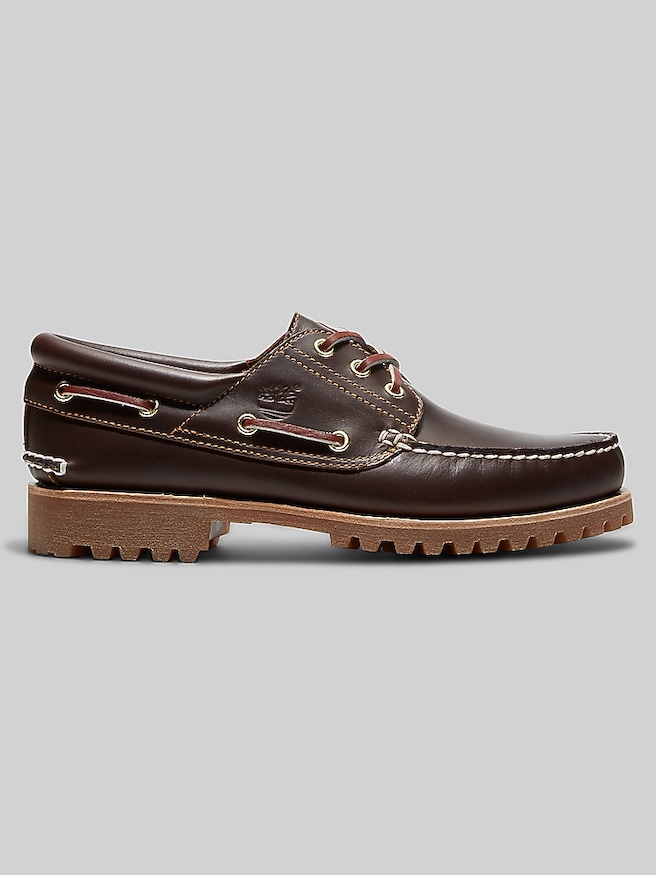
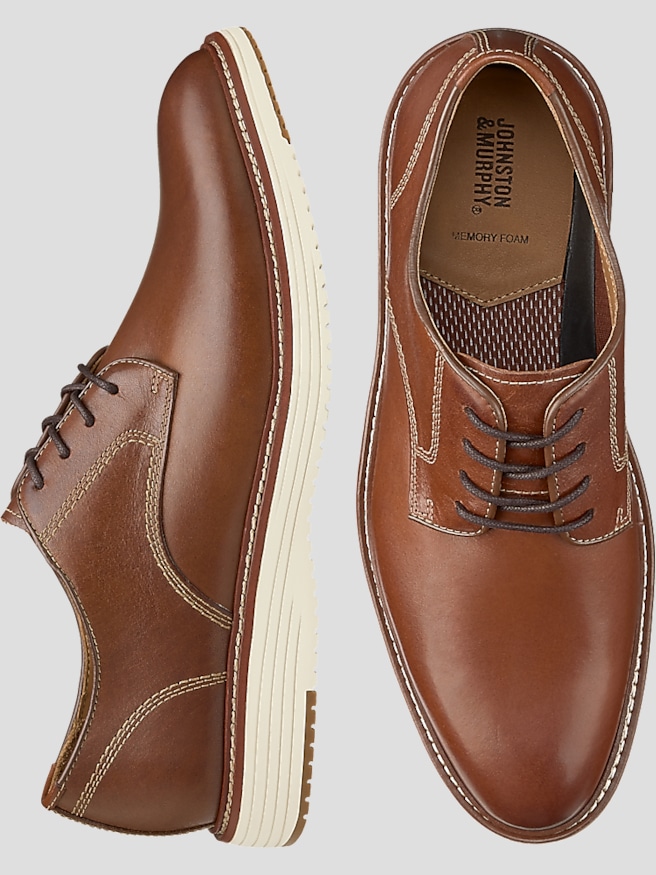
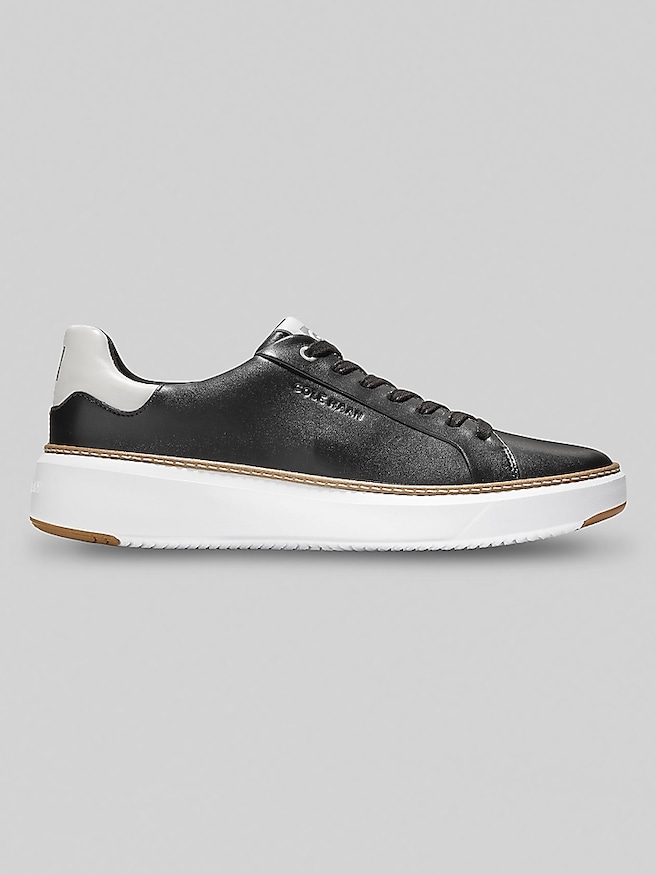
Long-term usefulness comes from how well business casual clothing fits into everyday habits, including laundering, storage, and repeat wear. Care labels are the starting point because similar-looking garments can require different treatment. Washable shirts and trousers may simplify a busy routine, while garments marked for professional cleaning need a different care schedule. Using the recommended wash settings, avoiding excessive drying heat, and removing washable pieces promptly can help limit unnecessary wear and creasing. Knitwear often benefits from being reshaped and dried as directed, then folded for storage to reduce stretching at the shoulders. Jackets keep their form better on supportive hangers, and trousers hung neatly are easier to prepare for the next wear. Even wrinkle-resistant fabrics may need occasional touch-ups around collars, cuffs, or hems. Durability also depends on details that are easy to overlook: secure buttons, even stitching, neatly finished seams, and pocket openings that lie flat all contribute to a garment's usefulness. Rotating clothing and addressing a loose button or small seam opening early can help prevent a minor repair from becoming a larger problem. Footwear deserves the same attention. Leather loafers and lace-up shoes provide a polished finish, while simple sneakers belong in workplaces that explicitly accept a more relaxed look. Clean uppers, sound soles, and comfortable support matter for anyone walking from a transit stop, standing during presentations, or spending the day between departments. A belt with a restrained buckle and socks that coordinate with the trousers can keep the outfit visually cohesive without making every detail match exactly. Business casual clothing can also be a practical gift for a graduate starting a new role, someone returning to an office, or a professional building a more versatile wardrobe. Knowing the recipient's measurements, preferred fit, care habits, and workplace dress code makes that choice more personal and useful. Whether dressing for regular office hours, a networking lunch, or a work trip, dependable business casual separates earn their place through comfortable proportions, adaptable colors, and a finish that stays presentable through ordinary use.