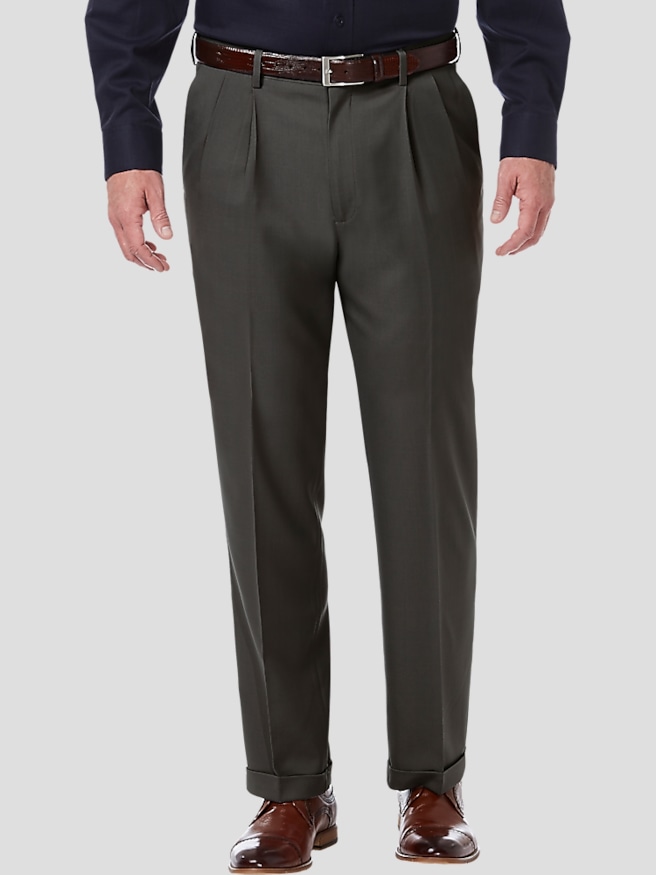
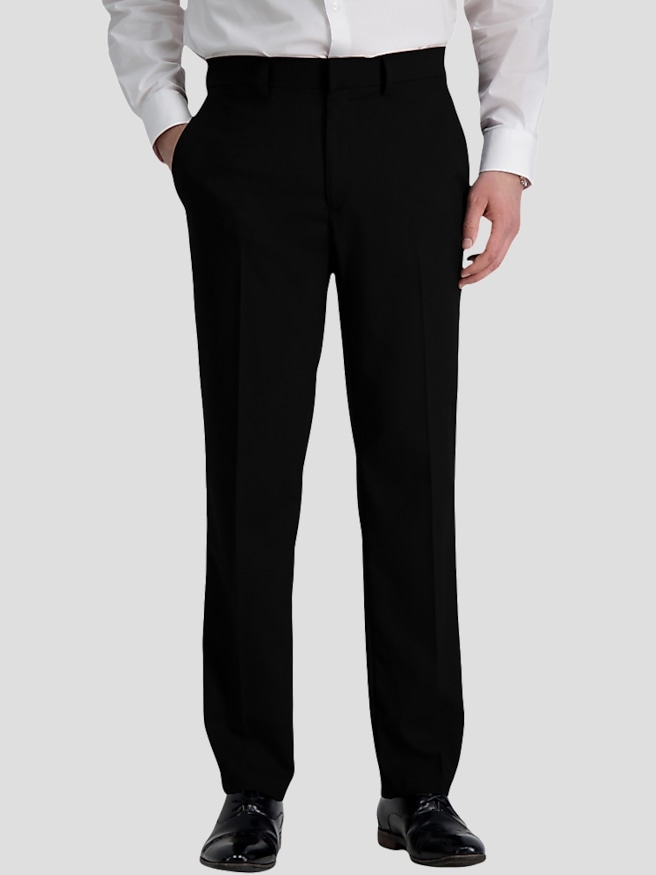
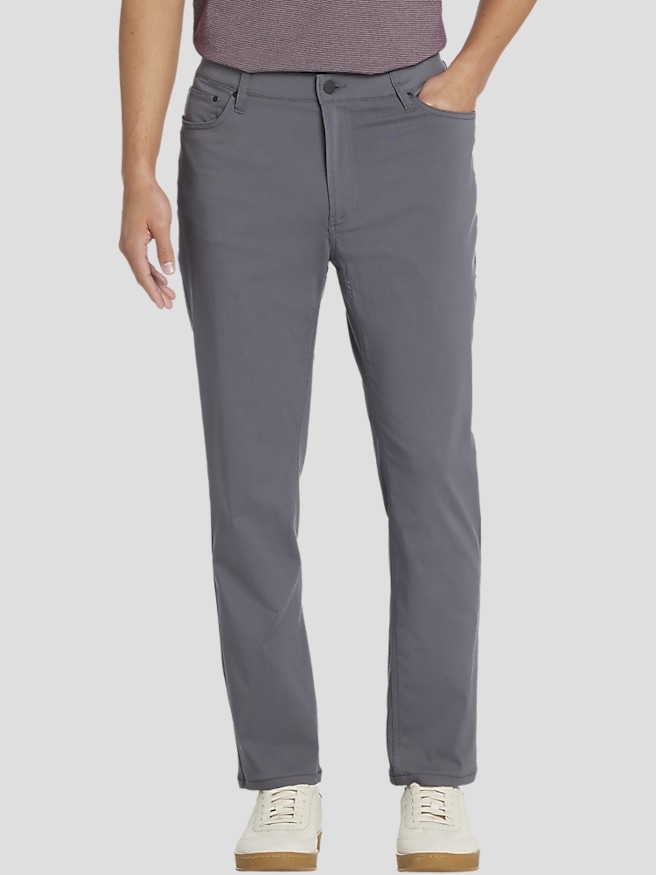
Tech business casual for men is a relaxed approach to professional clothing built around clean lines, comfortable movement, and an intentional fit. It generally sits a step below traditional business casual in formality, replacing rigid tailoring and a tie with polished separates that feel appropriate at a desk, in a meeting, or on a video call. Button-down shirts, knit polos, chinos, tailored stretch pants, and unstructured jackets form the foundation of this look. The emphasis is on looking ready for work without dressing as though every conversation takes place in a boardroom. In a software studio, that might mean a neat polo and straight-leg chinos for a day of coding and team check-ins. At an enterprise technology company, a button-down and softly constructed blazer can feel more appropriate for a product demonstration or a meeting with outside partners. Developers, designers, engineers, product managers, and technical consultants may share an office but have different expectations depending on their responsibilities. Clothing that works across those settings usually has restrained details, balanced proportions, and enough versatility to look complete with or without a jacket. Navy, charcoal, gray, olive, and muted blue make useful starting points because they combine easily without requiring exact matches. Subtle texture can add interest where bold graphics or oversized logos would draw attention away from the person wearing them. A textured knit polo, a smooth pair of trousers, or a small-scale shirt pattern can give a simple outfit depth while keeping it professional. Tech business casual does not require every piece to be made from a technical fabric, and it does not have to mean a uniformly slim silhouette. The defining quality is practical polish: clothing that holds its shape, allows natural movement, and suits the actual workplace. A tidy neckline, a smooth shirt front, and pants that fall cleanly over shoes often make more difference than adding another layer of formality.
Materials help determine how that polish feels over a full workday. Cotton offers a familiar, comfortable hand, while cotton blends can bring added stretch or easier care, depending on their construction. Polyester and nylon blends may offer wrinkle resistance, moisture management, or a smoother finish, but those benefits should be supported by the garment’s stated features rather than assumed from fiber content alone. A small amount of elastane can help a waistband, shirt, or trouser move with the body; the weave, fabric weight, and overall cut still matter just as much. Stretch is most useful when it supports a good fit, not when it compensates for clothing that is too tight. Across the shoulders, a shirt should allow reaching for a laptop bag without pulling sharply at the buttons. Through the seat and thighs, pants need enough room for sitting through a planning session without fabric straining across the lap. Slim, straight, and roomier cuts can all look professional when the proportions are balanced. A shoulder seam that sits close to the natural shoulder, sleeves that do not bunch at the wrist, and a trouser hem with limited pooling create a cleaner outline. For anyone moving between a standing desk, a conference table, and a commute, these small details affect comfort as much as appearance. Durability comes from more than a substantial feel: secure stitching, neatly finished seams, stable pocket openings, and fabric that recovers after movement all contribute to dependable everyday wear. Repeated friction from a backpack strap or the edge of a desk can be demanding on fabric, so surface texture and care requirements deserve attention. Following the care label, treating marks promptly, and avoiding unnecessary heat can help preserve color, shape, and stretch. Some performance finishes have specific laundering requirements, including restrictions on fabric softener. Knit pieces may need reshaping or flat drying, while certain tailored garments require professional cleaning. Low-maintenance clothing still benefits from thoughtful care.
The strongest tech-office wardrobes make it easy to adjust the level of formality without starting over. A knit polo with clean, tapered chinos can suit an internal workshop, while a tucked button-down with tailored trousers brings a more composed appearance to an interview or presentation. An unstructured blazer adds definition at the shoulders without the pronounced stiffness associated with more formal tailoring. Fine-gauge knitwear can provide another polished option, especially when its hem and cuffs retain their shape rather than hanging loosely. Footwear helps establish the final impression: understated leather sneakers can work in a relaxed office, while loafers or simple lace-up shoes usually read as more dressed up. Office expectations take priority, particularly when meeting clients, attending an industry conference, or representing a team outside its usual setting. For occasions beyond an everyday tech-office dress code, Business Casual Semi-Formal For Men offers a related approach to a more dressed-up look. Accessories are most effective when they support the same practical restraint. A simple belt, a tidy work bag, and socks that coordinate with the trousers help an outfit feel finished without making it busy. On camera, a collar that stays in place and a solid or subtly textured top can give the visible part of an outfit a considered appearance. In person, fit through the back and the way trousers hang become just as noticeable. These clothes also suit professionals moving from a highly casual workplace into a role with more meetings, or recent graduates building a wardrobe for their first office position. As a gift, a versatile knit or shirt can be useful when the recipient’s size, preferred fit, and workplace expectations are known. Across these uses, the goal stays consistent: dependable pieces that feel comfortable through focused desk work, look credible in conversation, and remain easy to combine for the next working day.