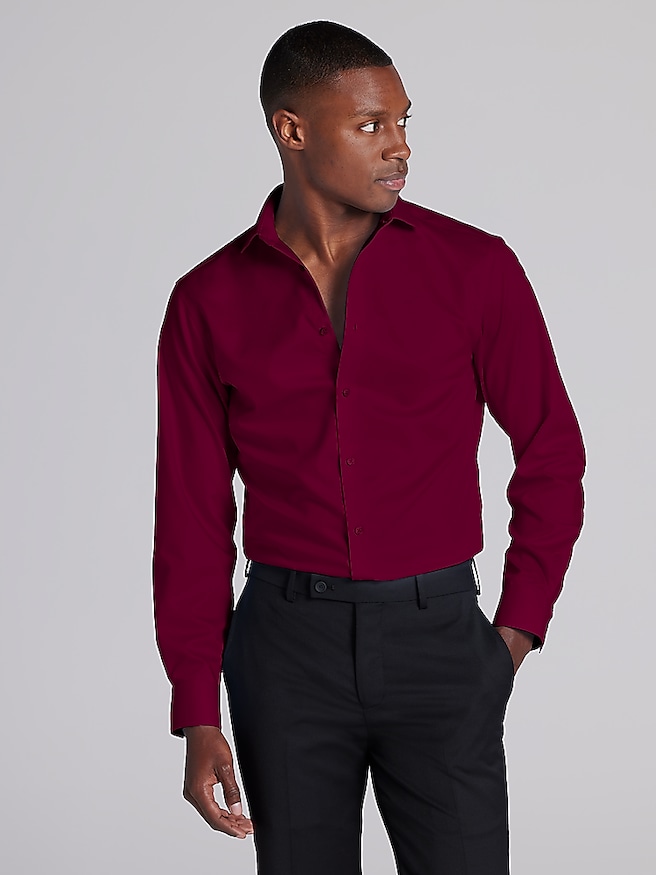
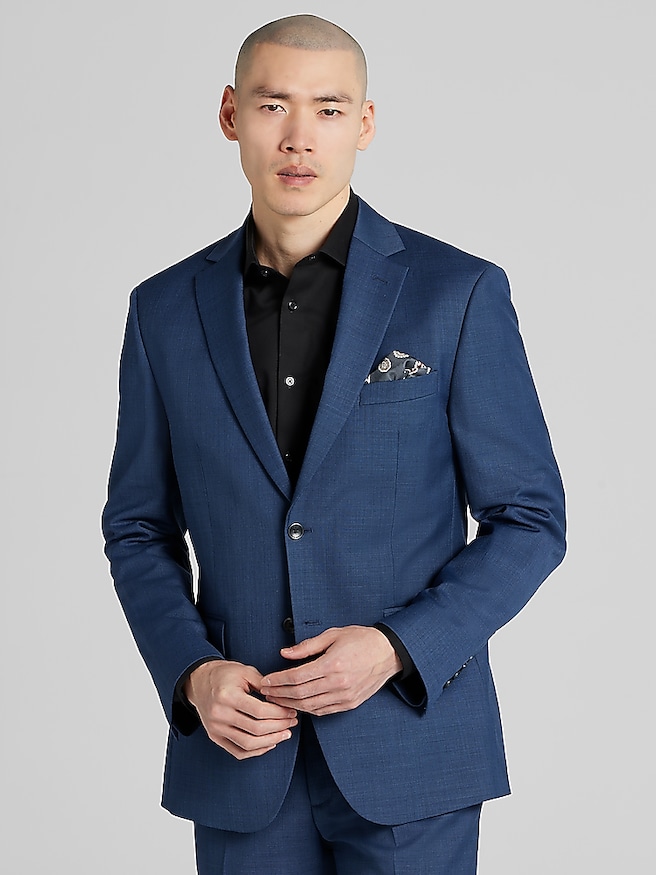
Winter business casual for men is built around comfortable layers that look intentional from the first meeting of the day to the last commute home. As the weather turns cooler, begin with a breathable dress shirt or a fine-gauge knit that sits smoothly beneath a jacket, then add warmth with a merino wool sweater, cardigan, or quarter-zip pullover. These mid-layers provide insulation without creating unnecessary bulk, making them practical for offices that feel chilly in the morning but warmer by midday. A V-neck sweater leaves room for a collar and tie when a more polished appearance is appropriate, while a crew neck creates a cleaner, more relaxed look over a collared shirt. On especially cold days, a soft flannel shirt can add both warmth and texture, provided its pattern and fit remain neat enough for the workplace. The most versatile colors include navy, charcoal, gray, camel, olive, burgundy, and deep brown, which coordinate easily with shirts and trousers already in the closet. For additional cold-weather inspiration, explore Winter Outfit for Men. The right fit matters as much as the fabric: shoulders should lie flat, sleeves should end near the wrist, and sweaters should skim the body rather than cling or hang loosely. A well-fitted layer keeps its shape beneath an overcoat and makes even a simple outfit appear considered. This approach works well for professionals who move between indoor and outdoor settings, commuters who spend time walking or waiting for transportation, and anyone whose workplace calls for a polished appearance without the formality of a full suit.
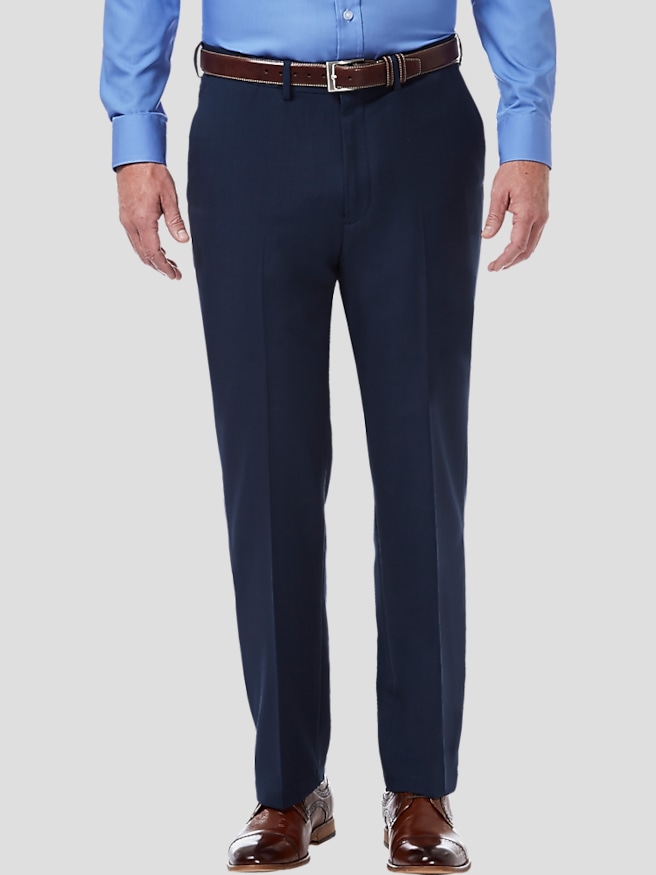
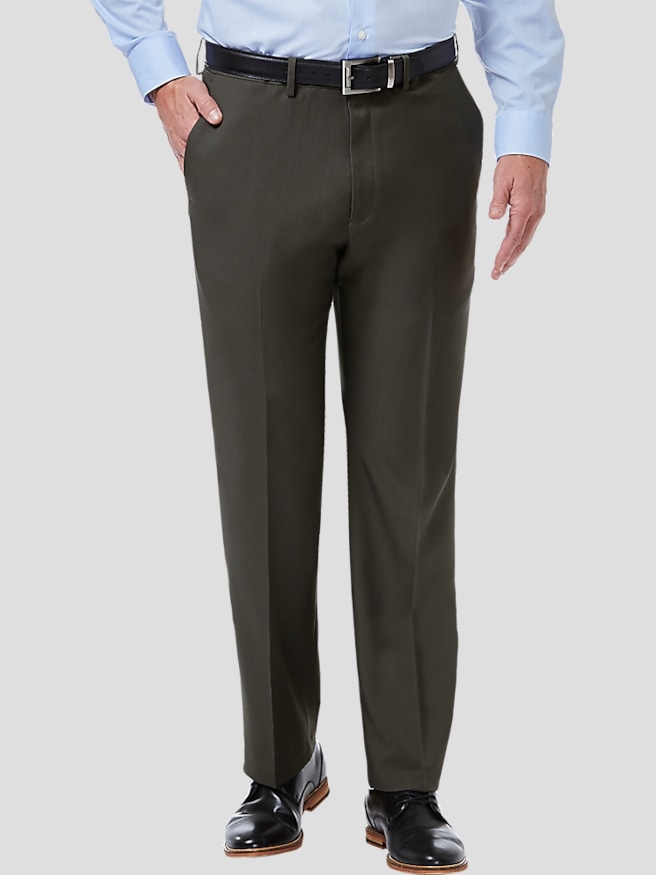
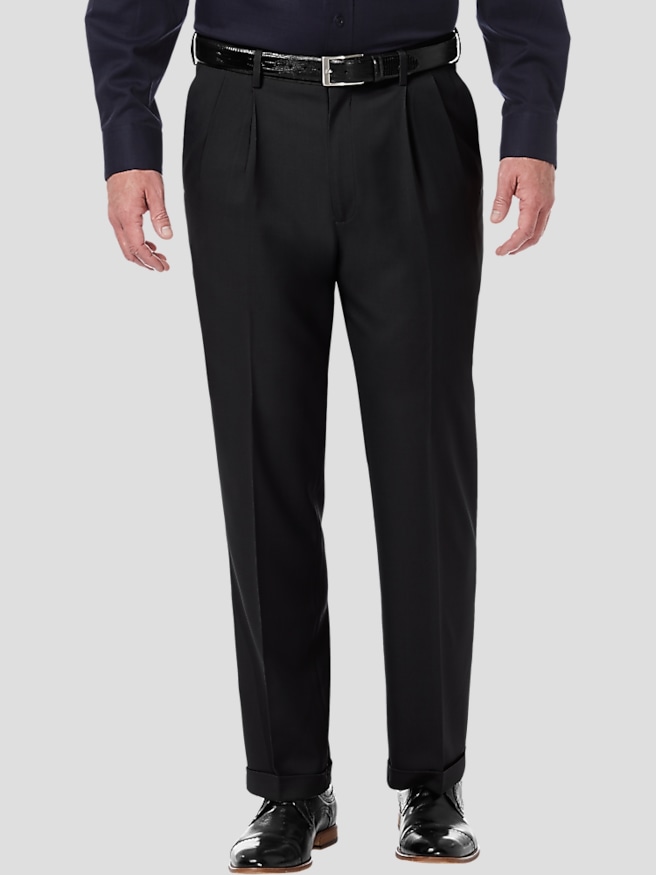
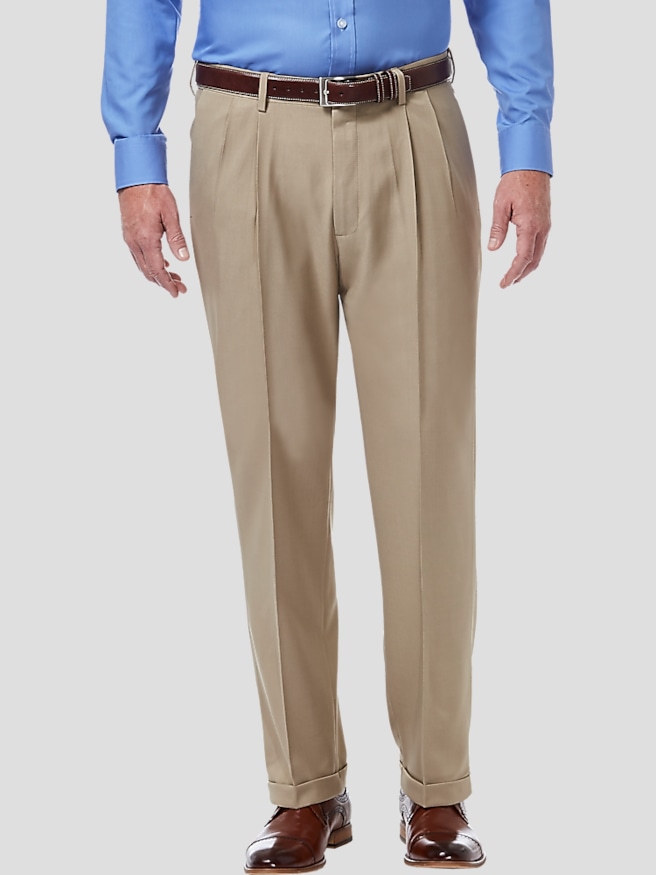
Trousers provide the foundation for a dependable winter business casual wardrobe. Wool and wool-blend pants in charcoal, medium gray, navy, or subtle patterns offer warmth and structure while pairing naturally with sweaters, sport coats, and collared shirts. Flannel trousers are especially useful when temperatures drop because their softly brushed finish feels comfortable without appearing overly casual. Corduroy and moleskin add seasonal texture in shades such as brown, olive, tan, or navy, giving an outfit visual interest while maintaining a professional impression. In a more relaxed office, dark-wash denim with a clean finish may work well, but it should fit neatly through the seat and leg and remain free of fading, distressing, or frayed details. Straight and tailored cuts tend to transition most easily from the workplace to dinner or an evening gathering. Pair heavier trousers with a smooth shirt and refined knitwear to keep the overall look balanced; when the pants have noticeable texture, simpler layers often create the most polished result. Footwear should be clean, comfortable, and substantial enough for cooler conditions. Leather loafers, derby shoes, chukka boots, and Chelsea boots can all complement business casual clothing when their lines are streamlined and their condition is well maintained. A solid sole offers useful traction on damp sidewalks, while a darker leather or suede finish helps the shoes blend with winter-weight trousers. For anyone assembling a practical wardrobe for a new job, updating an office rotation, or choosing a useful gift for a partner, son, father, or colleague, versatile pants and well-made everyday footwear are thoughtful choices because they can be worn repeatedly across many settings.
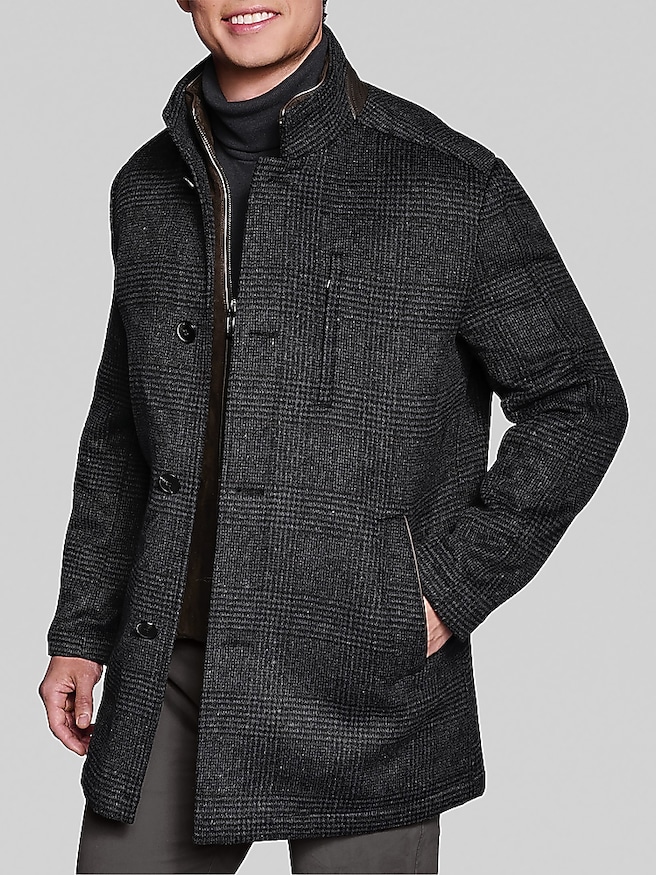
Complete the outfit with outerwear and accessories that add warmth without undermining a professional silhouette. A structured wool coat creates a sharp finish over tailored layers and is suitable for commutes, client visits, and occasions when a jacket is required at the destination. A quilted jacket or refined insulated layer offers a more relaxed option for casual offices, especially when it is trim enough to wear over a sweater without looking bulky. Choose outerwear with room for a shirt and mid-layer, but avoid excess volume that obscures the shape of the outfit. Neutral shades make daily dressing easier, while a subtle pattern or rich seasonal color can bring personality to otherwise classic clothing. A wool or cashmere scarf protects the neck and adds a finished detail, and simple gloves can keep hands comfortable during the walk from the car or train. A classic leather watch, understated belt, and coordinated shoes help pull the look together without making it feel overly styled. Fabric and care deserve attention during the cooler months: wool should be stored with room to breathe, knitwear benefits from folding rather than hanging, and shoes should be cleaned and conditioned regularly after exposure to moisture. When selecting winter business casual clothing, consider the wearer’s commute, office temperature, preferred fit, and tolerance for layering. Someone working in a traditional office may appreciate refined trousers, soft sweaters, and structured outerwear, while a professional in a relaxed setting may get more use from dark denim, textured pants, and versatile boots. The best selections offer warmth, mobility, and easy coordination, helping men look prepared whether they are heading into the office, traveling between appointments, or meeting friends after work during the cooler months.