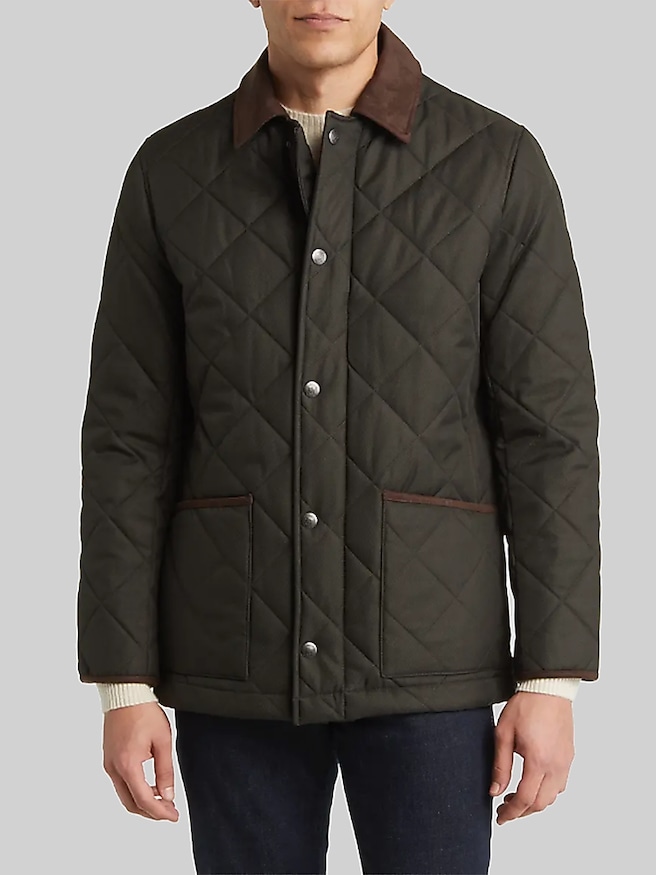
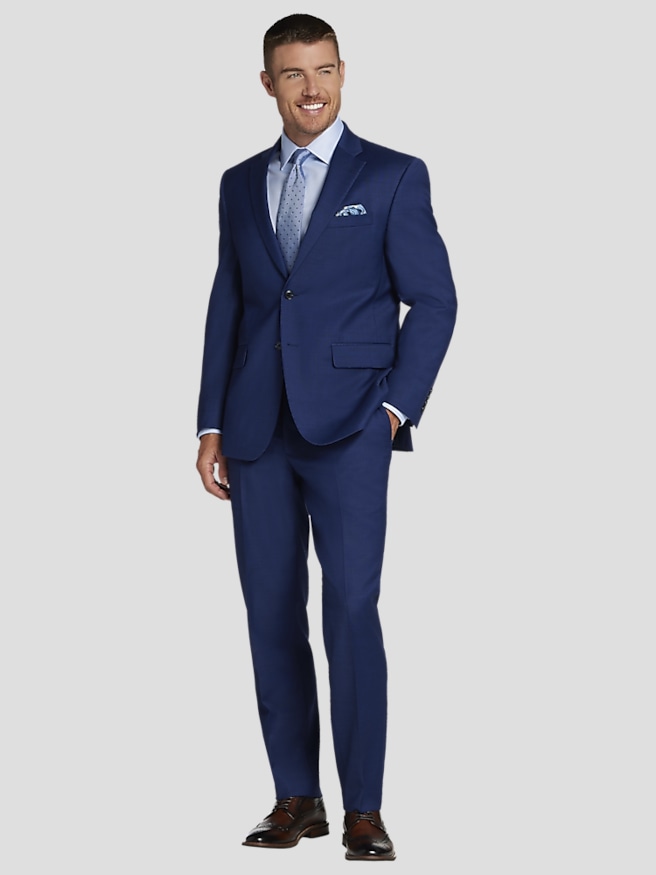
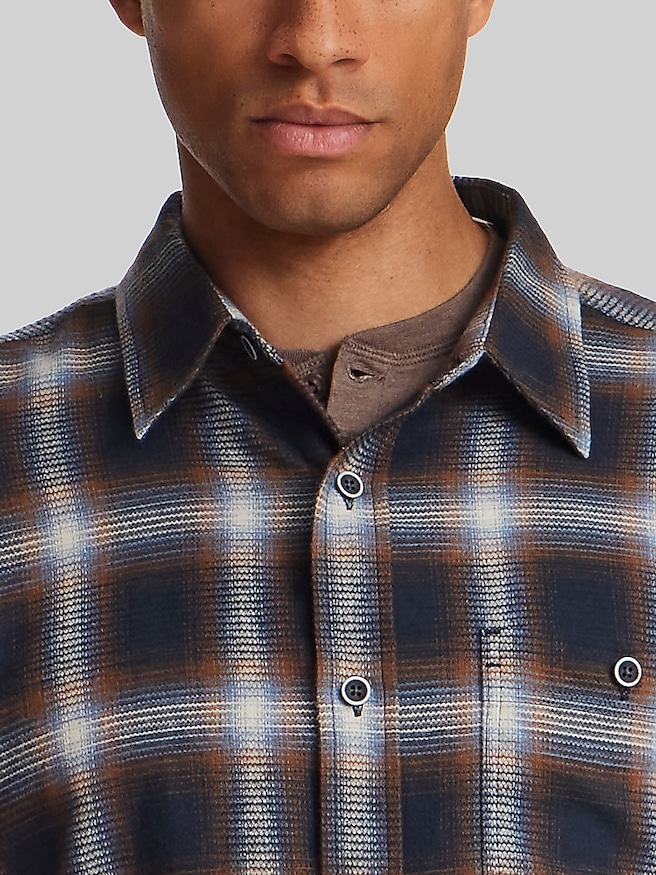
Casual winter wear for men combines warmth, comfortable movement, and the kind of versatility that makes getting dressed less complicated. Soft knits, brushed fabrics, substantial pants, and practical outer layers suit everyday routines that might include a morning commute, an afternoon outside, and dinner in a heated restaurant. The most useful combinations provide warmth without making every layer heavy. A lightweight layer next to the skin, a sweater or substantial shirt through the middle, and an outer layer suited to the conditions create flexibility as plans move indoors and out. Fabric choice makes a noticeable difference in how that combination feels. Fine-gauge merino wool can provide warmth with relatively little bulk, while cotton knits offer a familiar, soft feel for indoor wear and shorter stretches outdoors. Brushed flannel has a gently fuzzy surface that holds a layer of air close to the body, making it comfortable over a lightweight tee. Fleece can add warmth without much weight, although protection from wind depends on its construction and any additional layers worn over it. Wool blends often balance warmth, texture, and ease of wear, with the exact feel and care requirements determined by the fiber mix. Corduroy brings depth through its raised ridges, while denim provides a sturdy foundation for casual outfits. Fabric weight matters alongside fiber content: a thin cotton shirt and a substantial brushed cotton shirt serve distinct purposes, even though both share the same main material. For time spent walking between buildings or sitting near a drafty window, a removable middle layer often makes more sense than one exceptionally heavy top. Longer periods outside call for outerwear appropriate to the temperature, wind, and precipitation. Everyday winter clothing works best when its warmth matches the actual setting, whether that means a comfortable combination for a home office or additional coverage for an outdoor commute. A wardrobe built around those routines feels useful rather than unnecessarily bulky, with enough flexibility for a full day of changing surroundings.
Fit determines whether winter layers feel comfortable together or compete for space. A shirt should allow an easy reach across a desk, and a sweater worn over it needs enough room through the shoulders and upper arms to avoid pulling. An outer layer that fits well over a tee may feel restrictive over a textured knit, so the intended combination matters more than the size label alone. Shoulder placement, sleeve length, and room through the chest all contribute to a clean shape without squeezing the layers underneath. For the foundation of an outfit, Men's Winter Casual Shirts bring pattern, texture, and an easy transition between relaxed and slightly more dressed-up settings. A softly brushed shirt worn open over a plain tee feels at home at a casual lunch, while a buttoned collar beneath a smooth sweater adds definition for a relaxed office. Pants should provide similar freedom at the waist, seat, and knees, particularly for driving, traveling, or spending several hours seated. Stretch can help with movement, but fabric recovery matters too; a comfortable fit should not depend entirely on a tight fabric stretching to accommodate the body. Straight and gently tapered shapes both pair naturally with winter layers, with the choice depending on preferred room and overall proportion. Substantial tops often look balanced with pants that have enough structure to hold their shape. Color helps connect these textures without making an outfit feel overly coordinated. Navy, charcoal, brown, olive, and cream offer a flexible base, while burgundy or a muted plaid can add interest. A textured sweater against smooth pants creates contrast without requiring a bold pattern. Dark denim and a brushed shirt suit an informal dinner, while corduroy and a fine-knit layer feel comfortable for a weekend visit. Footwear finishes the proportions: the hem should sit comfortably around the shoe or boot rather than bunch excessively, and soles should suit the surfaces underfoot. For wet or icy conditions, tread and weather protection deserve attention beyond appearance.
The lasting value of casual winter clothing comes from how well it handles repeat wear and how realistically its care fits into daily life. Dense, even fabric, secure seams, neatly finished buttonholes, and ribbing that returns to shape can all offer useful clues about construction. No single detail guarantees durability, but these features matter when clothing is repeatedly pulled on, layered, washed, and packed. Knitwear benefits from a little space between wears and storage that does not stretch the shoulders. Folding heavier sweaters usually helps preserve their shape better than leaving them on narrow hangers. Care labels remain the best reference for washing temperature, drying method, and whether professional cleaning is needed, especially with wool and mixed-fiber fabrics. Excessive heat can shrink some materials or affect stretch fibers, while rough washing can encourage surface wear. Pilling may develop where fabric rubs against a jacket, bag strap, or seat belt; careful removal with a tool appropriate for the fabric can improve appearance without aggressive brushing. Clothing should be clean and fully dry before being put away for an extended period. Everyday details also influence comfort: a soft inner collar, a smooth layer beneath wool, and sleeves that do not crowd the wrists can make a substantial outfit easier to wear for hours. For travel, layers that coordinate across several combinations reduce the need to pack a separate outfit for every plan, though care requirements and wrinkle resistance vary by fabric. Casual winter wear can also make a thoughtful gift for a father, brother, partner, friend, or another recipient whose routine calls for comfortable cold-weather clothing. Familiar colors, known measurements, and textures the recipient already enjoys are more useful starting points than guessing at a new silhouette. Someone who spends most days indoors may appreciate lighter layers, while someone with a walking commute may need more substantial coverage. The strongest choices reflect those habits, combining a comfortable fit, manageable care, and enough versatility for workdays, weekend errands, road trips, and relaxed evenings with friends.