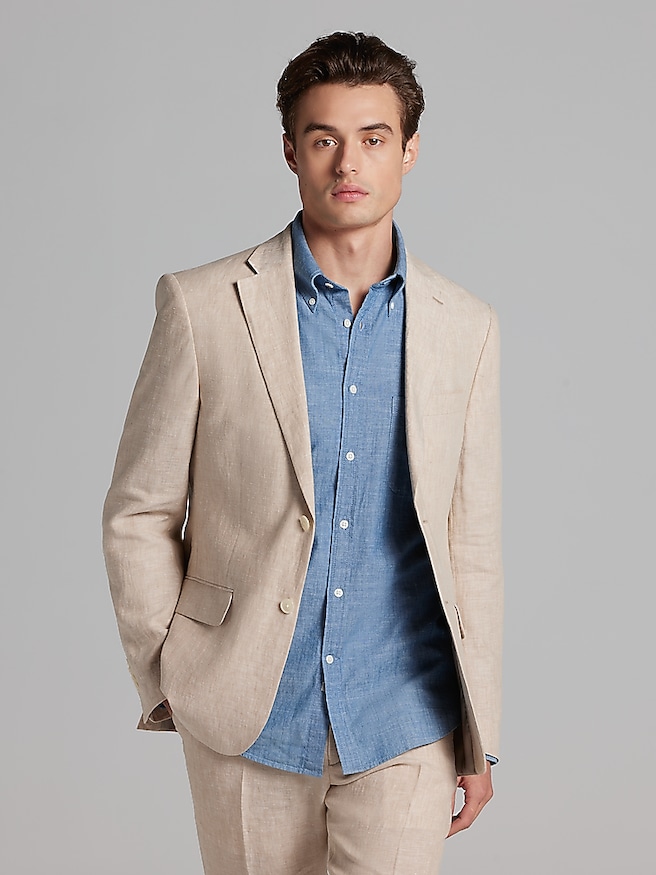
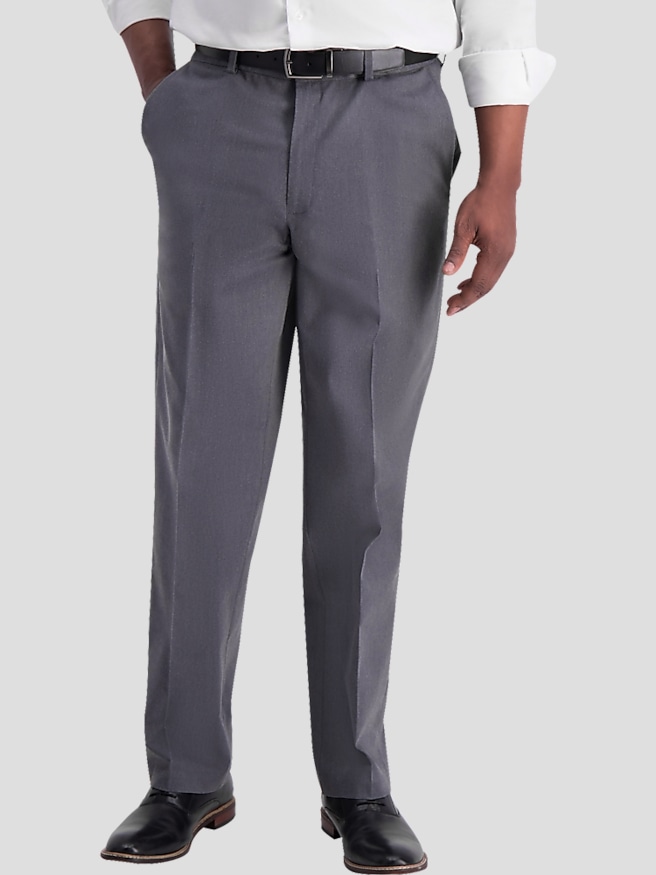
Rehearsal dinner attire brings together polished clothing with enough ease for introductions, a seated meal, and a few heartfelt toasts. For most rehearsal dinners, men’s outfits fall between smart casual and semi-formal: dress pants and a button-down shirt, tailored separates with a blazer, or a suit and tie. The invitation’s dress code takes priority, while the venue and the couple’s plans help establish how dressed up the evening should feel. The clothing is often less formal than the wedding outfit, but that is a useful starting point rather than a fixed rule. A private dining room with a cocktail dress code calls for a sharper silhouette than a casual gathering at a neighborhood restaurant. Suits, sport coats, dress shirts, chinos, and dress shoes offer different ways to strike that balance without looking ready for an ordinary workday. A navy or charcoal suit with a pale blue shirt has a composed appearance that suits dinner, photographs, and time spent meeting extended family. A textured sport coat with contrasting trousers feels a little more relaxed while keeping the outfit intentional. At an explicitly casual gathering, chinos and a neatly finished polo or button-down can be appropriate; dark, undistressed denim belongs only where the hosts’ expectations and setting support it. For a groom, wedding party member, parent, or guest, the right level of polish reflects both the invitation and the role in the celebration. Coordinated wedding party clothing is worth confirming before choosing an outfit, especially if the couple has requested particular colors. Guests generally look best in clothing that complements the occasion without competing with the couple’s planned looks. Restrained patterns, rich neutrals, and clean lines leave room for personality without dominating group photographs. For celebrations with separate dress codes across the weekend, wedding guest attire provides related context for keeping the rehearsal dinner look distinct from the ceremony outfit. The result is a wardrobe built around the actual gathering, whether that means a jacket over an open-collar shirt or a coordinated suit with a carefully chosen tie.
Fabric and fit influence how rehearsal dinner clothing looks after the first greeting, not just when it comes off the hanger. Wool suiting offers a refined drape and natural resilience, making it well suited to an evening that moves from standing conversation to dinner and speeches. Wool blends vary in texture and performance depending on their composition, while fabrics with a modest amount of stretch can add flexibility when sitting or reaching across a table. Cotton shirting gives an outfit a crisp foundation; poplin typically has a smooth, clean surface, while twill introduces subtle texture. An Oxford cloth button-down reads more relaxed and pairs naturally with chinos or an unstructured sport coat. Fine-gauge knitwear can also work beneath a jacket when the dress code allows a less traditional alternative to a dress shirt and tie. The important distinction is the overall finish: smooth layers, a defined neckline, and fabric that falls neatly rather than clinging or bunching. Jacket shoulders should sit close to the natural shoulder line without extending noticeably beyond it, and the collar should rest against the shirt rather than pulling away. A jacket that closes without pronounced strain across the front usually presents a cleaner shape than one chosen simply for a narrow silhouette. Dress pants need enough room through the seat and thighs for a comfortable seated meal, with a hem that meets the shoes neatly instead of pooling around them. Slim, tailored, and roomier cuts can all look polished when their proportions suit the wearer. Shirt cuffs should reach the wrist, with a small amount showing beneath jacket sleeves, and a collar worn with a tie should fasten comfortably. These details matter during ordinary moments: leaning forward to hear a toast, greeting someone with a handshake, or standing beside the couple for a photograph. Alterations can refine sleeve length, trouser hems, and waist fit, helping familiar clothing feel appropriate for a meaningful occasion rather than merely dressed up for a few hours.
Finishing pieces give rehearsal dinner outfits their character, especially when the main clothing stays understated. Leather loafers can complement tailored separates and more relaxed suits, while lace-up dress shoes bring a sharper finish to an outfit with a tie. Black shoes create a restrained pairing with charcoal trousers, and brown or burgundy leather can add depth alongside navy. Comfort deserves the same attention as appearance: a secure heel, adequate toe room, and shoes already worn comfortably help during extended conversations before dinner. A belt close in color and formality to the shoes keeps the outfit cohesive, while socks that relate to the trousers create a continuous line when seated. A textured tie or subtly patterned pocket square can introduce interest without making every accessory compete for attention. The two do not need to match exactly; a shared accent color is often enough. For an open-collar look, a collar that sits neatly beneath the jacket helps maintain definition, and a discreet undershirt should remain out of sight. Highly reflective fabrics, oversized motifs, and conspicuous novelty details can distract from an otherwise balanced outfit, particularly in close group photographs. Longevity also matters when choosing clothing for a single celebration. Versatile tailoring and understated accessories can serve at later dinners, work events, and other occasions, with a change of shirt or footwear adjusting the level of formality. Care should follow each garment’s label rather than a single routine for the entire outfit. A broad, supportive hanger helps preserve a jacket’s shape, prompt spot treatment according to care instructions can keep small spills from becoming lasting marks, and appropriate pressing restores a tidy finish. Dress shoes benefit from cleaning and conditioning suited to their material. For travel, a garment bag and careful folding help limit creasing, though pressing instructions still need checking before using heat or steam. Thoughtful choices across fabric, proportion, footwear, and upkeep produce rehearsal dinner clothing that feels comfortable through the final toast and earns a place in the wardrobe long after the celebration.