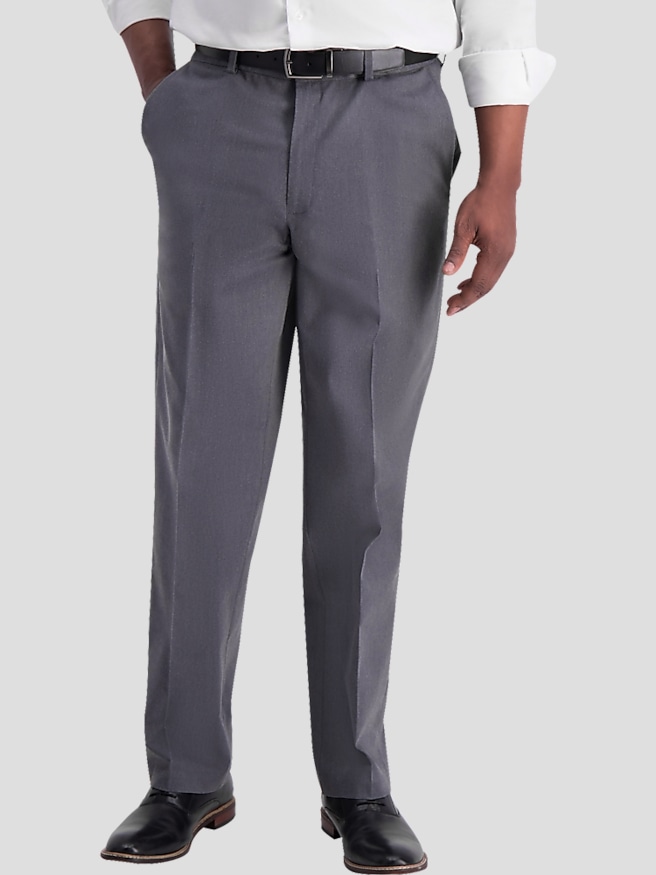
Rehearsal dinner outfits for men typically center on a suit, a blazer with dress pants, or chinos with a button-down shirt, depending on the dress code, venue, and role in the wedding. The occasion brings together the couple, their families, and close friends before the ceremony, so clothing often feels celebratory without duplicating the wedding-day look. A navy or charcoal suit creates a polished foundation for a dinner in a private dining room, while a textured sport coat and tailored trousers suit a restaurant gathering with a more relaxed atmosphere. For an informal dinner at a family home, neat chinos and an open-collar shirt can feel appropriate when the invitation supports a casual dress code. Cocktail attire generally calls for a suit or a tailored jacket-and-trouser combination; a tuxedo belongs at a rehearsal dinner only when the hosts specifically request black tie. The groom may want a distinctive detail, such as a subtly patterned tie or a richer jacket texture, while groomsmen, fathers, and guests can keep their looks understated and complementary. Coordinating with the celebration does not require matching the wedding party. A consistent level of formality matters more than identical colors, especially in group photographs taken around the table or before the first toast. Dark neutrals provide an adaptable base, and softer shades or restrained patterns add personality without competing with the couple. A crisp white shirt works with most tailored combinations, while pale blue offers another versatile option. The invitation and the hosts’ preferences remain more useful than assumptions about the restaurant alone: an elegant setting does not automatically mean black tie, and a small guest list does not necessarily mean casual clothing. The most convincing rehearsal dinner attire looks intentional from head to toe while still feeling comfortable enough for introductions, a seated meal, and an evening of conversation. It also leaves room for individual style, whether that means a clean, minimal silhouette or a classic combination with a patterned tie and polished leather shoes.
Fabric and fit determine how rehearsal dinner clothing feels long after the first photograph. Wool suiting offers a refined appearance and natural resilience, making it well suited to jackets and trousers that need to maintain their shape through sitting, standing, and mingling. Fabric weight and construction influence drape as much as fiber content, so a substantial cloth may create a more structured silhouette while a lighter one falls more softly. Cotton shirts provide a familiar, comfortable foundation, and Oxford, poplin, and twill weaves bring distinct textures to otherwise similar outfits. A smooth shirt under a textured jacket creates subtle contrast; a patterned shirt usually works best when the surrounding pieces are quieter. Stretch blends can offer added ease, though freedom of movement still depends on the cut rather than the fabric alone. A jacket should sit smoothly across the shoulders, with lapels lying flat and enough room through the chest to button without pulling. Sleeves that reveal a small amount of shirt cuff give the outfit a finished proportion. Trousers need room through the seat and thighs for a full dinner, with a waistband that stays comfortable when seated and hems that meet the shoes cleanly. A slight break reads traditional, while little or no break creates a sharper line; neither should leave fabric pooling around the ankles. Shirt collars should feel comfortable both with a tie and with the top button open. These details matter for every build, whether the preferred silhouette is close-fitting, straight, or more generously cut. Care also affects how well tailored clothing holds up for later occasions. Following each garment’s care label, using appropriate pressing or steaming methods, and allowing clothing to air after wear help preserve its appearance. Jackets benefit from supportive hangers, while trousers retain a cleaner line when stored without crowding. A fabric brush can remove surface lint from suitable materials, and prompt attention to spills helps prevent a celebratory dinner from leaving a lasting mark. Good upkeep makes these pieces useful well beyond one wedding weekend.
Finishing details give rehearsal dinner outfits their character without requiring an elaborate combination. A silk tie adds a smooth accent to a wool suit, while a textured tie can make a blazer and trousers feel less formal. Tie width generally looks most balanced when it relates to the jacket’s lapels, and a pocket square can echo a color elsewhere in the outfit without repeating the tie exactly. A white pocket square offers a restrained finishing touch, particularly when the shirt or tie already carries a pattern. With an open collar, a well-shaped shirt collar and a neat neckline become more noticeable, so the absence of a tie still feels deliberate. Leather lace-up shoes bring structure to a suit; loafers can complement dress pants or chinos when the event is less formal. Clean uppers, tidy laces, and comfortable soles matter during time spent greeting relatives or standing for toasts. When a belt is part of the outfit, a leather tone that relates to the shoes helps the pieces feel connected. Socks can follow the trouser color for a continuous line or introduce a small, controlled accent. For the groom, a meaningful pair of cuff links or a tie chosen with the wedding colors in mind can distinguish the evening without revealing the entire ceremony look. Accessories can also make thoughtful gifts for a father or wedding-party member, especially when the recipient’s style and the event’s dress expectations are understood. Clothing for this dinner often becomes part of a broader occasion wardrobe, with the same trousers, jacket, or shoes worn in another combination for later celebrations. Related wedding reception outfits offer context for a separate part of the celebration, where the dress code and activities may call for a different balance of tailoring and movement. Keeping the rehearsal dinner distinct can be as simple as changing the shirt, choosing a quieter accessory, or pairing a familiar jacket with contrasting trousers. The result is an outfit that belongs at the table, looks composed in photographs, and feels natural to wear.