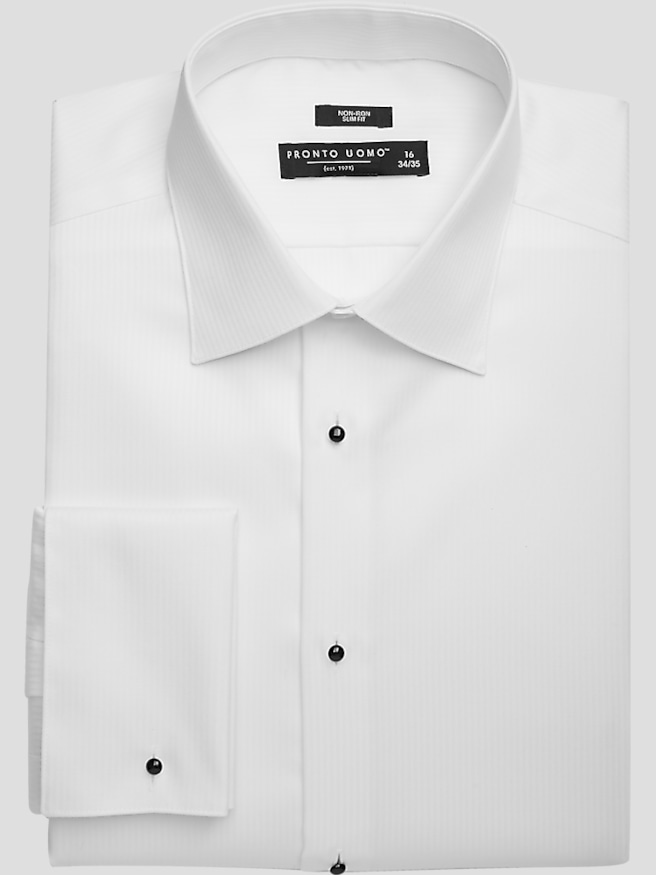
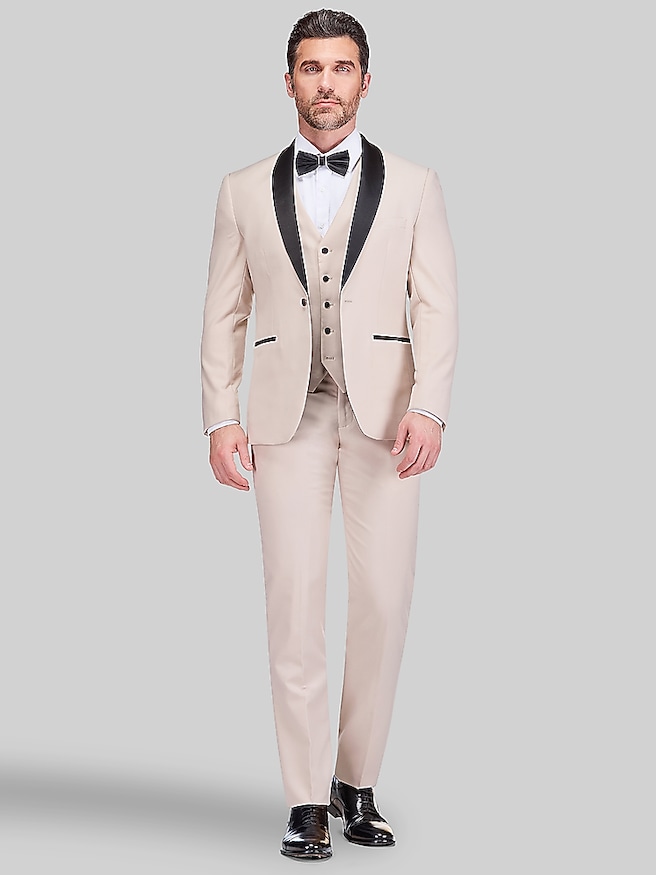
What to wear to a wedding depends first on the invitation’s dress code, followed by the venue, time of day, and any requests from the couple. Wedding guest attire ranges from a tuxedo for black tie to a collared shirt and tailored trousers for a celebration with an explicitly casual dress code. The distinction matters: black tie generally calls for a tuxedo, a formal dress shirt, a black bow tie, and polished formal shoes, while white tie requires more specialized evening attire, including a tailcoat and white bow tie. A standard tuxedo is not a substitute for white tie. For formal or black-tie-optional weddings, a dark navy or charcoal suit with a dress shirt and tie offers an alternative to a tuxedo. Cocktail attire usually centers on a tailored suit with a tie and leather dress shoes; semi-formal attire may allow more flexibility, depending on the setting and the couple’s expectations. A blazer with coordinating dress trousers can work when the invitation supports that level of formality. Casual wedding attire still looks intentional, with neatly pressed chinos or dress pants, a collared shirt, and clean, polished footwear rather than distressed denim or athletic clothing. Venue details help refine these categories without replacing the stated dress code. A ballroom reception often suits a more structured silhouette, while a relaxed restaurant celebration may suit softer tailoring when the invitation allows it. An evening ceremony can suggest darker colors and more formal accessories, but the invitation remains the deciding factor. Navy and charcoal offer versatile foundations because they pair naturally with white or pale blue shirts and a wide range of ties. A white dress shirt is a traditional choice with a suit or tuxedo; an all-white outfit is a separate matter and is best reserved for an explicit request from the couple. Known wedding-party colors also deserve consideration, particularly when a matching suit and tie could make a guest look like part of the procession.
Fabric and fit shape how wedding clothing looks in photographs and feels through a ceremony, dinner, and several hours of conversation or dancing. Wool suiting is valued for its drape, resilience, and ability to recover from light wrinkling, making it a useful foundation for repeated special occasions. Wool blends can offer a balance of structure and easy movement, although the exact feel and care requirements depend on the fiber mix and construction. Linen has a textured surface and a relaxed character, with natural creasing that belongs to its appearance rather than signaling poor care. Cotton suits and separates offer a more understated finish, while fabrics containing stretch can provide additional give through the shoulders, seat, and knees. The right material should support the formality of the event as well as the wearer’s preference for crisp structure or a softer shape. A smooth, refined fabric generally reads dressier than a visibly textured, unstructured alternative. Fit is equally important across slim, tailored, and classic silhouettes; none is automatically more appropriate than another when the proportions suit the wearer. Jacket shoulders should lie smoothly without extending noticeably beyond the shoulder, and the chest should close without pulling into an X around the button. The collar should rest against the shirt collar instead of lifting away, while sleeves can leave a small amount of shirt cuff visible. Trousers should sit securely at the intended waistline, with enough room to sit comfortably and pockets that remain flat. A clean hem with little or a modest break keeps the trouser line neat over dress shoes. For someone moving between a ceremony, seated dinner, and dance floor, comfort comes from balanced proportions rather than simply choosing a larger size. Trying the complete outfit while sitting, reaching forward, and walking helps reveal tightness or excess fabric that may not be obvious in a mirror. Thoughtful alterations can refine sleeve length, trouser length, and the waist while preserving the garment’s intended shape.
Choosing Clothes For Wedding also involves the smaller pieces that make an outfit feel complete without competing with the celebration. A white or pale blue dress shirt provides a clean foundation for most suits, while a solid, subtly textured, or restrained patterned tie adds definition near the face. A pocket square can complement the shirt or pick up a secondary color in the tie without matching it exactly. For black tie, accessories should remain consistent with the tuxedo’s formal details rather than borrowing from an everyday business outfit. With a suit, black leather oxfords create a particularly formal finish, while dark brown leather shoes can complement navy or charcoal when the dress code allows. Loafers suit some less formal combinations, but highly casual footwear can undermine otherwise polished tailoring. Socks that coordinate with the trousers help maintain a continuous line when seated, and a belt, when worn, should sit comfortably and work with the color and finish of the shoes. Walking surfaces matter, too: a secure fit and a stable sole are useful when a celebration includes paths, steps, or extended periods of standing. Clothing intended for repeated wedding invitations benefits from careful construction, sound seams, secure buttons, and fabrics that retain their shape with appropriate care. A versatile suit can also work for a rehearsal dinner, anniversary celebration, or other dressed-up occasion with a change of shirt and accessories. Between events, a broad hanger supports the jacket’s shoulders, while properly hung trousers are less likely to develop unwanted creases. Care labels should determine whether garments need professional cleaning, washing, pressing, or steaming; unnecessary cleaning can add wear, and direct heat can damage some fibers and finishes. Leather shoes benefit from cleaning, suitable conditioning, and time to rest between wears. For guests, close relatives, and wedding-party members alike, a well-considered outfit combines respect for the occasion with enough comfort to enjoy it, from the first greeting through the final photograph.