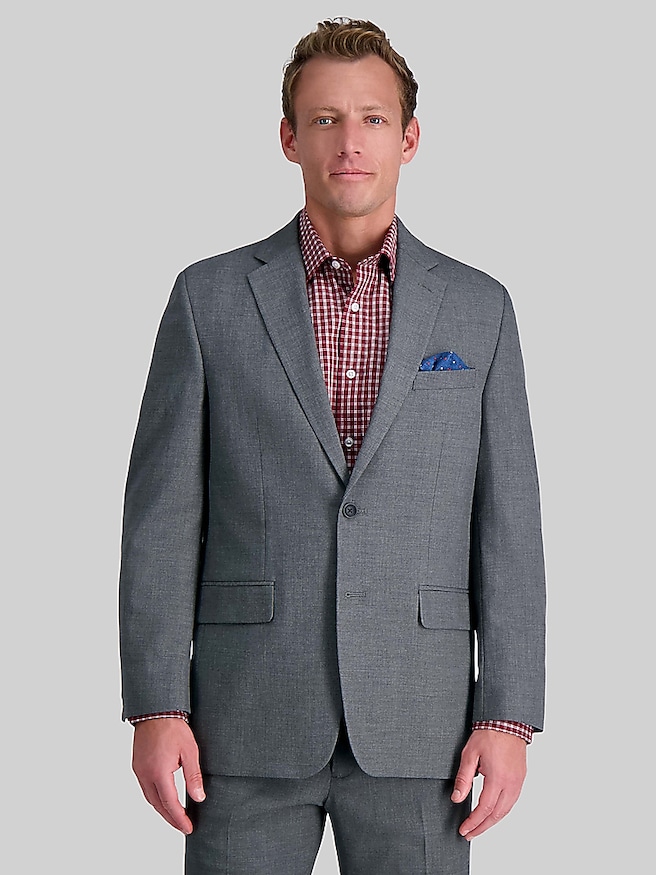
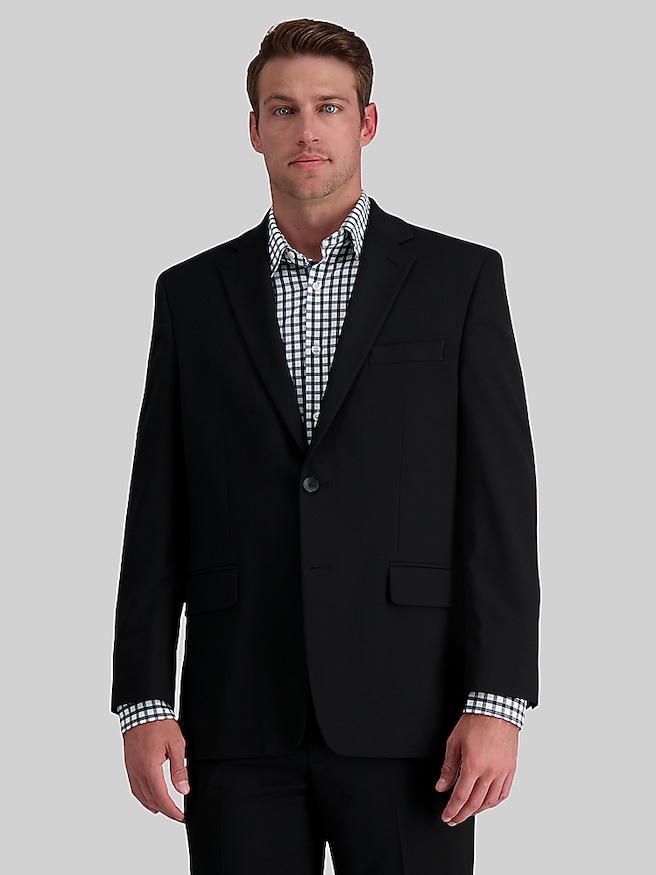
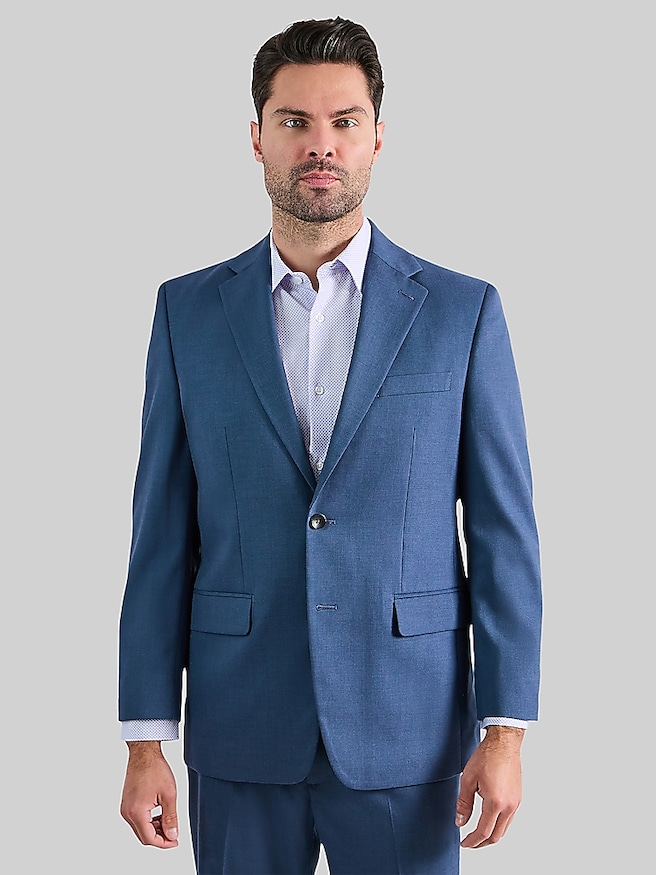
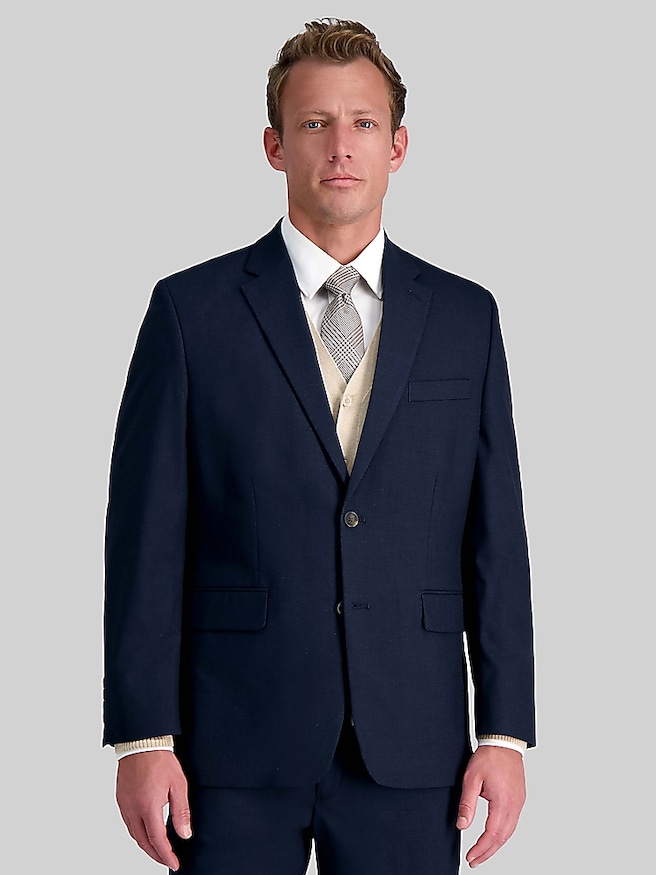
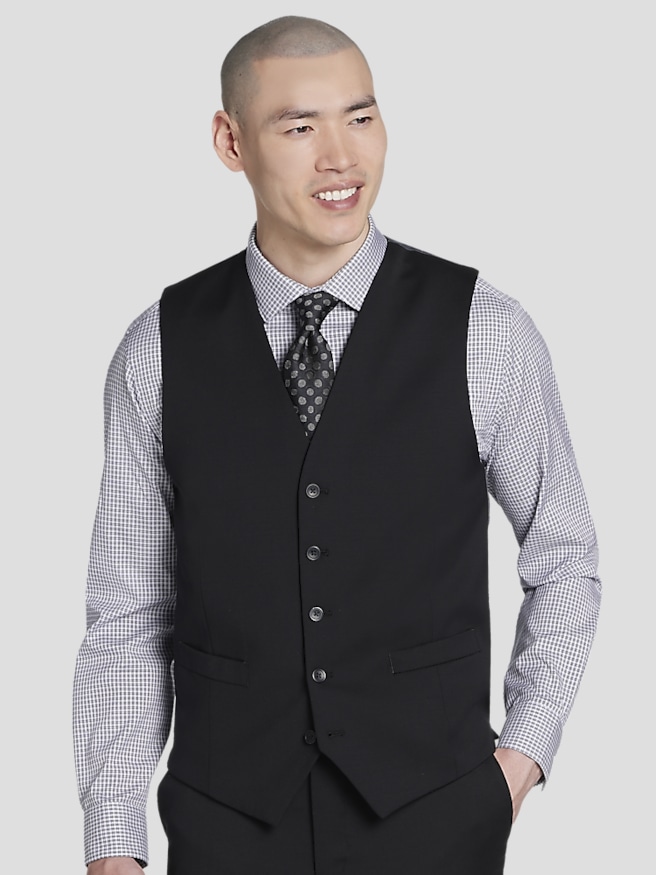
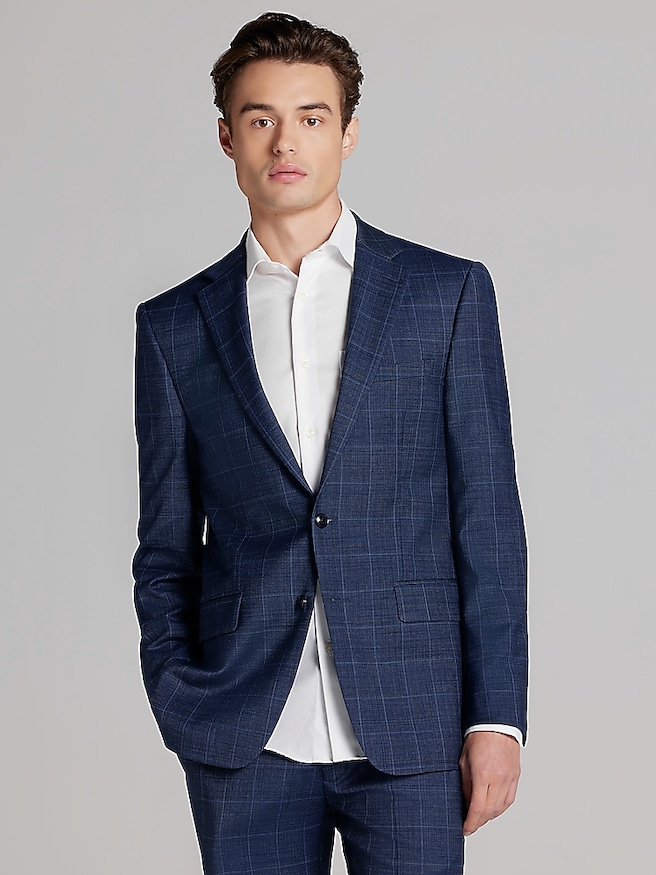
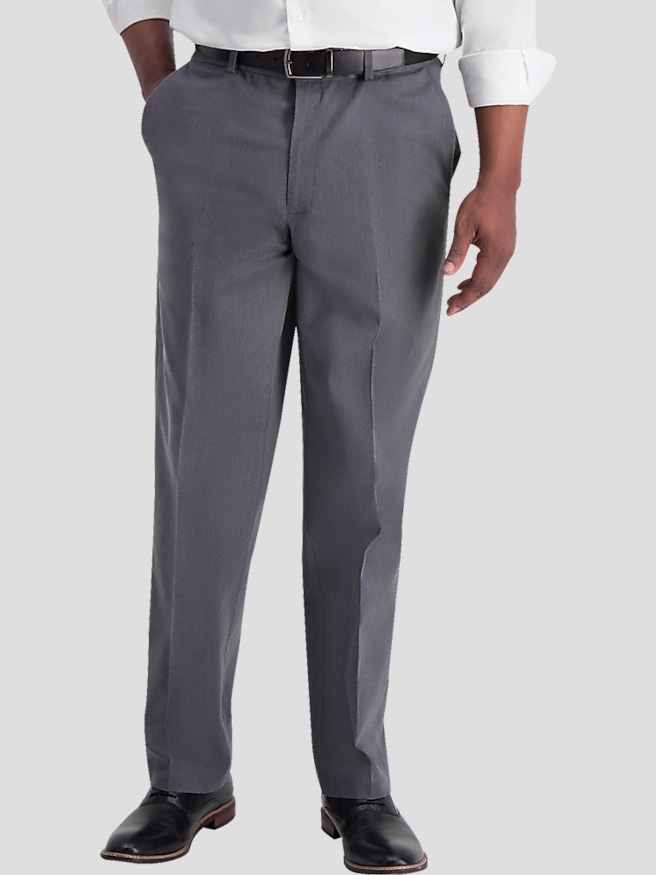
Wedding outfits should reflect the celebration, the setting and the dress code while helping you feel comfortable from the ceremony through the last dance. Start with the invitation, since wording such as black tie, formal, semi-formal, cocktail or casual offers the clearest direction. For a black-tie wedding, a classic tuxedo-inspired look with a crisp formal shirt, polished dress shoes and restrained accessories creates the refined appearance the occasion calls for. Formal weddings generally suit a well-tailored dark suit, while semi-formal and cocktail celebrations allow more flexibility with color, texture and accessories. A navy, charcoal or deep neutral suit can transition easily from an indoor ceremony to an evening reception, and a lighter neutral or softly textured option can feel natural for a daytime gathering or outdoor venue. Casual wedding attire still benefits from thoughtful coordination: a neatly pressed shirt, tailored trousers, appropriate shoes and a complementary jacket can look polished without feeling overdressed. When the invitation is not especially detailed, consider the venue and time of day as helpful clues. A grand ballroom, historic estate or evening ceremony often calls for a more formal interpretation, while a garden, barn, beach or daytime celebration may welcome breathable fabrics, softer colors and a relaxed silhouette. The goal is to look like a guest who made an effort without competing with the wedding party. Fit matters across every dress code. Shoulder seams should sit close to the natural shoulder, sleeves should show a small amount of shirt cuff, and trousers should fall cleanly over the shoe without excessive bunching. A professional alteration can make even a simple ensemble appear custom, particularly at the jacket sleeves, trouser hem and waist.
Choosing wedding attire also means thinking through the entire day rather than only the ceremony. A well-coordinated outfit should allow you to sit comfortably, move through a receiving line, pose for photographs and remain presentable after hours of conversation and dancing. During the cooler months, layering becomes especially useful for ceremonies held in drafty venues or receptions that move between indoor and outdoor spaces. A tailored jacket, vest or refined overlayer can add warmth while preserving a formal appearance, and richer shades such as navy, charcoal, burgundy, forest green and deep brown complement the season without feeling limited to one particular date. As the weather warms, lightweight construction and breathable materials can make a noticeable difference, especially for outdoor ceremonies, destination celebrations and receptions held beneath a tent. Keep the overall palette connected: if the suit is a strong color or subtle pattern, balance it with a quieter shirt and accessories; if the foundation is neutral, a tie, pocket square or other finishing detail can introduce personality. Match the level of shine across your shoes, belt and other leather accessories, and choose socks that bridge the trouser and shoe colors for a clean line. For formal celebrations, understated accessories often look most sophisticated, while a casual wedding may provide room for a more expressive pattern or texture. Guests attending as a couple can coordinate without matching exactly by sharing a color family or complementary accent. Members of the wedding party should follow the couple’s requested palette and styling details, while close family members may want to confirm expectations before choosing an outfit. For those attending multiple ceremonies, versatile wedding clothing is a practical investment: a dependable suit can be dressed up with formal accessories for an evening event or styled more simply for a daytime celebration. A dedicated Wedding Ceremony Outfit can also help bring together the pieces needed for the vows, photographs and celebration that follow.
Wedding outfits can make meaningful gifts as well, particularly for a groom, groomsman, father of the couple or guest preparing for an important celebration. Useful gift choices tend to be personal without being difficult to size, such as a tie, pocket square, dress shirt, cuff accessories, dress socks or another finishing piece that complements the recipient’s existing wardrobe. If you are helping someone build a complete look, begin with the event requirements and work outward from the main garment. The right shirt collar should sit comfortably beneath the jacket, the tie should reach approximately to the waistband, and the shoes should be broken in before the wedding rather than worn for the first time on the ceremony day. Coordinating accessories can be especially helpful for a group, allowing groomsmen or family members to share a polished detail while maintaining individual comfort and fit. Consider the recipient’s personal style, too: someone who favors timeless clothing may appreciate classic neutrals and simple patterns, while a more adventurous dresser may enjoy a richer color, distinctive texture or contemporary cut. Wedding clothing is often worn for more than one milestone, from rehearsal dinners and engagement parties to anniversaries, holiday gatherings and professional events, so quality, comfort and versatility deserve equal attention. Before purchasing, review sizing information, allow time for alterations and account for any dress-code requirements supplied by the couple or venue. With the right balance of formality, fit, seasonally appropriate fabric and personal style, wedding attire helps you look composed in every photograph and feel at ease throughout a day built around lasting memories.