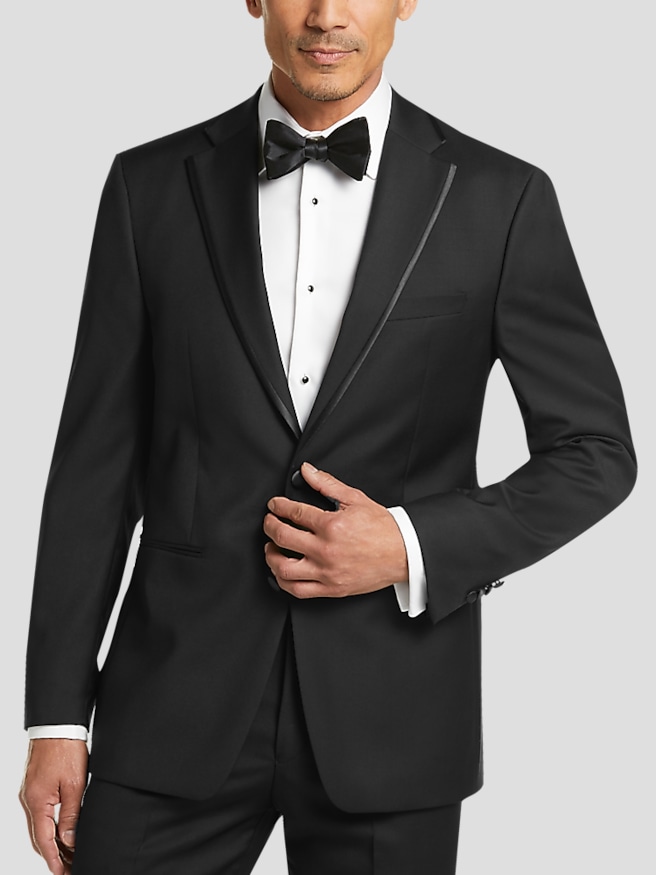
Elegant wedding outfits bring together polished tailoring, thoughtful details, and the confidence that comes from dressing appropriately for the celebration. The invitation is the best place to begin, since the stated dress code, venue, and time of day each shape the right level of formality. For a black-tie wedding, a traditional tuxedo with a formal shirt, bow tie, and refined dress shoes creates the expected evening look. A black-tie optional celebration allows the same tuxedo choice while also welcoming a dark, well-tailored suit with a conservative tie and crisp shirt. Formal weddings call for a sophisticated suit in a deep neutral or subdued pattern, while cocktail attire leaves room for a little more personality through texture, color, or a distinctive tie. When the invitation says semi-formal or dressy casual, a sharp suit or coordinated separates can offer the right balance between celebration and ease. Venue matters as well: a grand ballroom may call for smoother, darker tailoring, while a vineyard, garden, or intimate restaurant can suit softer colors and lighter layers. During the cooler months, a substantial wool-blend suit, a neatly layered dress shirt, and a polished overcoat can keep an outfit comfortable without taking away from its elegance. As the weather warms, breathable fabrics and lighter shades make it easier to remain composed from the ceremony through the reception. Browse Wedding Outfits to find versatile options for guests, grooms, wedding party members, and anyone celebrating a meaningful milestone in formal style.
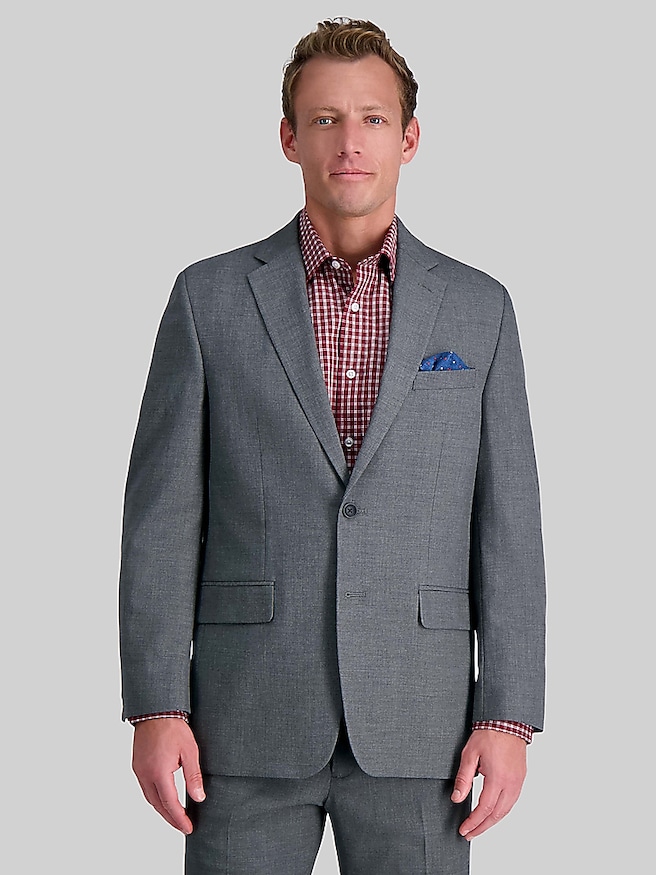
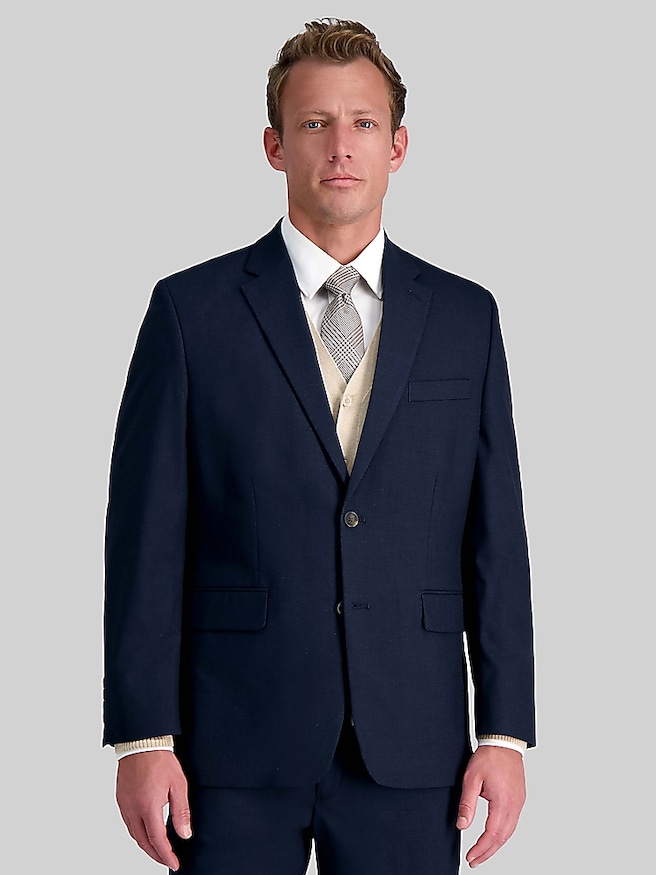
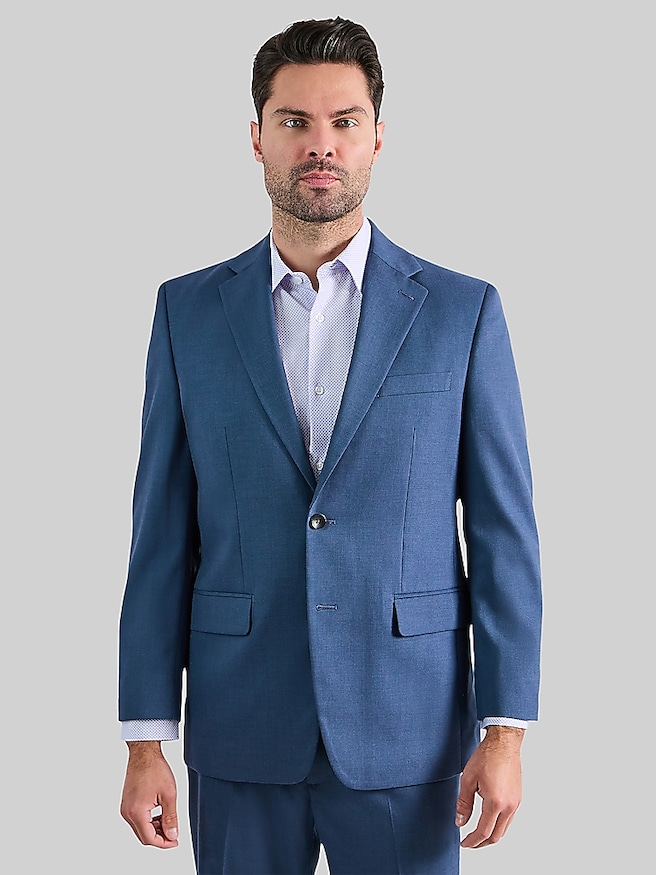
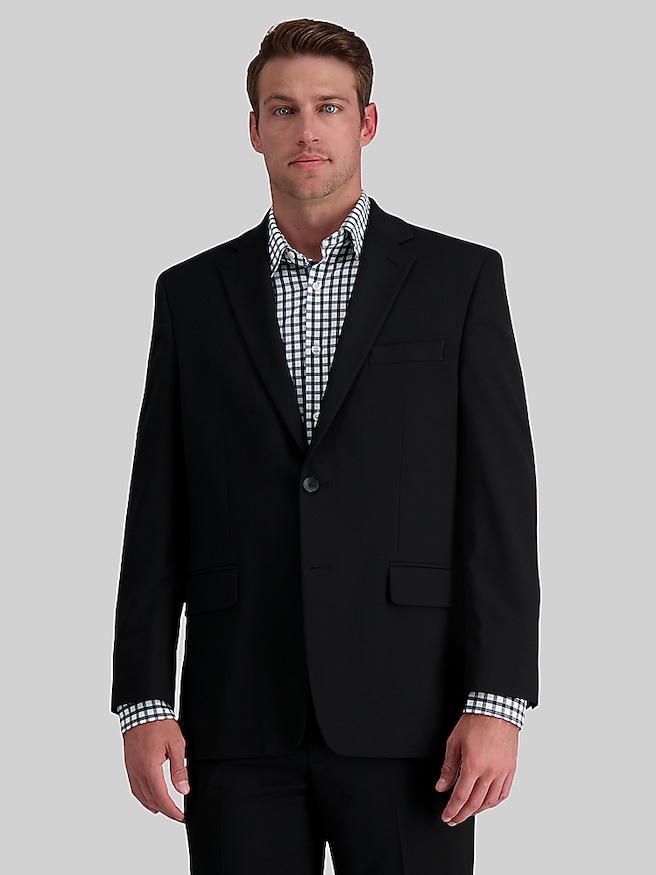
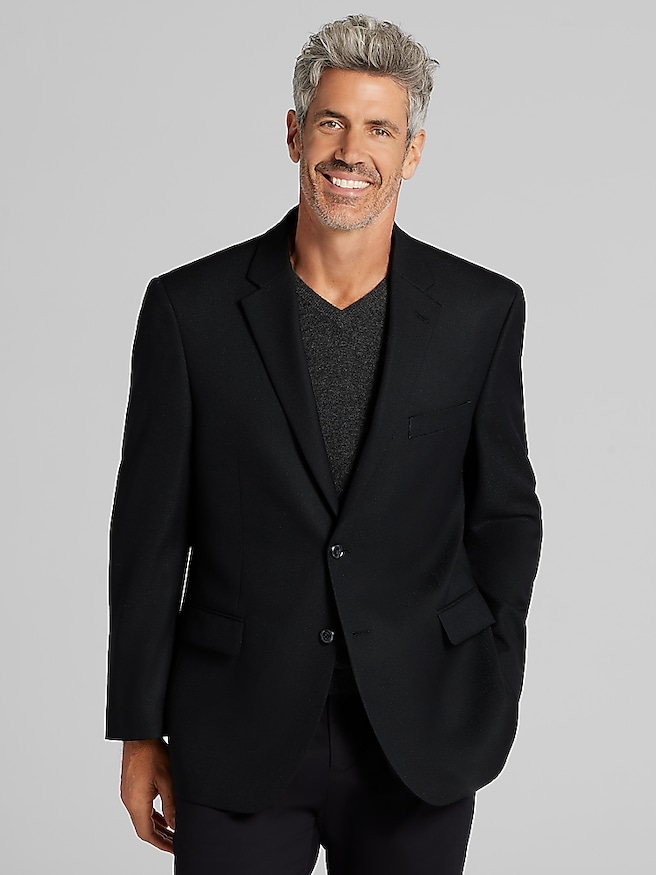
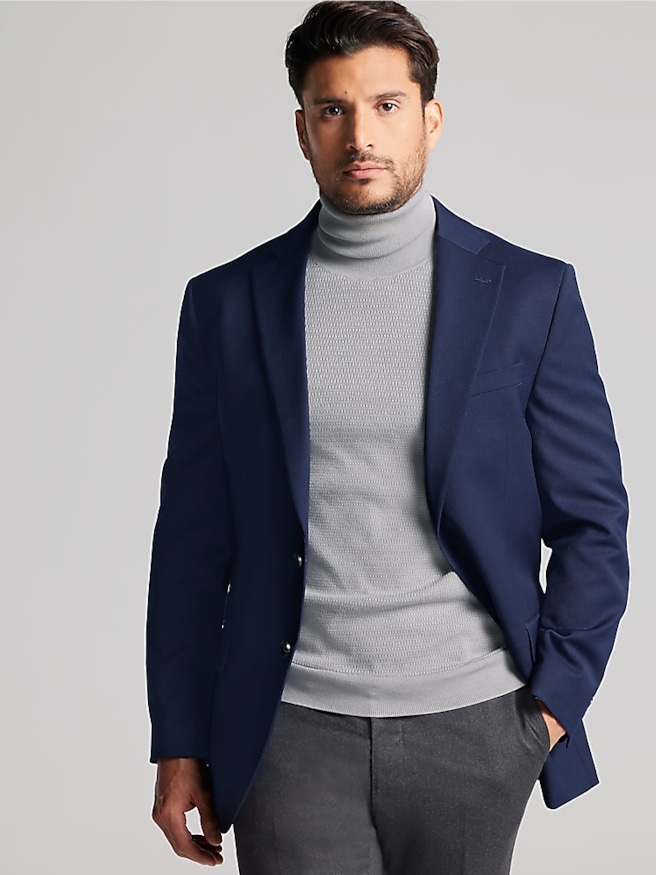
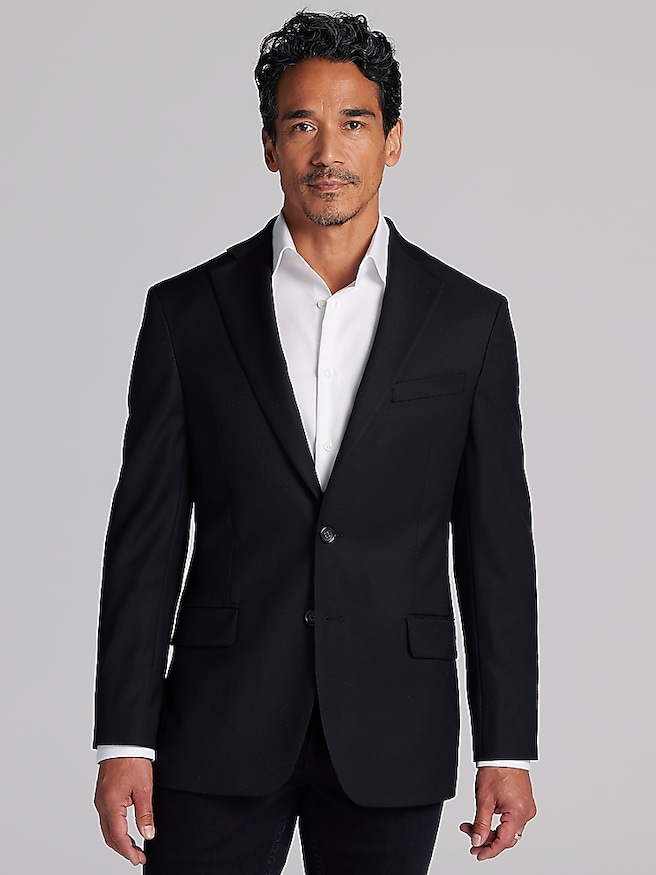
The most elegant outfit is usually the one that fits well and feels natural to wear. A jacket should lie smoothly across the shoulders, close cleanly without pulling at the buttons, and allow comfortable movement when greeting guests, sitting through the ceremony, or stepping onto the dance floor. Sleeves should reveal a small, intentional amount of shirt cuff, while trousers should fall neatly over the shoes without excessive bunching. These details may seem subtle, but they are what turn a basic outfit into a finished look. A wedding guest attending an evening ceremony might choose a charcoal, navy, or black suit with a white or pale-toned shirt and a restrained tie, then add depth with a textured pocket square or understated accessories. Someone attending a daytime celebration can consider softer neutrals, muted blue, or tasteful windowpane patterns, especially when the setting is less formal. The groom and wedding party may coordinate through matching suit colors, complementary ties, or shared accessories while still allowing each person to look comfortable and individual. For formal attendants, consistency in silhouette and color helps create a cohesive appearance in photographs; for guests, avoiding an exact match with the wedding party is a considerate way to maintain distinction. Shoes should be clean, well-kept, and suited to the occasion, with formal leather styles generally complementing dressier tailoring and more relaxed choices working best with less traditional settings. A final fitting is especially valuable before a wedding, since small alterations can improve the drape of a jacket or the break of a trouser. Many memorable wedding looks come down to these finishing adjustments: the jacket that no longer rides up when seated, the trouser hem that falls just right, and the shirt collar that stays crisp through hours of conversation.
Elegant wedding attire can also be a practical gift for a man entering a new stage of life or building a more complete wardrobe. A well-chosen suit or tuxedo can serve beyond one ceremony, appearing at formal dinners, professional events, anniversary celebrations, and other occasions that call for confidence and polish. When selecting attire as a gift, consider his typical style, preferred fit, and the kinds of events he is likely to attend rather than choosing solely by color. Classic neutral tailoring offers the greatest versatility, while a subtle pattern or refined seasonal shade can bring personality to a wardrobe that already includes traditional essentials. Accessories make thoughtful gifts when the recipient has an established formal wardrobe, particularly when they reflect his everyday preferences and can be worn together or separately. It is also helpful to account for travel and comfort: wrinkle-resistant fabrics, breathable construction, and layers that can adapt from a cool ceremony to a lively reception are valuable for destination weddings and celebrations held during changing weather. Before purchasing, confirm the dress code, ceremony setting, expected level of coordination, and available time for alterations. A polished wedding outfit should support the occasion rather than compete with it, allowing the wearer to move easily, greet family and friends, and remain at ease in photographs that may be treasured for years. With careful attention to formality, fit, fabric, and finishing details, wedding attire becomes more than something reserved for a single event; it becomes a dependable part of a well-rounded wardrobe.