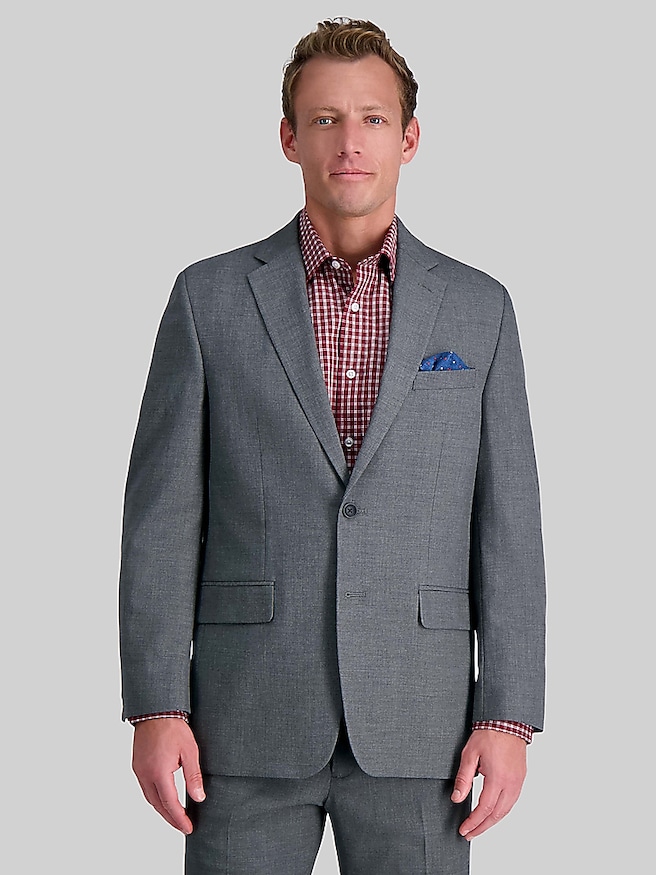
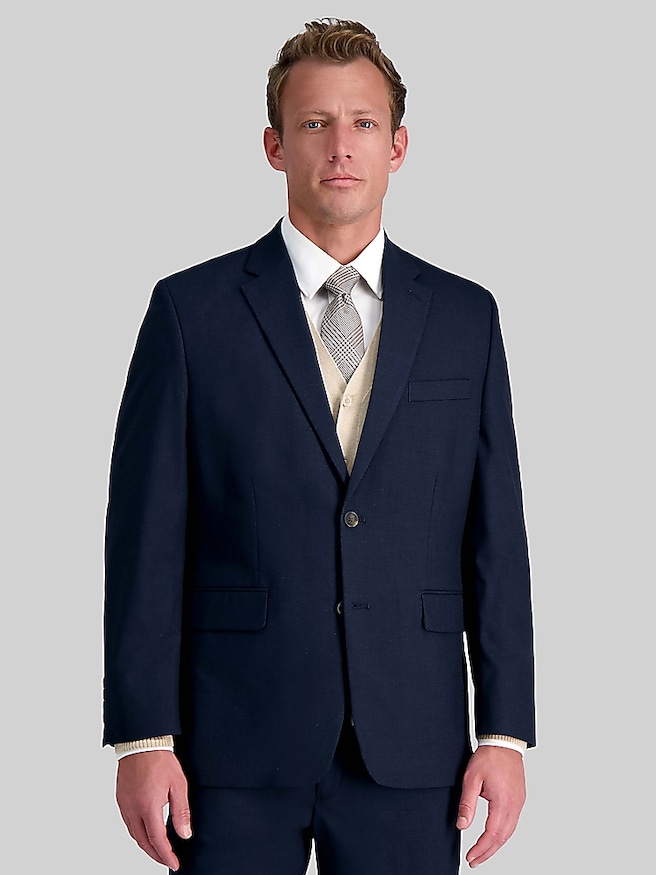
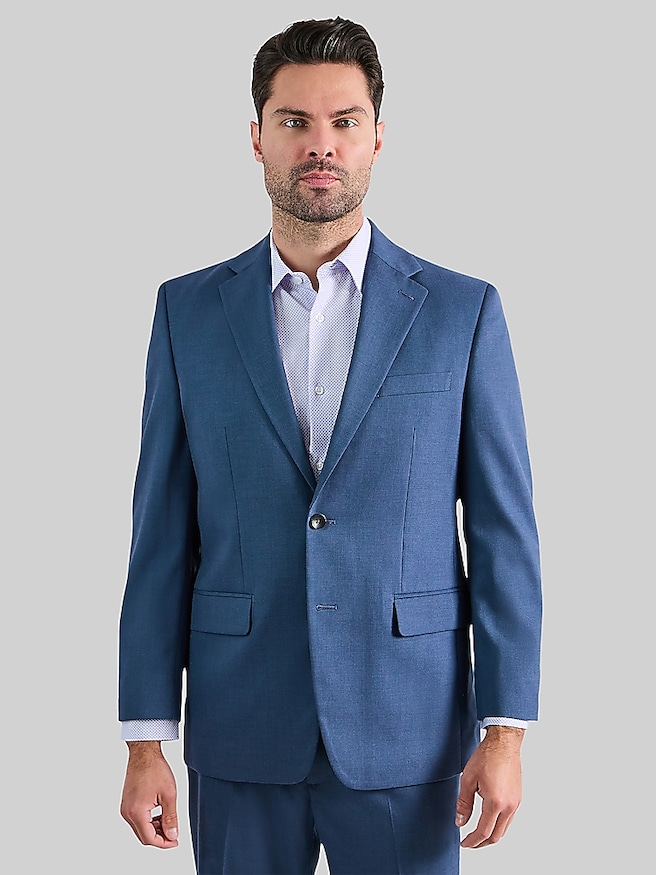
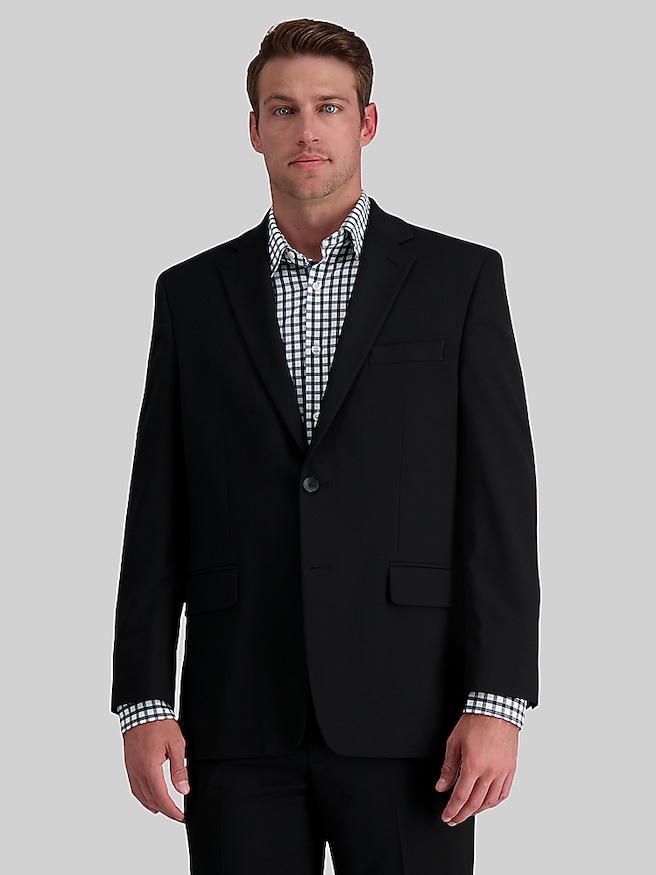
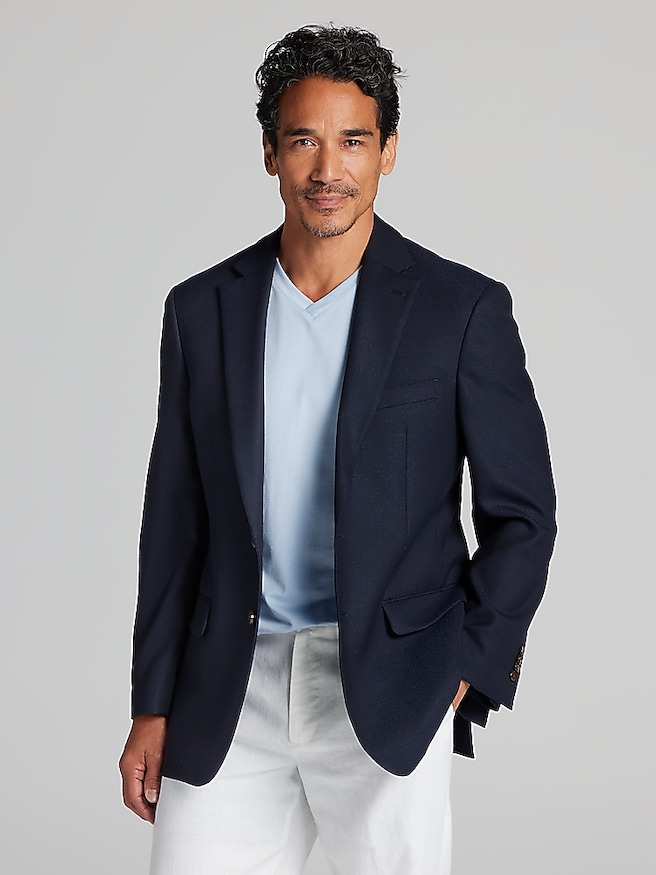
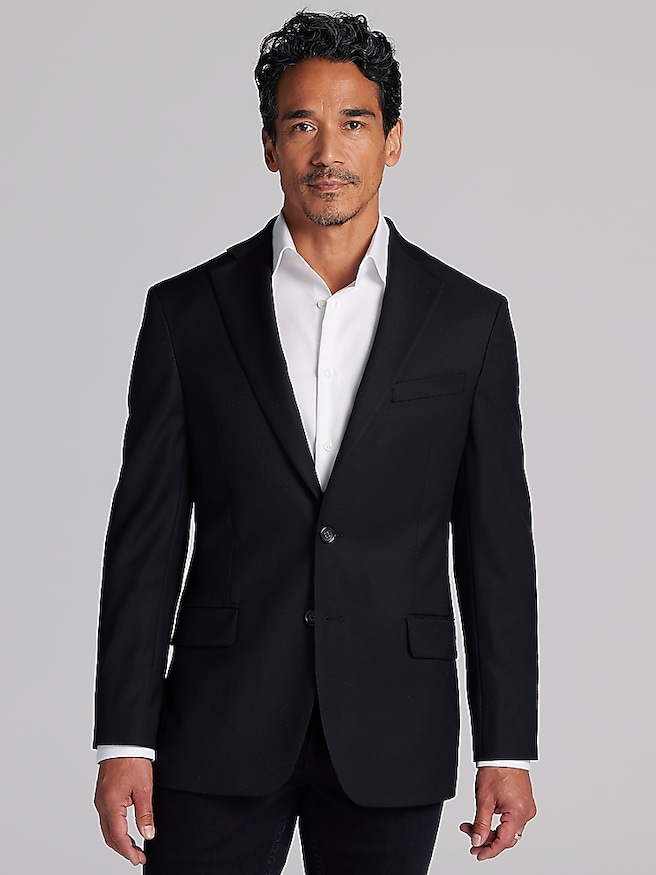
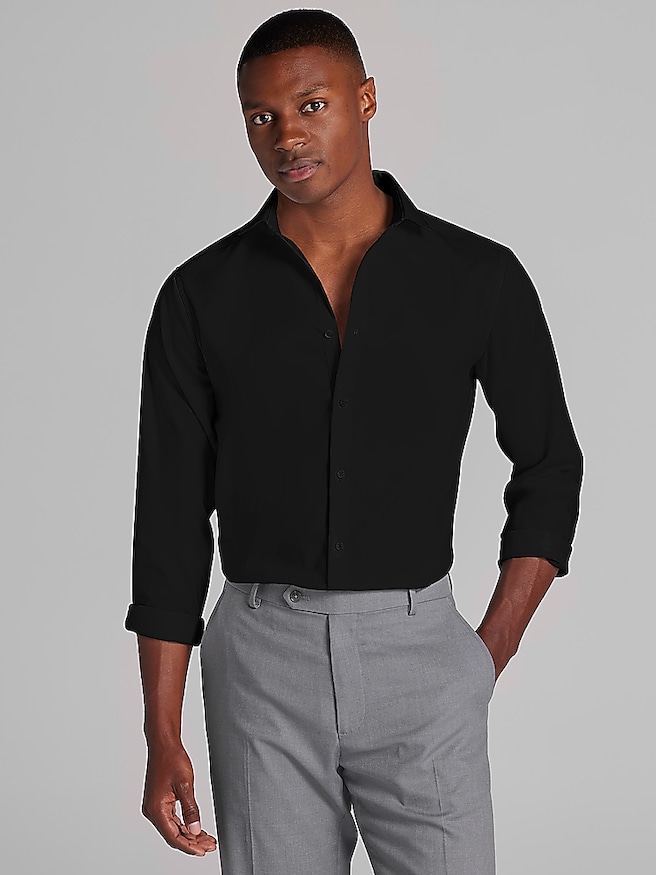
Elegant dinner outfits bring together clean tailoring, balanced proportions, and thoughtful finishing touches for an evening that calls for more than everyday casual clothing. For men, that often means a well-fitting suit or a sport coat with dress trousers, grounded by a crisp shirt and polished leather shoes. The right level of formality depends on the setting: an anniversary at a fine-dining restaurant, a business dinner with clients, and a black-tie banquet each carry their own expectations. A navy or charcoal suit has the versatility to look composed across many dressier settings, while a textured jacket and contrasting trousers offer a less formal interpretation without losing polish. Black-tie invitations generally call for a tuxedo, a formal shirt, and a bow tie rather than an ordinary business suit. Within those boundaries, color and texture give an outfit its personality. A white shirt creates a sharp contrast beneath dark tailoring; pale blue softens the effect while remaining refined. Burgundy, deep green, and muted metallic accents can add depth through a tie or pocket square without competing with the rest of the outfit. A restrained palette also makes individual pieces easier to combine, particularly when dressing for an evening that begins with a reception and continues over several courses. Elegance is not necessarily about adding more. A jacket with a graceful lapel, trousers that fall cleanly, and shoes with a cared-for finish can make a stronger impression than several statement accessories worn together. Under restaurant lighting, subtle fabric texture often supplies all the visual interest an outfit needs. Fine herringbone, a discreet woven pattern, or the soft sheen of a silk tie can register beautifully at close range. These are clothes intended to look considered across the table and feel natural in conversation, with enough ease for sitting through dinner, standing for introductions, and moving comfortably through a busy dining room.
Fabric and fit shape that experience as much as color does. Wool suiting is valued for its drape, resilience, and ability to release minor wrinkles, making it a useful foundation for evenings that involve extended sitting. Worsted wool generally has a smooth, defined appearance, while more visibly textured weaves give tailored separates a relaxed character. Wool blends vary in feel and performance according to their fiber content and construction; a small amount of stretch may add ease, but it does not replace a well-proportioned cut. Cotton dress shirts offer a familiar, breathable feel, with smooth poplin lending a crisp look and twill providing subtle diagonal texture. Fine-gauge knitwear can work beneath a jacket at a restaurant with a relaxed dress code, although a collared dress shirt remains the more traditional choice for formal dining. The most convincing fit looks comfortable before any accessories are added. Jacket shoulders should sit close to the natural shoulder line, and the front should close without pronounced pulling across the middle. A collar that rests neatly against the shirt helps the entire silhouette look settled rather than strained. Sleeve length matters, too: a small glimpse of shirt cuff gives the jacket a finished edge without making the sleeves appear short. Trousers need enough room through the seat and thighs to remain comfortable at the table, with a waistband that stays in place without being pulled tight by a belt. At the hem, a slight break offers a traditional finish, while little or no break creates a cleaner, more streamlined line. Slim, tailored, and classic fits describe broad silhouettes, not a ranking of elegance; the strongest choice follows the wearer's proportions and allows easy movement. Alterations can refine sleeve length, trouser length, and waist shaping, but starting with a sound fit through the shoulders and torso is especially important. For someone who moves directly from the office to a dinner reservation, versatile tailoring and a fresh shirt can carry the occasion without requiring an entirely separate wardrobe.
Finishing details give elegant dinner attire coherence, especially when the larger pieces are simple. Smooth leather lace-ups lean formal, while refined loafers can complement tailored separates in less traditional settings. Shoe shape and trouser width should feel balanced, and footwear needs to be comfortable enough for the walk from the entrance to the table as well as time spent standing before dinner. A leather belt in a similar color family to the shoes creates continuity when the trousers have belt loops; formal trousers designed for suspenders or side adjusters have their own clean finish. Dress socks that relate to the trousers help maintain an uninterrupted line when seated. Ties and pocket squares offer room for personal taste, but they need not match exactly. A shared accent color or a contrast in pattern scale usually looks more thoughtful than repeating the same print. Watches and cuff links can supply a quiet focal point, particularly when other accessories stay understated. These smaller finishing pieces can also make meaningful gifts for a partner, father, son, or close friend who enjoys dressing for special evenings, provided the choice reflects how that person actually dresses. For gatherings with a more celebratory dress code, Elegant Holiday Outfits offers a related direction for occasion dressing. Lasting appeal, however, depends as much on care as styling. Garment labels provide the clearest instructions for cleaning and pressing, since linings, trims, and fabric blends can require distinct treatment. Structured jackets benefit from supportive hangers and space to air after wear, while trousers retain a neater line when hung carefully rather than folded over a chair. Gentle brushing can remove surface dust from suitable wool fabrics, and prompt professional attention to stains can help protect a tailored garment's finish. Shirts look sharper with properly cared-for collars and cuffs, and leather shoes benefit from appropriate cleaning and conditioning. Sound seams, secure buttons, smooth linings, and fabric that recovers after wear all contribute to durability. Together, these qualities make dinner clothing feel less like a costume for one reservation and more like a dependable part of a considered wardrobe.