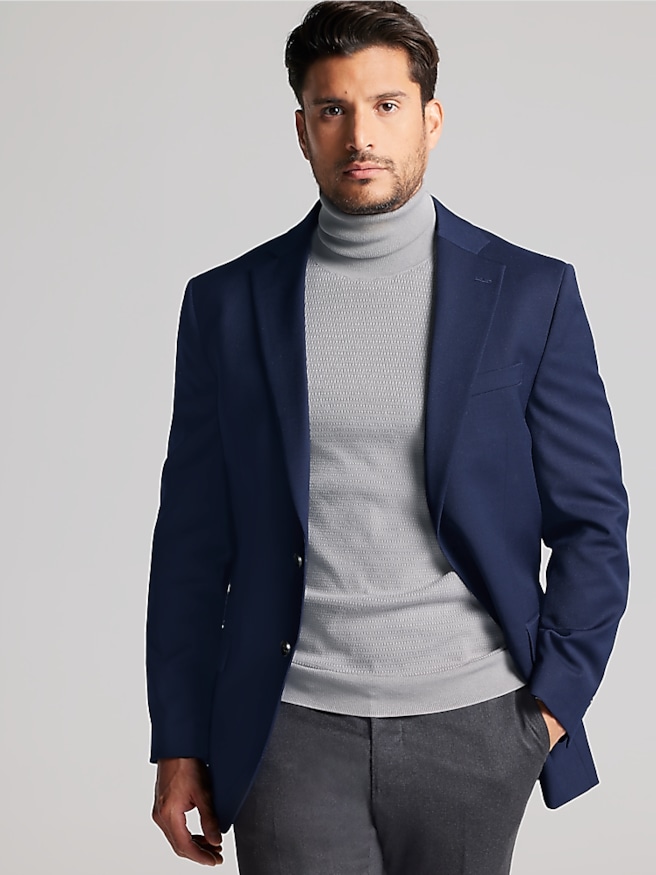
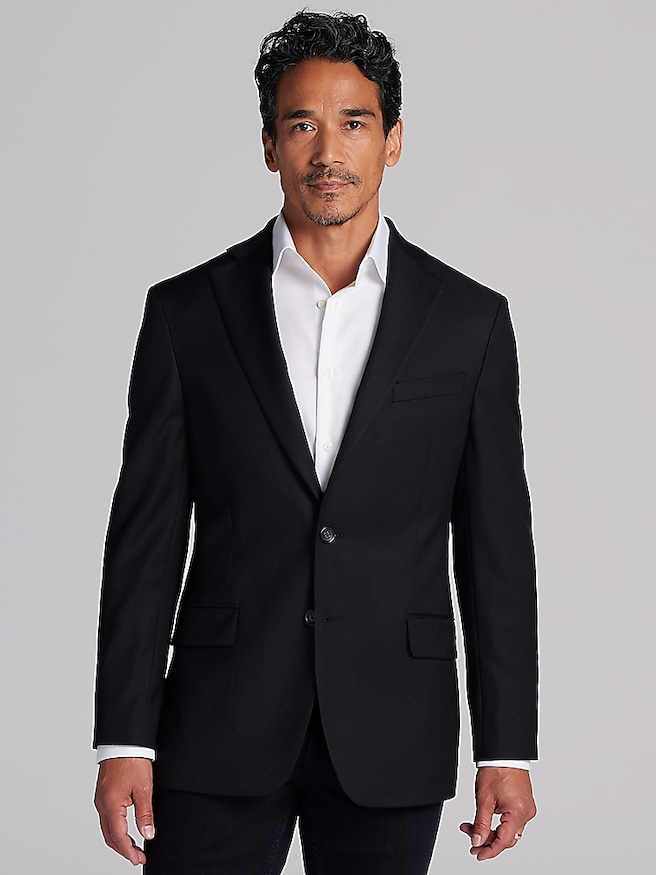
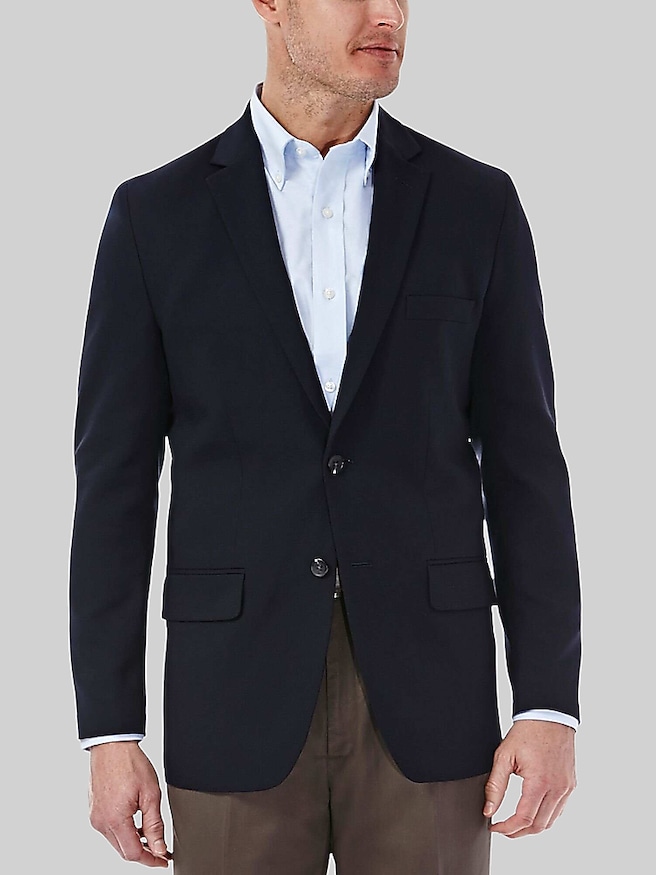
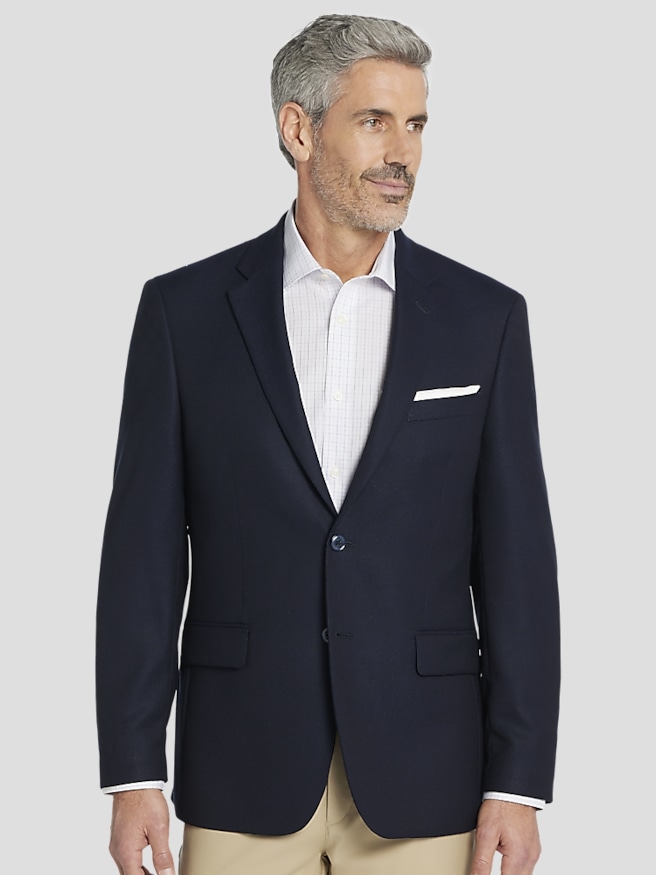
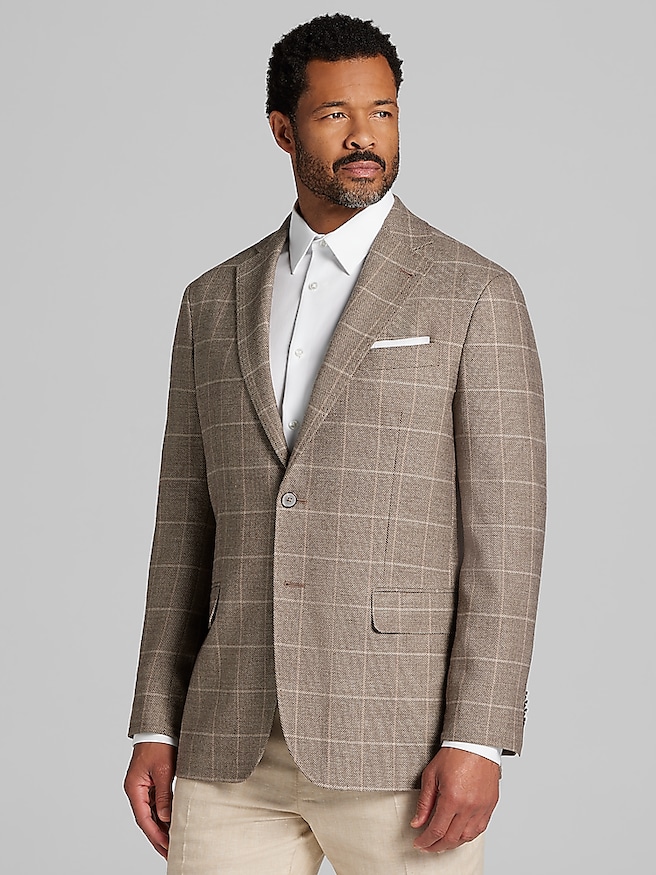
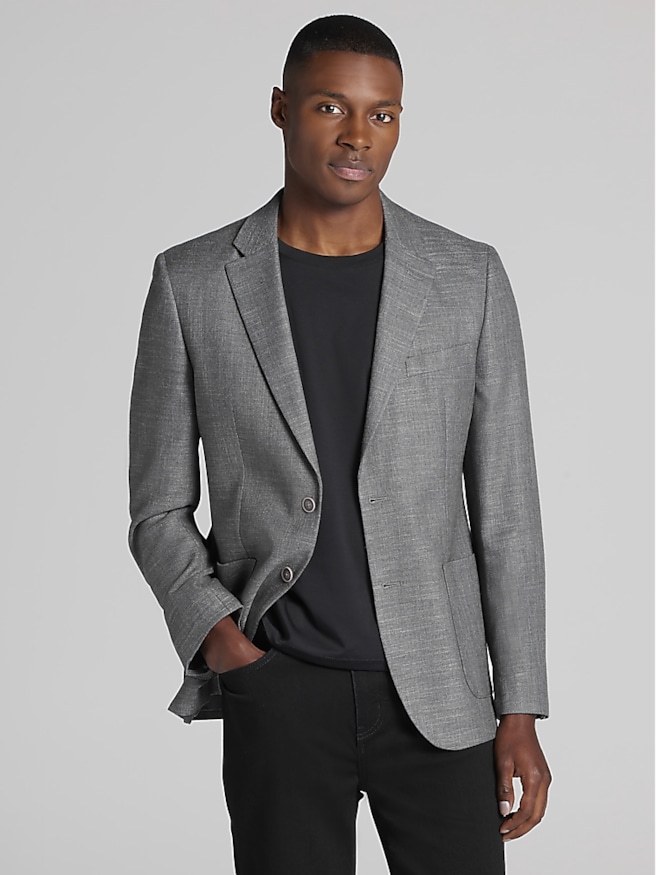
Unlined sport coats for rehearsal dinners offer a polished alternative to a full suit when the invitation calls for dressy-casual attire or tailored separates. They bring definition to a collared shirt and trousers without making the outfit feel like a repeat of the wedding-day look. For a groom greeting relatives over dinner, a father giving a toast, or a guest catching up with the wedding party, that balance can feel right: dressed for an important occasion, but comfortable enough to settle into the conversation. An unlined sport coat generally leaves most of the jacket body without a separate lining, although the sleeves or shoulders may still include lining to help the garment slide on smoothly. That construction can reduce bulk and let the outer fabric drape more naturally. It does not automatically mean the jacket is unstructured; shoulder padding, chest construction, fabric, and cut all influence how relaxed or defined it looks. A softly shaped coat can complement a restaurant gathering or a dinner at a family home, while a jacket with a cleaner shoulder line may feel more at home in a private dining room. The invitation and venue remain the best context for the level of formality. An unlined sport coat is not a substitute for a tuxedo when black tie is requested, and some rehearsal dinners call for a full suit. Where separates fit the occasion, navy, charcoal, brown, and muted blue offer useful starting points, with subtle checks or textured solids adding interest without drawing attention away from the celebration. A white or pale blue shirt keeps the combination crisp, while a fine-gauge knit or an open collar can soften the overall effect when the dress code allows. With tailored trousers and well-kept leather shoes, the result feels intentional without competing with the more formal clothing reserved for the ceremony.
Fabric gives an unlined jacket much of its character because there is less lining between the wearer and the outer cloth. Wool can offer a fluid drape, useful resilience, and a refined surface that works well with dress trousers. Hopsack and other open weaves introduce visible texture, while a finer, smoother weave produces a more understated finish. Cotton often has a drier hand and a slightly more casual appearance; linen brings a distinct texture and natural creasing that becomes part of its character. Blends can balance those qualities, though the fiber percentages and fabric construction matter more than the blend name alone. Knit sport coats may provide a softer feel and more give than woven styles, but an unlined jacket is not necessarily a knit, and not every knit jacket has the same degree of stretch. For a rehearsal dinner that moves from standing introductions to a seated meal and group photographs, ease through the shoulders, upper arms, and back deserves as much attention as the fabric. Shoulder seams should sit close to the natural shoulder, and the collar should rest against the shirt rather than pull away. When the jacket is buttoned while standing, the front should lie reasonably smooth without pronounced pulling around the button. A close fit can look sharp, but excess tension often creates wrinkles that distract from the clean lines of the coat. Sleeve length should allow a little shirt cuff to show with a long-sleeve dress shirt, and the jacket should have enough length to balance the torso rather than look abruptly cropped. Slim, tailored, and classic fits describe general silhouettes, not identical measurements across every design. Someone with broader shoulders may need more upper-body room even if the waist requires adjustment. Because the inside of an unlined coat is more exposed, neatly bound seams, tidy stitching, and a smooth interior finish are worth noticing. Those details contribute to comfort and help the garment look considered when it is draped over a chair between the meal and the speeches.
The strongest rehearsal-dinner combinations give each piece a clear role. A textured navy coat over a simple shirt can anchor lighter or medium-gray trousers, while a brown or softly patterned jacket can work with solid trousers that pick up one quiet tone in the fabric. Contrast helps the separates look deliberate; two nearly matching fabrics can suggest a suit whose pieces do not quite belong together. A tie adds definition for a more dressed-up gathering, while an open collar keeps the neckline easy without losing the jacket’s tailored shape. Pocket squares work best as an accent rather than an exact duplicate of the tie, and polished loafers, derbies, or oxfords can reinforce the level of formality. The versatility associated with Business Casual Sport Coats also makes this type of tailoring useful beyond the wedding weekend, from an anniversary dinner to an office reception. That broader role can make an unlined coat a thoughtful gift for a groom, a father, or someone who regularly attends celebrations, provided the recipient’s measurements and preferences are known. For lasting wear, fabric strength, sound stitching, and a fit that does not strain at the seams matter more than the absence of a lining alone. An unlined construction is not inherently less durable, though exposed interior seams benefit from careful handling. Care should follow the garment label, especially with mixed fibers, textured weaves, or knit construction. Machine washing is appropriate only when the label permits it; professional cleaning may be required for others. Between cleanings, a suitable clothing brush can remove surface dust when the fabric allows, and a broad, shaped hanger helps support the shoulders. Giving the coat space in the closet helps prevent crushed lapels and unnecessary creasing. After dinner, checking for spills before putting it away can keep a small mark from becoming harder to address. With the right fit and appropriate care, an unlined sport coat can remain a dependable part of a wardrobe long after the final toast.