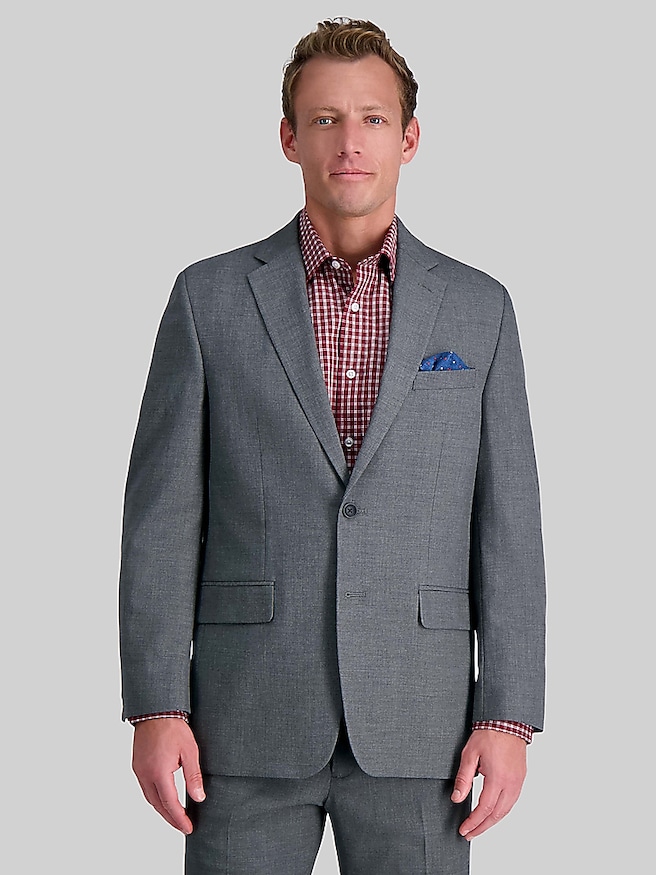
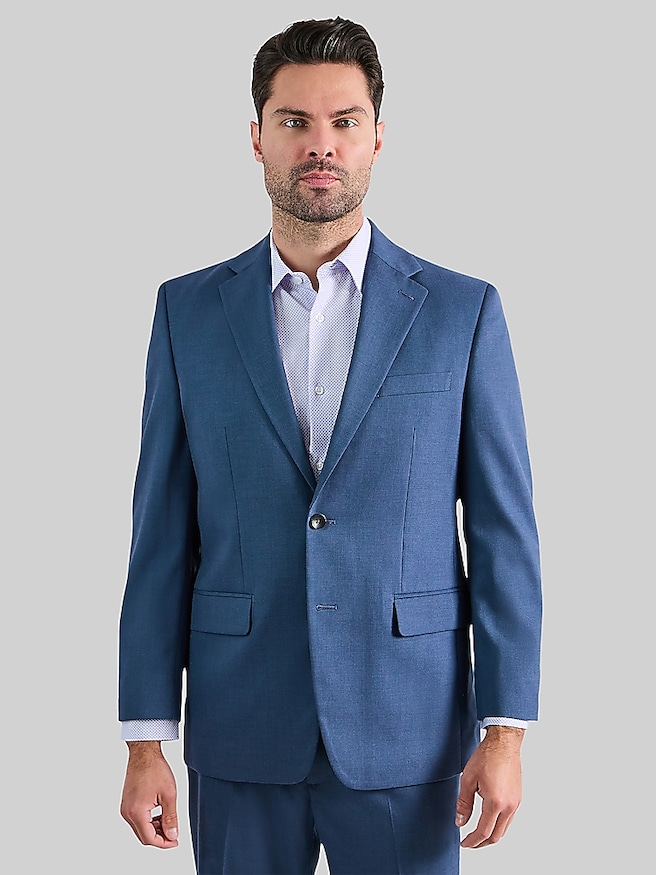
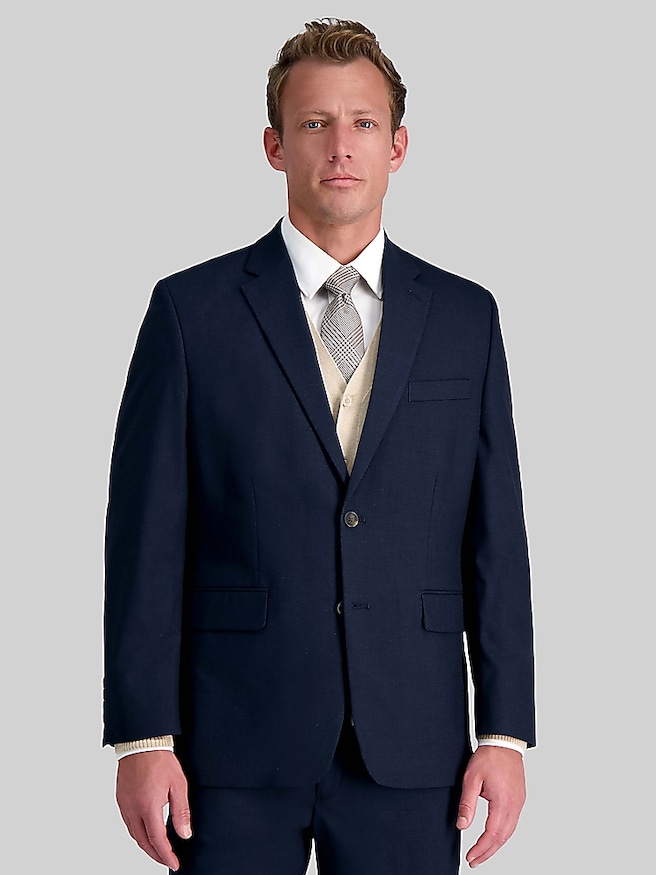
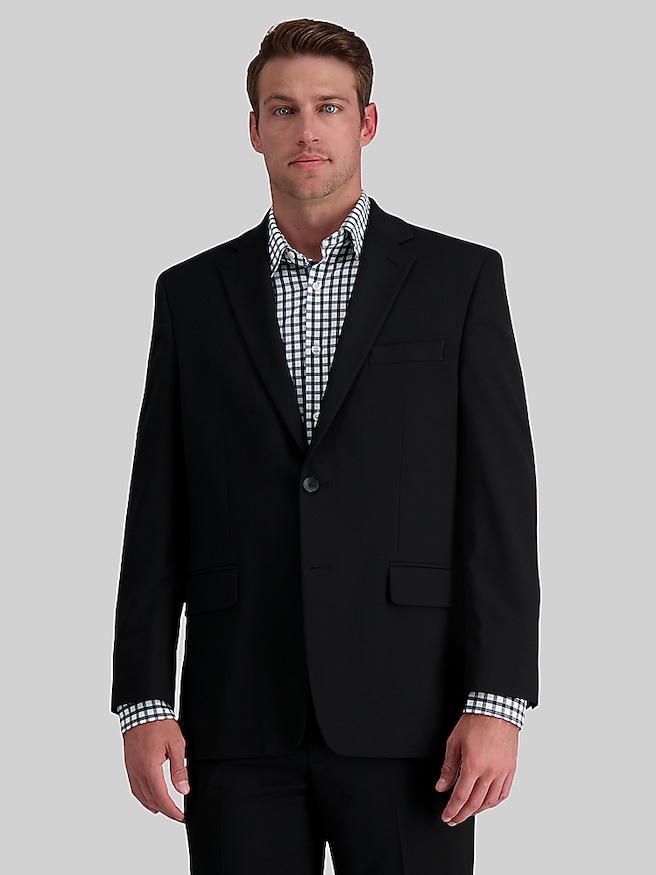
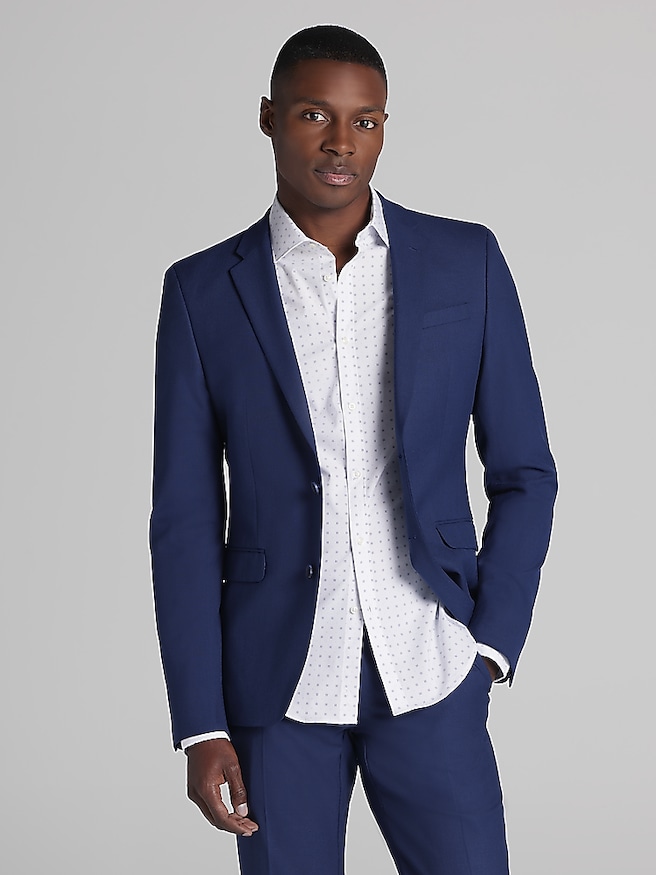
Wedding attire shopping brings together the dress code, the setting, and the role each person plays in the celebration. For grooms, groomsmen, fathers of the couple, and guests, the right clothing feels appropriate for the ceremony and comfortable enough for everything that follows. A formal evening in a ballroom calls for a more structured look than an afternoon gathering in a garden, while a ceremony in a place of worship may come with expectations around coverage or traditional dress. The invitation provides the clearest starting point: black tie typically means a tuxedo, black tie optional allows a dark suit as an alternative, and cocktail attire generally calls for a tailored suit rather than casual separates. Venue and timing add context without replacing the stated dress code. Dark, smooth fabrics have a refined presence under evening lighting, while softer textures can feel at home against wood beams, stone fireplaces, or an outdoor landscape. During the cooler months, a tailored outer layer helps carry that finished appearance from the arrival photos to the trip home. Color also shapes the overall impression. Navy and charcoal offer versatile foundations, black has a distinct place in formal eveningwear, and restrained earth tones can complement a less formal setting when the invitation allows them. For wedding party clothing, coordination is about more than choosing the same color name; fabric texture, undertone, and level of formality all influence how a group looks together in photographs. Guests have more room for individual expression, provided the result respects the occasion and does not compete with the couple’s chosen look. The Wedding Attendee Attire collection offers a focused place to explore clothing for that supporting role. Across these occasions, a cohesive outfit gives each element a purpose, from the jacket’s silhouette to the finish of the shoes, without making the clothing feel like a costume. The goal is a polished appearance that still feels natural during a handshake, a family portrait, or a turn on the dance floor.
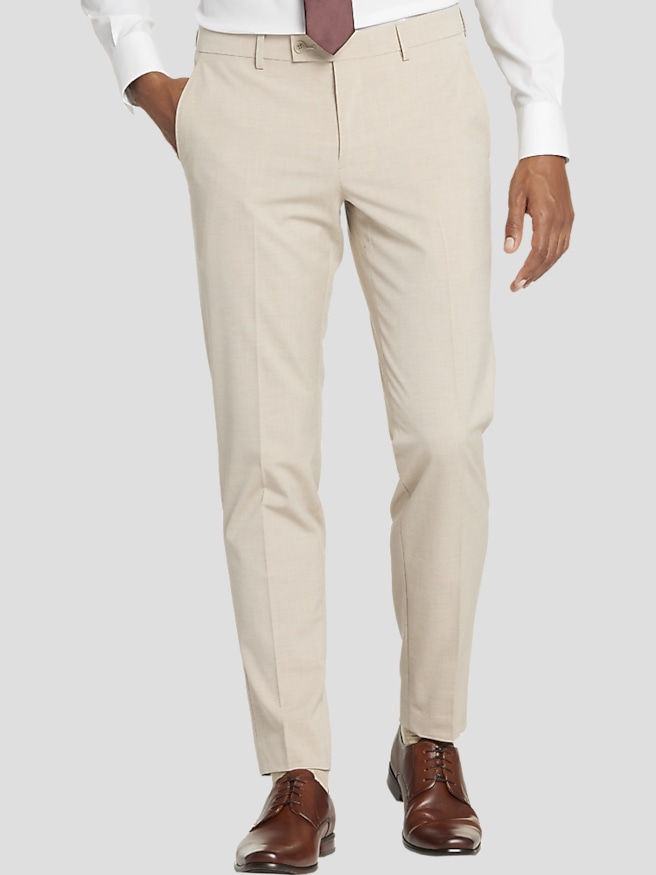
Fabric and construction make a noticeable difference over the course of a wedding day. Wool is a classic tailoring material because it drapes cleanly, breathes, and often recovers well from light creasing; its weight and weave determine whether it feels airy or substantial. Worsted wool typically has a smoother surface suited to polished formal looks, while flannel brings a softer texture that can work especially well for cooler-weather celebrations with a less ceremonial dress code. Wool blends vary widely, so fiber content and fabric feel matter more than the blend label alone. Stretch can add ease when sitting or moving, but it does not replace a sound fit. Linen and cotton offer distinct textures for relaxed settings, although linen’s visible creasing is part of its character rather than a flaw. Lining, seam finishing, and the way a jacket holds its shape contribute to comfort and durability alongside the outer fabric. A well-fitting jacket rests neatly at the shoulders, lies smoothly across the upper back, and closes without pulling into sharp lines around the button. Sleeves should allow a small amount of shirt cuff to show, while trousers should sit securely at the intended waist position and fall cleanly through the leg. Slim, tailored, and classic silhouettes describe proportions, not levels of formality, and the most flattering choice leaves enough room for the wearer’s build and movement. Someone who spends the ceremony standing beside the couple may notice tight shoulders first; someone seated through a long dinner may be more aware of the waistband and thigh. Trying the complete outfit while standing, sitting, and reaching forward reveals issues a mirror alone can miss. Footwear matters to trouser length, so a fitting is most useful with the shoes intended for the celebration. Leaving time for alterations and a final try-on helps account for sleeve adjustments, hems, and small changes in fit before the clothing needs to perform through hours of greetings, photographs, dinner, and dancing.
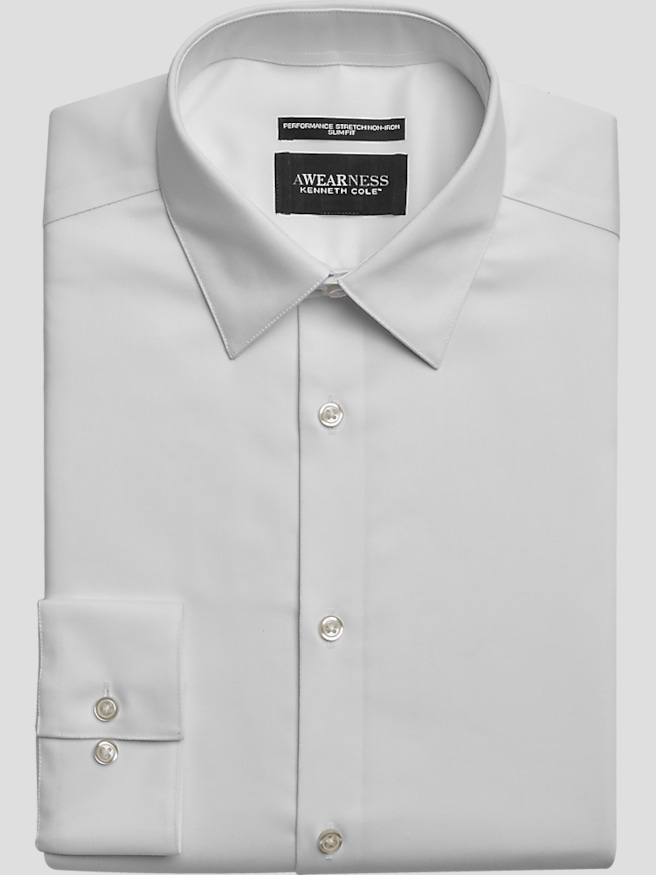
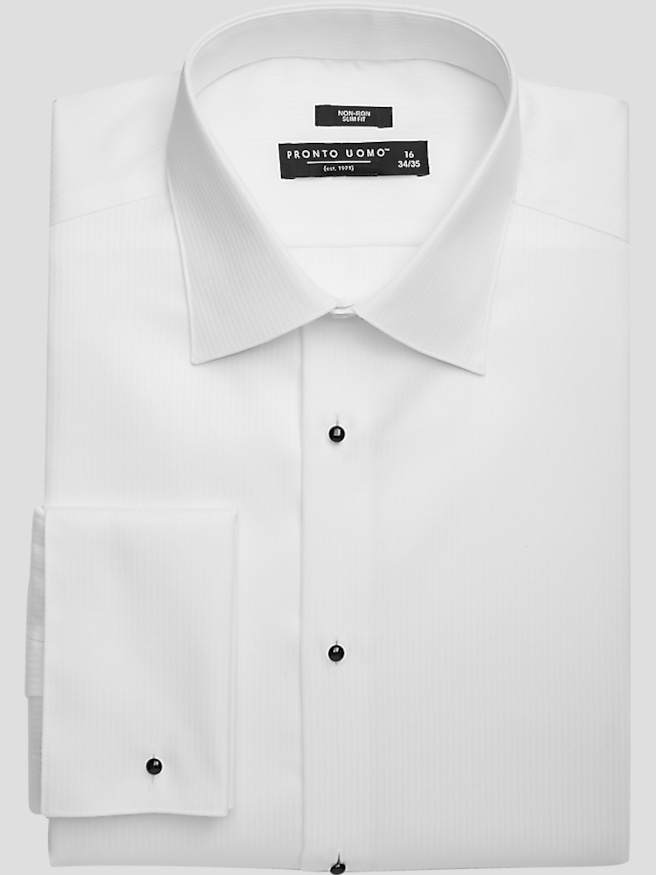
Finishing pieces give wedding clothing its sense of completeness, but restraint usually makes the strongest impression. A crisp shirt frames the face, an appropriately scaled tie balances the jacket lapels, and a pocket square can introduce texture without repeating every color exactly. Formal accessories should follow the expectations of the dress code, while less formal celebrations leave more latitude for subtle patterns and personal touches. Shoes need to suit both the outfit and the day’s surroundings: sleek dress footwear complements a refined silhouette, but secure footing also matters on garden paths, uneven stone, and polished dance floors. Socks that maintain coverage when seated, comfortable shirt collars, and waistbands that stay in place are small details with an outsized effect on how relaxed a person looks. For a groom or wedding party member, wearing the full ensemble ahead of the event makes it easier to notice a slipping collar, an awkward cuff, or a layer that feels too warm indoors. Accessories can also make thoughtful gifts for attendants or family members when chosen around the agreed clothing and the recipient’s taste, particularly if they remain useful beyond one celebration. Long-term usefulness is worth considering throughout wedding attire shopping. A versatile suit can return for another ceremony, an anniversary dinner, or a professional occasion, while more formal clothing serves events with a specific dress standard. Care helps preserve that usefulness. Garment labels should guide cleaning, pressing, and storage, since fabrics, linings, and decorative finishes may require distinct treatment. Airing clothing after wear, brushing away surface dust with an appropriate garment brush, and using a supportive hanger can help maintain its appearance between cleanings. Trousers benefit from careful hanging, and clothing should be dry before storage. For travel, a garment bag and thoughtful packing reduce unnecessary friction and crushing; any steaming or pressing should follow the care instructions. These practical details keep the focus where it belongs: clothing that looks considered in photographs, feels comfortable through the celebration, and remains ready for meaningful occasions ahead.